REVIEW · MIAMI
Frost Science Museum Admission Tickets
Book on Viator →Operated by Phillip and Patricia Frost Museum of Science · Bookable on Viator
A shark tank in downtown Miami beats most plans. Frost Science is a big, modern science stop at Maurice A. Ferré Park on the waterfront, where planetarium shows and a four-level aquarium pull you in fast. The building is part museum, part science playground, and it’s set up so families and adults can move at their own pace.
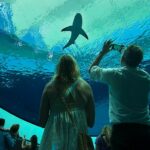
I like the up-close aquarium moments most—especially the chance to see hammerhead sharks and even touch a stingray. I also like that your ticket includes one planetarium show (subject to availability), so you’re guaranteed at least one big “wow” moment without planning ahead for extras.
One consideration: roof access can be limited on some days, so don’t build your whole trip around getting to every viewpoint.
In This Review
- Key things to know before you go
- Frost Science Miami: a full science day in one building
- Price and value: is $29.95 a good deal?
- Getting in smoothly: start time, mobile tickets, and third-party rules
- Stop 1: Phillip and Patricia Frost Museum of Science highlights that actually stick
- The aquarium levels: tanks you remember
- Interactive science areas: more than just watching
- Birds and other unexpected favorites
- Planetarium show + interactive space experiences: how to plan your indoor time
- If you want the best variety, do show + aquarium in the right order
- Virtual reality and immersive ocean viewpoints (when available)
- Layout tips: how to avoid missing key areas
- A good 2–3 hour plan for most people
- Who this is best for (and who might find it slower)
- Downsides to plan for: roof access, parking, and app hiccups
- Roof access can be limited
- Navigation can slow you down
- Parking is an extra cost
- Mobile ticket tech can fail
- Should you book Frost Science admission tickets?
- FAQ
- What does the Frost Science admission ticket include?
- How long should I plan to spend at Frost Science?
- What time does entry start?
- Is food included with the ticket?
- Do I need to worry about ticket language?
- Are service animals allowed?
- Can I get a refund or change my ticket if plans change?
Key things to know before you go
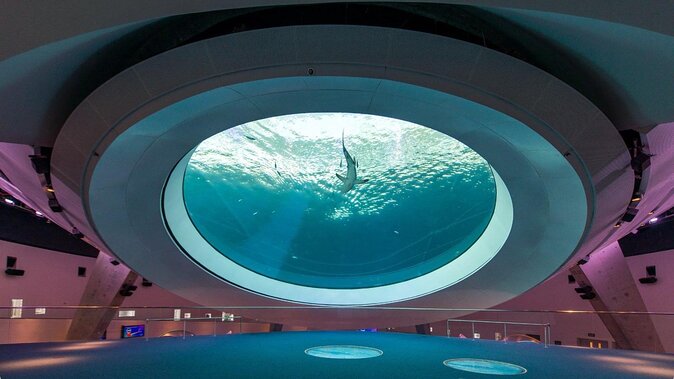
- Four-level aquarium focus: You’ll move through freshwater and marine life exhibits, including major predators.
- One planetarium show included: You get a scheduled show based on what’s available that day.
- Hands-on science and interactive stations: Expect activities beyond just looking at tanks.
- Plan for a simple backup for tickets: If an app doesn’t cooperate, you may need to show proof at the counter.
- Parking can add up: Budget extra time and money if you’re driving.
- Layout may take a minute to figure out: A top-to-bottom route can help you not miss key areas.
Frost Science Miami: a full science day in one building
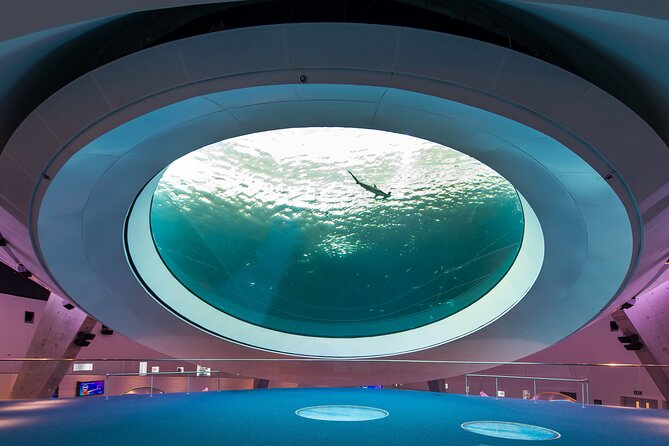
Frost Science is the kind of place where you can feel the “everything under one roof” logic working. In the same visit you’ll see a museum vibe, a serious aquarium, and a planetarium experience—so if Miami weather turns hot or sticky, you’re not stuck outside.
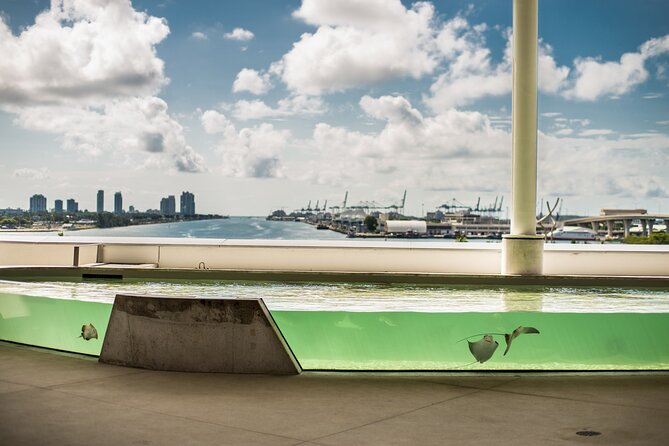
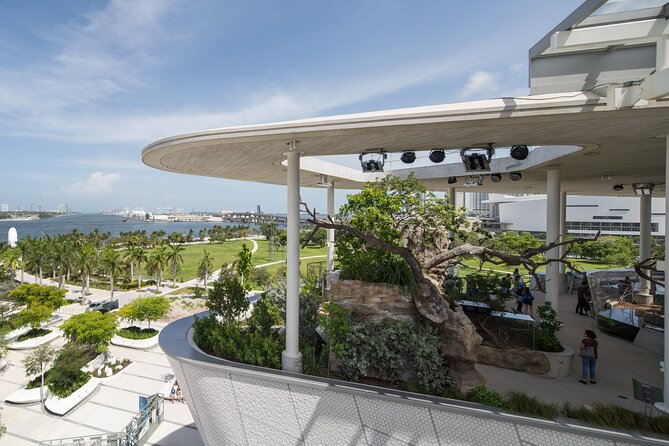
The setting also matters. It’s located in Downtown Miami’s waterfront Maurice A. Ferré Park, which makes it easy to pair with a walk before or after your ticket window. You’re not just paying for exhibits; you’re paying for a day-trip format that’s straightforward and efficient.
Also, the museum is designed for mixed ages. That doesn’t automatically mean “easy,” but it does mean there’s usually something that keeps kids interested while adults can still find real science detail in the displays.
You can also read our reviews of more tours and experiences in Miami



Price and value: is $29.95 a good deal?
At $29.95 per person, this ticket lands in the “worth it if you use it fully” category. The key is what’s included: museum admission with the aquarium, plus one planetarium show (based on availability) and access to museum exhibitions.
If you only skim the aquarium and skip the planetarium, it can start feeling pricey. If you do the planetarium show and take your time with the aquarium levels and interactive areas, the ticket starts to make sense quickly—especially because the aquarium is multi-level and the content is split into distinct themes rather than one long hallway.
One more value note: you’re looking at a 2 to 3 hour visit on paper, but many people end up staying longer because there’s a lot packed into the building. If you like science museums and animals, this is the kind of place where “just a quick stop” can turn into half the day.
Getting in smoothly: start time, mobile tickets, and third-party rules
Your timed start is 10:00 am. That matters because the planetarium show you get is based on availability, and popular days can fill up faster. If you’re the kind of person who hates waiting, arriving close to opening is a smart move.
Your ticket is a mobile ticket and the experience is offered in English. Mobile tickets are usually convenient, but keep a backup plan. There have been issues with apps, and the fix was simple: show your confirmation at the museum counter and proceed from there.
There’s also an important value trap to understand if you’re booking through a reseller. Tickets purchased through a third-party platform may not qualify for onsite special promotions and may not convert into a Frost Science membership. If you think you might return often (or want membership perks), it’s worth buying directly next time.
Finally, be realistic about changes: this ticket is non-refundable and can’t be changed. So double-check your day before you go.
Stop 1: Phillip and Patricia Frost Museum of Science highlights that actually stick
Your visit centers on one core experience: the Phillip and Patricia Frost Museum of Science—Miami’s planetarium, aquarium, and science museum in one place. The big advantage here is how the exhibits are layered. You’re not just walking past tanks; you’re working your way through multiple levels of animal life and science themes.
The aquarium levels: tanks you remember
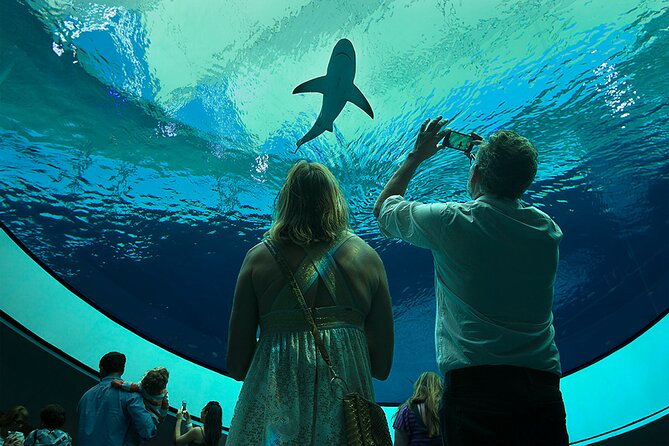
The standout part is the four-level Aquarium. It’s built for “stop and look” moments, with real variety in species and exhibit styles. You’ll encounter marine life highlights like hammerhead sharks, and there’s also a stingray touch experience (when it’s running) that’s the kind of hands-on moment most kids—and plenty of adults—won’t forget.
A few practical thoughts so you get the best payoff:
- Take your time at the predator displays. The museum design puts these moments where you’ll naturally pause, but you still need a minute.
- Don’t rush the less famous tanks. Some of the most interesting learning comes from the smaller habitat details, like how exhibits connect to local environments and ecosystems.
You can also read our reviews of more museum experiences in Miami




Interactive science areas: more than just watching
Even when the focus is animals, Frost Science leans into interaction. There are hands-on exhibits and kid-friendly activities that add movement to the day, so you aren’t only standing and reading labels. One example from the experiences people talk about is a paper airplane activity, which sounds simple until you realize it’s a fun way to get kids thinking about physics without a lecture.
You may also run into brain games for kids and interactive station types that reward curiosity. If your group includes teens, those add-ons can be the difference between “we saw it” and “we enjoyed it.”
Birds and other unexpected favorites
The aquarium isn’t only about sharks and stingrays. There are also bird moments that can be quick but memorable, including playful sightings that catch you by surprise. If you’re traveling with kids who get bored with screens, these short “look up” moments help keep attention.
Planetarium show + interactive space experiences: how to plan your indoor time
Your ticket includes one planetarium show based on availability. That’s a big deal because it turns your visit into a mix of animal viewing and a true “showtime” experience. The planetarium side is built around space-themed storytelling and science concepts that work well as a heat-break in Miami.
The planetarium experience is described as having space adventures such as hurling through space and interactive-feeling elements like a double helix slide or climbing onto an asteroid style of experience. Since your ticket guarantees one show (but not which show or what extra features are running), I’d treat these as “expect the space-themed goodness” rather than a guaranteed ride-through for every visitor.
If you want the best variety, do show + aquarium in the right order
A simple approach that tends to work:
- Start with the aquarium early while you’re fresh.
- Use the planetarium show when you need a break from walking.
- Save any extra interactive stations for after the show.
That order helps you avoid the classic problem of running out of energy before the best stuff. If you have a group with different energy levels, this also makes it easier to keep everyone happy.
Virtual reality and immersive ocean viewpoints (when available)
Some visitors point out virtual reality options, and there’s also mention of an immersive ocean experience called the Gulf Stream Oculus. That specific exhibit is described as letting you lie down while watching fish, stingrays, sharks, and turtles pass by.
I’d treat this as a “bonus if it’s operating” moment. When it’s running, it adds a different flavor than the aquarium because you’re experiencing the ocean perspective more directly, and it often becomes a highlight for people who love marine life.
Layout tips: how to avoid missing key areas
Frost Science is big enough that layout can feel confusing if you move randomly. One helpful tip is to start from the top (rooftop level) and go down. Even if you’re not able to access the roof every day, the general idea still helps: pick a direction and commit.
Also, plan for bottlenecks. Aquarium viewing areas can get crowded at certain displays, and planetarium scheduling can create natural “clusters” of guests. If you show up early, you can reduce the worst waiting.
A good 2–3 hour plan for most people
If you have 2 to 3 hours and want the highlights:
- Spend your first chunk of time on the main aquarium flow and the shark/touch moments.
- Add the planetarium show once you’re warmed up or when you want a break.
- Finish with interactive stations and smaller exhibits so you don’t feel rushed near the end.
If you’re the type who likes to read every sign and watch every tank, give yourself closer to a half-day. The building is set up for it.
Who this is best for (and who might find it slower)
This museum works well for:
- Families with kids who like animals and hands-on activities
- Couples who want a mix of science and a memorable indoor outing
- Teenagers who enjoy interactive stations and big-topic learning
It can also work for adult-only visitors if you genuinely like aquariums and planetarium shows. Some adults do find it more fun when they lean into the interactive parts rather than only browsing.
That said, not every group loves every section. If your priority is “lots of activities nonstop,” the aquarium can feel slower because it’s still a museum with plenty of viewing time.
Downsides to plan for: roof access, parking, and app hiccups
No museum is perfect, so here are the friction points that are most worth knowing ahead of time.
Roof access can be limited
There have been days when roof access wasn’t available. If rooftop views are part of your plan, have a backup mindset: focus on the aquarium levels and planetarium show as the core.
Navigation can slow you down
If you move without a route, you can end up spending time doubling back. The “start at the top and work down” tip helps avoid that.
Parking is an extra cost
One common complaint is that parking can be expensive (an example given was $18). If you’re driving, budget for it and don’t assume you’ll find cheap, quick parking in seconds.
Mobile ticket tech can fail
If the app doesn’t work, don’t panic. The fix reported was to head to the museum counter with proof and proceed. Your best move is keeping your confirmation ready offline too, in case signal or app access isn’t smooth.
Should you book Frost Science admission tickets?
Book it if you want a Miami indoor activity that combines aquarium excitement with a guaranteed planetarium show. It’s especially strong for families and anyone who likes marine life, hands-on science, and a “one building, one day” format.
Skip it or rethink it if:
- You’re trying to do only a quick stop and want maximum activity per minute
- You’re expecting every viewpoint (like roof access) to be available
- Your group hates crowds and long viewing stretches
If you’re on the fence, my practical advice is this: arrive near opening, prioritize the aquarium levels plus the planetarium show, and save flexible extra time for interactive stations. Do that, and the $29.95 starts to feel like money well spent rather than a ticket price for a short skim.
FAQ
What does the Frost Science admission ticket include?
The ticket includes museum admission (Aquarium), one planetarium show based on availability, and museum exhibitions.
How long should I plan to spend at Frost Science?
Plan for about 2 to 3 hours, roughly.
What time does entry start?
The start time listed is 10:00 am.
Is food included with the ticket?
No. Food and drinks are not included.
Do I need to worry about ticket language?
The experience is offered in English.
Are service animals allowed?
Yes, service animals are allowed.
Can I get a refund or change my ticket if plans change?
No. The ticket is non-refundable and cannot be changed for any reason.