REVIEW · MIAMI
Miami: Superblue Miami Immersive Art Experience Ticket
Book on Viator →Operated by Superblue Miami · Bookable on Viator
It’s like walking into a dream factory. Superblue Miami turns famous contemporary art into a timed, one-way stroll of light, mirrors, and digital scenes—right across from the Rubell Museum in Allapattah.
I especially like the timed entry setup. It helps you skip the big free-for-all and get moving at a pace that actually works, about 1.5 hours for most people. I also love that the whole route is wheelchair accessible, and the staff infrastructure is built for different needs (including sensory-friendly hours).
One thing to keep in mind: the experience can feel short if you rush. Even though the ticket time lets you stay for a set window, some people felt it went too fast, especially if they hit crowds at the wrong moment.
In This Review
- Key Points to Know Before You Go
- First Stop: Getting In Smoothly and Finding the Right Pace
- The Mirror Maze and teamLab Digital Rooms: Where Fun Becomes a System
- James Turrell’s Ganzfeld: The Light Work You’ll Remember
- Es Devlin’s World: The Staged Environment Moment
- Gift Shop Finish: Photos, Souvenirs, and a Soft Landing
- Timing, Lines, and Why Your Time Slot Matters
- Price and Value: Is $37.39 Worth It?
- Who Should Book This, and Who Might Want to Think Twice
- Travel Tips That Make the Visit Easier
- Should You Book Superblue Miami?
- FAQ
- Where is Superblue Miami located?
- How long does the Superblue Miami experience take?
- What time should I arrive for my ticket?
- Is Superblue Miami wheelchair accessible?
- Are service animals allowed?
- Can I bring a stroller?
- Are photos and videos allowed?
- Can I bring food or drinks into the gallery spaces?
Key Points to Know Before You Go
- Timed, one-way flow means you follow the route in a set order from lobby to gift shop.
- James Turrell Ganzfeld is the star, and photos are strictly prohibited in that specific installation.
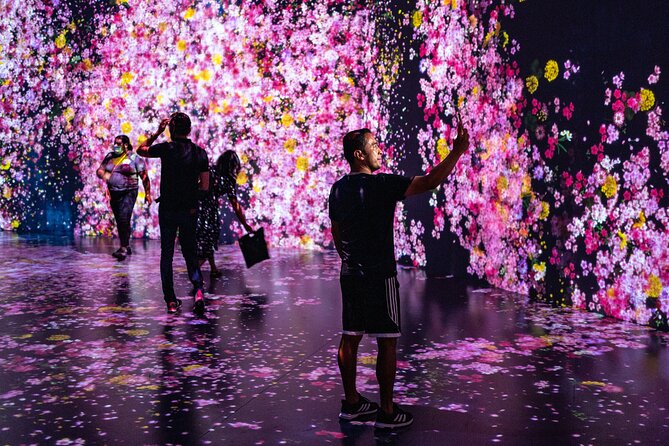
- Multiple artist worlds show up in sequence: teamLab digital rooms, then light-based Ganzfeld, then Es Devlin’s staged environment.
- Accessibility is built in, including wheelchair access and service animals allowed.
- Bring comfortable shoes since you’ll be walking, standing, and stopping for photos.
- Parking can add up, with valet offered Tuesday–Sunday plus limited street parking nearby.
First Stop: Getting In Smoothly and Finding the Right Pace
Superblue Miami is designed for an easy first step. You arrive with your ticket, show it on entry, and then you follow the path that’s already planned for you. Plan to arrive 15 minutes early. Late arrivals can get turned away, so treat that early arrival rule like part of the deal, not a suggestion.
Location-wise, this is convenient if you’re using rail. It’s near Miami Central Station, with access via Brightline and Brightline+ service to the venue. If you’re arriving by ride-share, you can use the dedicated pickup and drop-off location.
There’s also parking nearby. Expect limited street parking, and valet parking is available for a fee Tuesday–Sunday. One theme from experience reviews is that people like the art more when the logistics don’t stress them out—so I’d plan for parking time or use rail if you can.
Now, let’s talk about the route. The flow is one-direction only:
1) lobby
2) teamLab digital experience
3) James Turrell light-based Ganzfeld
4) Es Devlin’s world
5) Superblue Gift Shop
That one-way setup is part of what makes Superblue feel different from a normal museum. You don’t have to decide what to do next; you just go.
You can also read our reviews of more tours and experiences in Miami



The Mirror Maze and teamLab Digital Rooms: Where Fun Becomes a System
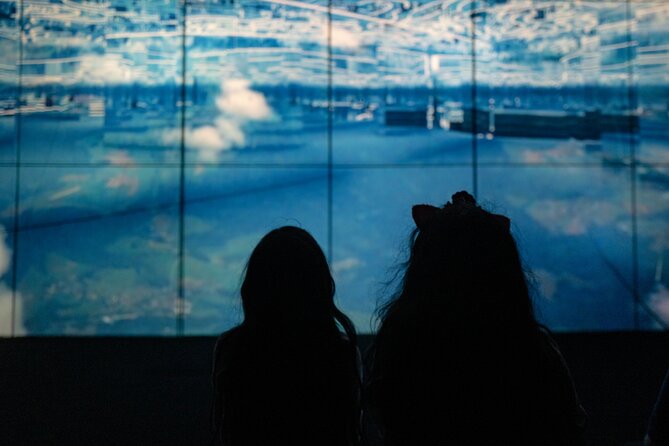
Your journey starts in the lobby, then you move into the teamLab portion. This is where the experience leans most into playful tech—digital scenes, changing visuals, and rooms that feel designed for slow wandering and photos.
This part works best if you treat it like a break from Miami’s heat. A lot of people come specifically to get indoors, and these rooms deliver that “escape” feeling without you needing to figure out anything complicated. The building is set up so you move forward. That means you’re not stuck hunting for entrances while people behind you shuffle impatiently.
A practical tip: wear clothing that’s comfortable in an indoor setting but also easy to move in. The photos are easier when you can stand in one spot without adjusting your outfit every ten seconds. Also, if you’re bringing a stroller, it’s allowed through most of the venue—but you’ll be asked to leave it at the exit during the final installations, so don’t over-pack your route with last-minute stroller juggling.
One more thing: backpacks and duffle bags aren’t permitted in the exhibit. The good news is there are lockers in the lobby area for personal belongings. If you like bringing a big bag for water, chargers, and snacks, you’ll want to rethink that. Water is allowed, but outside food and drink aren’t allowed in the gallery spaces.
James Turrell’s Ganzfeld: The Light Work You’ll Remember
The Ganzfeld installation by James Turrell is the most serious moment in the route. It’s described as enveloping and light-based, and that’s exactly what it feels like when you’re inside—your brain has to shift from “photo mode” to “notice mode.”
Here’s the key rule you should know before you arrive: photography is strictly prohibited in James Turrell’s Ganzfeld installation. That rule isn’t just a formality. Plan to keep your phone put away during that room. If you forget, you’ll likely feel annoyed at yourself in the middle of the piece.
Why this matters for your enjoyment: the best part of Ganzfeld is the quiet attention. If you try to turn it into another Instagram stop, you’ll miss what makes it special. Give it your full focus for a few minutes. Let your eyes adjust. Stand still. Then take a breather before you move on.
If you’re the type who loves artistic explanations, you may get some help from staff guides. Reviews highlight that guides sometimes share background on how artists developed their ideas and how long certain works can take to create. That kind of context can make Turrell’s light work land harder.
Es Devlin’s World: The Staged Environment Moment
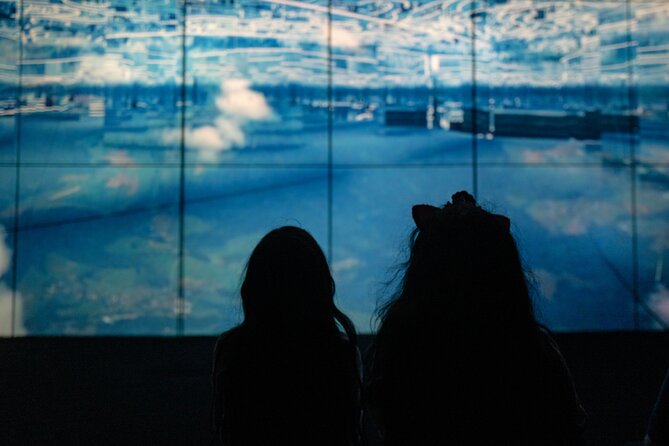
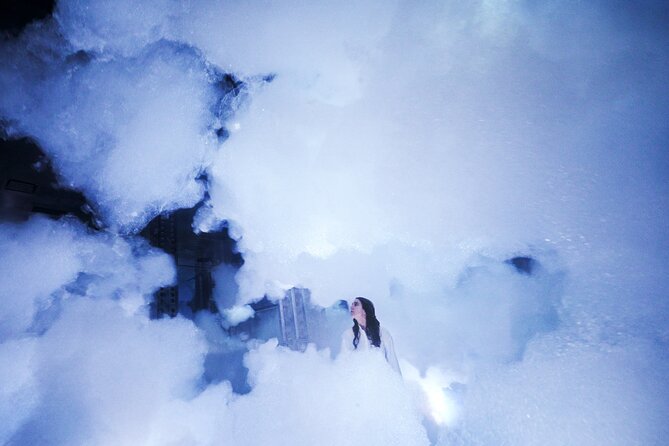
After Ganzfeld, you move into Es Devlin’s environment. This is where the experience shifts from light and perception into more immersive staging—space that feels built around you, with visuals and atmosphere designed to guide your attention.
In a normal museum, you’d usually walk into a room, look at artwork, and then move on when you’re done. Here, the staging pushes you to slow down because the room itself is part of the message. Think of it as theater meets contemporary art, with you as the moving audience.
This section can also be where sensory factors matter. Superblue offers sensory friendly hours, and service animals are allowed. If you’re sensitive to crowds, noise, or overstimulation, you’ll want to pick a time slot that feels manageable. Also, one-way flow helps reduce backtracking stress.
If you’re visiting with kids, this is often the part that keeps them engaged after the wow factor of mirrors and digital visuals. In multiple reviews, families mention children enjoying the different rooms and the chance to interact with the art through the way the environments respond to your presence.
Gift Shop Finish: Photos, Souvenirs, and a Soft Landing
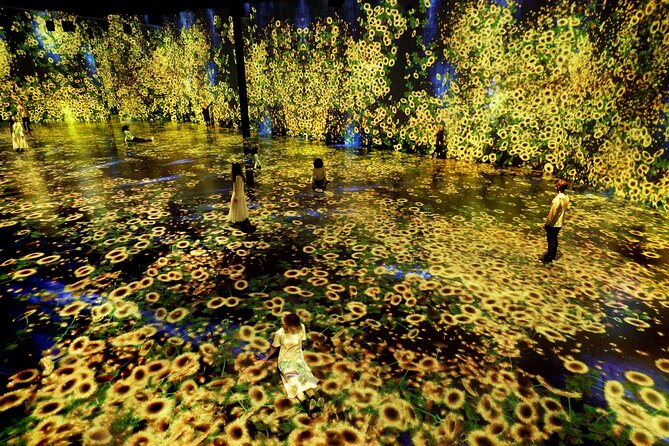
Your last stop is the Superblue Gift Shop. It’s a useful ending point, because after a few rooms of standing and looking around, you want something that feels like closure.
This is also a smart moment to check your photos and reset your energy. Just remember: some installations don’t allow photos, so you’ll want to accept that not every room will produce the same kind of camera-friendly result. The gift shop helps you take something home even if the light-room memories are more internal than visual.
If you’re hungry, plan food nearby. Outside food and drink aren’t permitted in the gallery spaces. Reviews also mention people grabbing lunch at nearby places, including Blue Cafe, after their visit.
And if you want to turn this into a half-day plan, the location is helpful. Superblue sits across from the Rubell Museum in Allapattah, so you can build a local arts route.






Timing, Lines, and Why Your Time Slot Matters
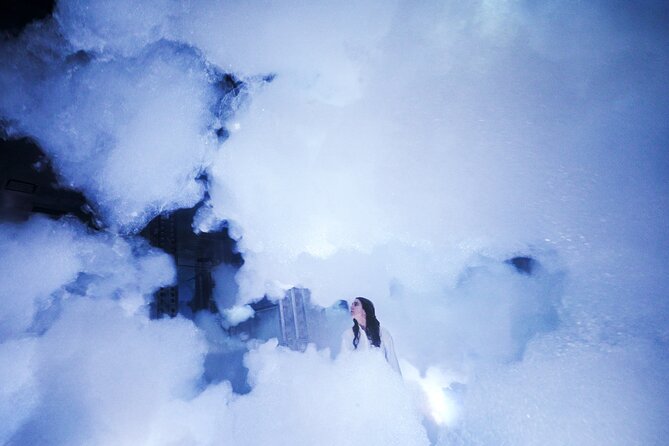
One of the most honest parts of the Superblue story is timing. The experience uses time slots, and that’s not just to make scheduling easy—it’s to control flow inside.
When people hit long lines, the mood can change fast. A couple of reviews complain that crowds ruined the experience, and others emphasize that the time slots matter because the staff is trying to keep the route working smoothly. So choose a slot you can handle.
My advice: aim for an earlier time if you can. If you go when the venue is busiest, you’re more likely to feel like you’re moving through rooms with less breathing room. If you go earlier, you’ll often get the calmer feel people describe when they say the experience is relaxing.
Also, don’t treat the ticket like a race. Most people spend about 1.5 hours, but that depends on how long you stop, how patient you are with photos, and whether you want extra time to just sit in the light-based work. If you want the full value, plan for the full window and slow down where it counts.
Price and Value: Is $37.39 Worth It?
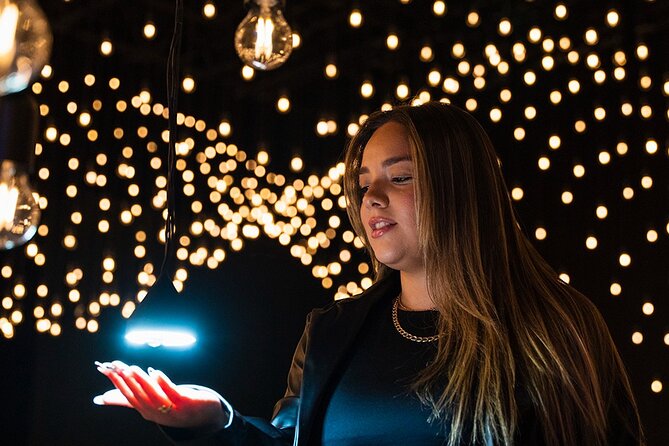
At $37.39 per person, Superblue Miami sits in the “reasonable for a modern art night out” category for a lot of people—especially compared to traditional museum tickets that don’t give you the same hands-on, room-as-art experience.
But value is personal here. If you treat it like a quick walkthrough, you might feel it’s overpriced. If you give each room its time, it can feel like a full creative afternoon.
Also watch for extra costs around the edges:
- Parking may add fees. Valet is available Tuesday–Sunday, and limited street parking can be metered.
- Add-ons exist, but experiences vary. Some people mention extra charges for additional effects. If you’re watching your budget, consider skipping paid extras unless you know exactly what you’re buying.
Here’s the practical take: Superblue isn’t trying to be a massive museum with dozens of unrelated galleries. It’s trying to be a tight sequence of major works by major names—mirrors, digital rooms, and Turrell’s Ganzfeld. If that format clicks for you, the ticket feels fair. If you need a long, room-filled day, you might want to pair it with another Allapattah stop.
Who Should Book This, and Who Might Want to Think Twice
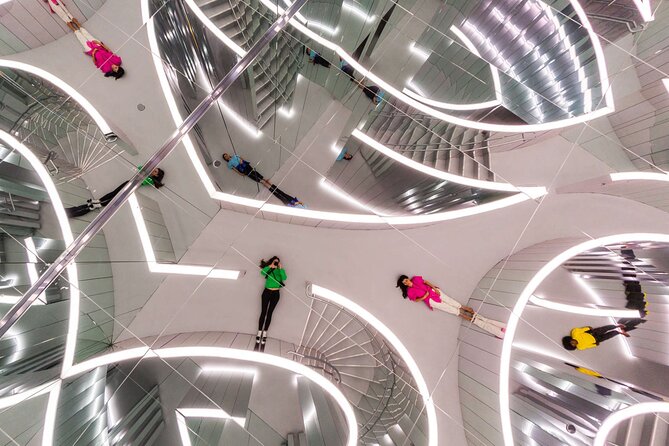
This works well for:
- families with kids who like interactive tech and colorful rooms
- couples who want something different than a standard museum visit
- anyone who wants a break from heat and humidity with a controlled indoor route
- people who enjoy contemporary art when it’s staged as an environment, not just displayed on walls
It might feel less satisfying if:
- you want a longer, slower museum day with lots of content variety
- you hate crowds and are traveling at busy times
- you’re strict about maximizing photo time, since Turrell’s Ganzfeld has strict photography rules
If you’re sensitive to sensory input, use that sensory friendly hours option to choose a better timing window.
Also, bring expectations that are realistic. This is not a walking tour through Miami history. It’s a contemporary art route where the rooms do the storytelling.
Travel Tips That Make the Visit Easier
A few simple things can improve your experience fast:
- Wear comfortable shoes. You’ll stand and move through multiple rooms.
- Keep your bag plan simple. No backpacks or duffle bags in the exhibit; use lobby lockers.
- Water is your friend. Outside food and drink aren’t allowed in the gallery spaces, and liquids other than water aren’t permitted.
- Don’t plan a photo strategy for Turrell. Accept the no-photo rule in the Ganzfeld room and enjoy it instead.
- If you like guided context, ask a guide. Some staff explain background and process. Reviews mention guides like Hoji sharing history and background, and a guide named Victor being especially helpful.
Should You Book Superblue Miami?
I think you should book if you want a modern art experience built like a guided walk through major rooms, with the payoff being atmosphere, light, and smart design. The one-way flow, the timed entry, and the mix of teamLab, James Turrell, and Es Devlin create a strong sequence that’s more memorable than a typical museum stop.
Skip or reconsider if you’re worried about crowds, you hate rules about photography, or you know you’ll rush through rooms. In those cases, you might feel like the experience is too short for the price.
My final nudge: pick your time slot carefully, arrive 15 minutes early, and plan to spend your money on the full 1.5 hours instead of treating it like a quick photo errand.
FAQ
Where is Superblue Miami located?
Superblue Miami is at 1101 NW 23 Street in Miami, FL 33127, across from the Rubell Museum in Allapattah.
How long does the Superblue Miami experience take?
Most people spend about 1.5 hours in the exhibit.
What time should I arrive for my ticket?
Arrive at least 15 minutes before your scheduled entry time. Late arrivals may not be accommodated.
Is Superblue Miami wheelchair accessible?
Yes. All exhibitions are wheelchair accessible.
Are service animals allowed?
Yes. Service animals are permitted, and you may be asked to show identification upon entering. Non-official service animals and pets are not allowed.
Can I bring a stroller?
Yes, strollers are allowed through most of the venue. At the final two installations, you will be asked to leave the stroller at the exit.
Are photos and videos allowed?
You can take photos during the experience as you enjoy the spaces. Photo shoots are not permitted without prior approval, and tripods, gimbals, stabilizers, and selfie sticks aren’t allowed. Photography is strictly prohibited in James Turrell’s Ganzfeld installation.
Can I bring food or drinks into the gallery spaces?
Outside food or drink is not permitted (except for medical purposes). Liquids other than water are not allowed in the gallery spaces.