REVIEW · MIAMI
Traditional Cuban Cooking Class in Miami
Book on Viator →Operated by Flavors of Miami Experiences · Bookable on Viator
Cuban cooking feels personal fast. This class takes you into a hands-on chef-led lesson in a quaint private residence setting, with a full meal at the end. I like that you learn the flow of making Cuban dishes from scratch, not just watching food happen. You also walk away with recipe copies so the night doesn’t vanish the next day.
The biggest practical plus is that the whole experience is built around eating: you cook, you taste, and you get drinks with dinner. My one caution is the value math—at $155 per person, it really pays off if you want the full dinner-and-drinks package (including mojitos/sangria) rather than a short snack.
In This Review
- Key Highlights You’ll Care About
- A Miami Kitchen Setting That Feels Like Noche Buena Energy
- Inside the 3 Hours 30 Minutes: The Real Flow of the Evening
- Arrival and getting oriented (around the 5:00 pm start)
- Appetizer focus: learning Cuban technique first
- Main course: ropa vieja as the centerpiece
- Mojitos and other libations during the meal
- Dessert finish: the sweet payoff
- Family-style meal: what you cook plus what’s already prepared
- Appetizers: Where Flavor Starts Before the Main Event
- Ropa Vieja: The Main-Course Lesson You Can Actually Recreate
- Dessert Like a Local: Flan and Sweet Classics
- Mojitos and the Drink Rhythm: Included, Not Just Added
- Dinner and Family-Style Eating: How Much Food You Get
- Price and Value: Is $155 Worth It?
- Who This Class Suits Best (and Who Might Skip It)
- Practical Tips for a Smooth 5:00 pm Evening
- What to bring
- How to get there
- Weather matters
- Mobile ticket
- End time and return
- Should You Book This Cuban Cooking Class?
- FAQ
- How long is the Cuban cooking class?
- What time does the experience start in Miami?
- What dishes will I be taught to make?
- Is dinner included?
- Are drinks included?
- Is private transportation included?
- What’s the group size limit?
- Will I get recipes to take home?
- Is the class dependent on weather?
- FAQ
- What happens at the end of the activity?
- Is there a mobile ticket?
- Can service animals attend?
Key Highlights You’ll Care About
- Small group size (max 12): more hands-on attention and a friendlier pace.
- Three-course structure: you’ll make an appetizer, main (ropa vieja), and dessert.
- Mojito skills included: you’ll learn how to make your own mojitos, plus other libations.
- Taste as you go: the meal turns into a family-style dinner you’re part of.
- Take-home recipes: you leave with copies so you can cook again later.
A Miami Kitchen Setting That Feels Like Noche Buena Energy
This isn’t a warehouse-style cooking show. You start in Miami at 5:00 pm at a private residence, in an outdoor-feeling setting described as beautiful and quaint. That matters more than it sounds—Cuban food is comfort food, and a relaxed home environment helps the class feel less like a demo and more like an evening with people who actually cook.
You get guided instruction by a chef through the main parts of the meal, plus a cocktail workshop. And if you’re the type who hates leaving tours empty-handed, you’ll like the recipe copies you can take home. One review specifically called out how welcome the hosts felt—like being part of the household—and another highlighted a Christmas Eve celebration (Noche Buena) built around classic dishes, which tells me the vibe isn’t stiff or overly staged.
Only one drawback: you’re not paying for a single dish. You’re paying for the full experience—food + drinks + chef coaching. If you’re not into alcoholic beverages, or you only want one course, you may feel the price is more than you need.
You can also read our reviews of more tours and experiences in Miami.



Inside the 3 Hours 30 Minutes: The Real Flow of the Evening
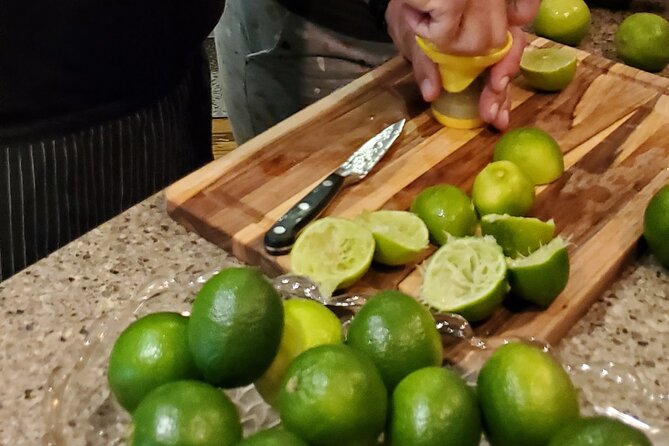
The timing is clear: about 3 hours 30 minutes. The day’s rhythm is built around starting together, cooking in sequence, and then settling in for a family-style meal. Here’s how that usually plays out so you can mentally plan your evening.
Arrival and getting oriented (around the 5:00 pm start)
You’ll meet your cooking instructor/chef at the Miami meeting point, and the activity ends back there. Right away, you’ll be set up for hands-on cooking rather than passive watching. Since it’s family-style and includes dinner, it’s not just a class—it’s scheduled like a proper evening out.
Appetizer focus: learning Cuban technique first
The appetizer segment is your warm-up for flavor and methods. You’ll be guided through steps to create an appetizer from scratch, and you’ll also find that other appetizers are available for you to enjoy. This is where you learn how the chef thinks: timing, seasoning, and how Cuban home cooking builds flavor in layers.
Main course: ropa vieja as the centerpiece
Next comes the main: ropa vieja. That’s a great choice because it’s the kind of dish that’s both recognizable and technique-heavy. You’ll learn how to make it, which gives you a backbone for understanding other Cuban staples.
You can also read our reviews of more tours and experiences in Miami





Mojitos and other libations during the meal
At some point during the process, you’ll shift into cocktail mode and learn how to make your own mojitos. Alcoholic beverages are included, and reviews specifically mentioned sangria as a standout drink. In other words, your cooking isn’t happening in a bubble—you’ll have drinks in the rhythm of the evening.
Dessert finish: the sweet payoff
Then you’ll wrap with dessert. Flan is specifically named as part of the traditional menu in one account, and pastelitos also appeared in another described menu. Dessert closes the loop in a satisfying, old-school way: savory cooking first, then a sweet finish you can actually replicate later.
Family-style meal: what you cook plus what’s already prepared
Even though you’ll cook key dishes, the final meal includes other foods prepared in advance. Think of it as a “you do the key steps, then you sit down like a guest” model. That’s part of why the experience feels full—there’s always plenty to eat while you’re learning.
Appetizers: Where Flavor Starts Before the Main Event
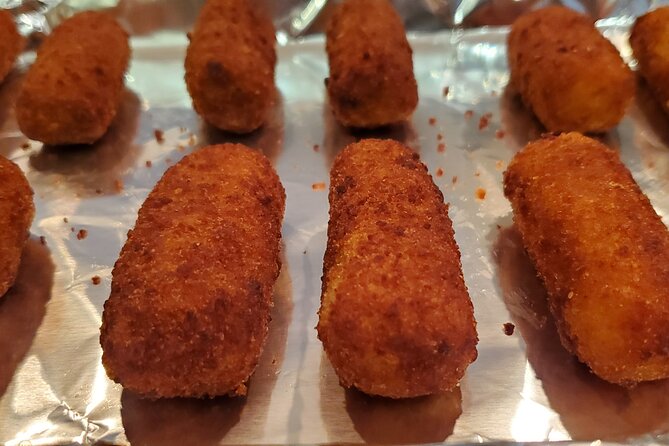
Cuban appetizers in this class are built for learning. You’re not just tasting; you’re making, so you get a feel for things like seasoning balance and how ingredients come together.
You’ll also have additional sample appetizers available, which is handy if you want variety without doubling your workload. One review listed a menu that included dishes like stuffed plantains and other traditional items alongside the core lessons. So while the lesson teaches the structure, the broader table helps you see how different Cuban dishes share common flavor habits.
Practical takeaway: if you’re nervous about cooking, the appetizer portion is the best place to build confidence. It’s early enough that you still feel fresh, and the chef can correct technique before the main course gets more serious.
Ropa Vieja: The Main-Course Lesson You Can Actually Recreate
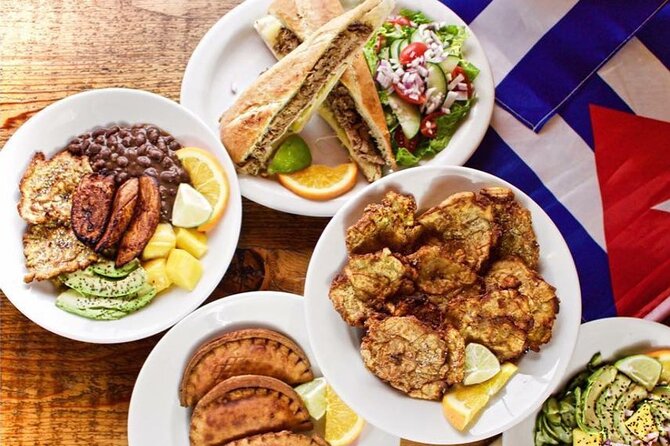
The class calls out ropa vieja by name, and that makes sense. It’s iconic Cuban comfort food, and it’s the kind of dish that teaches you something real about cooking meat and sauce together.
In this lesson, you’ll learn to create the dish yourself, which is the main reason this experience is more valuable than a basic food tasting. A tasting gives you flavor memory. Cooking gives you method memory—the part that helps you recreate the dish at home.
Also, because the final dinner is family-style, you’ll likely get to enjoy ropa vieja again in the meal format. One account mentioned a traditional menu that clearly centered ropa vieja among other classics like beans and rice, which reinforces that this isn’t a one-off dish. It’s part of a coherent Cuban table.
If you’re deciding whether you’re a “cook” type or a “watch and eat” type, this is where you’ll feel the difference. The class is designed for learning hands-on.
Dessert Like a Local: Flan and Sweet Classics
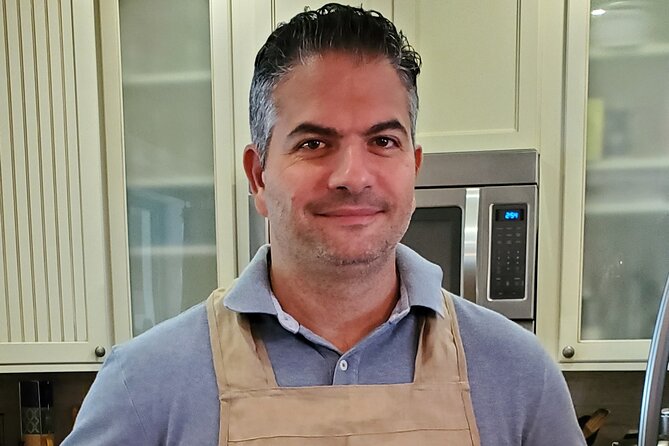
Dessert is not an afterthought here. You’ll make a dessert as part of the lesson flow, and flan showed up in one described traditional menu. Another described menu also included pastelitos, which points to a menu that can run beyond just one dessert option.
What I like about including dessert in the same evening: it keeps the lesson grounded in a full Cuban meal, not a cookie-cutter workshop that stops at dinner. If you’re taking recipes home, dessert matters because it’s often the first thing you’ll want to make again.
Practical takeaway: if you’re planning to host friends later, the dessert is your easiest win. Most people remember the sweet finish, and flan/pastry-style desserts give you something impressive without needing fancy equipment (as long as you follow steps).
Mojitos and the Drink Rhythm: Included, Not Just Added
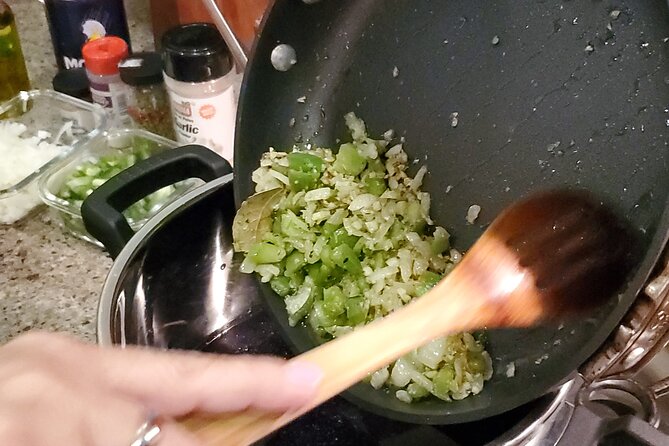
You’ll learn how to make your own mojitos, and alcoholic beverages are included along with coffee/tea and bottled water. The drink portion isn’t only for fun—it’s part of the Cuban meal rhythm.
One review specifically praised sangria as the best they’d ever had, and mojitos were listed among the drinks enjoyed during a traditional menu night. Even if mojitos are the main teachable cocktail, the class clearly understands that drinks are part of the overall experience.
Two practical tips for enjoying this section without overthinking it:
- Stay hydrated. Bottled water is included, and it’s a good idea to use it through the evening.
- If you’re not a strong drinker, you can still enjoy the mojito-making part for the method, then go easy with the sipping.
Dinner and Family-Style Eating: How Much Food You Get
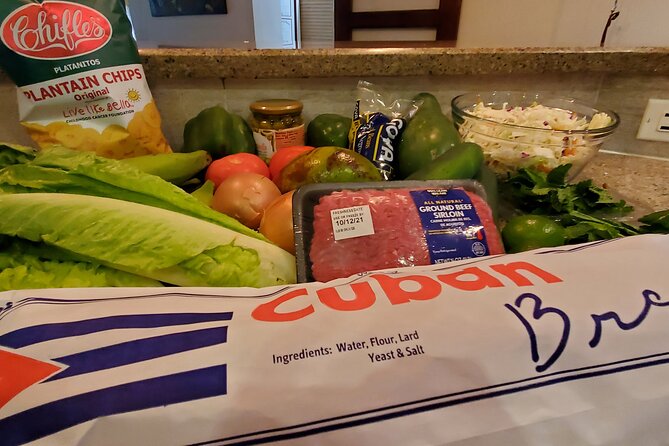
Here’s where the pricing starts to make sense. You’re paying for a chef-led evening that results in a full meal, not just a recipe handout.
The class includes:
- Dinner
- Alcoholic beverages
- Coffee and/or tea
- Bottled water
- Instruction by a chef
And the menu isn’t limited to what you cook yourself. The final family-style meal also includes other foods carefully and traditionally prepared in advance. That means you’re not stuck waiting while everyone else eats; you’re eating as you go and then sitting down for the broader spread.
A couple of dishes named in a traditional menu description included:
- Beans and rice
- Stuffed plantains
- Flan
- Pastelitos
- Mojitos
Even if your exact menu shifts slightly night to night, the pattern stays consistent: classic Cuban comfort dishes plus the core cooking lessons.
Price and Value: Is $155 Worth It?
$155 per person is not cheap, so you want to judge it on what you actually receive: time, teaching quality, food quantity, and included drinks.
Here’s what you’re effectively buying:
- About 3.5 hours with a chef guiding you through multiple course components
- Hands-on participation (appetizer, ropa vieja main, dessert)
- Mojito instruction
- A full dinner plus alcohol, coffee/tea, and water
If you compare that to doing a Cuban dinner at a restaurant and paying for a separate cocktail activity, the value equation gets easier. The best reason this class feels worth it is the recipe take-home element. You’re not just paying to eat well tonight. You’re paying to learn methods you can reuse.
If your goal is simply to taste Cuban food in Miami, a regular restaurant might be a lower-cost route. But if your goal is to learn—especially ropa vieja and a mojito—this is built for you.
Who This Class Suits Best (and Who Might Skip It)
This works best if you:
- Want hands-on cooking rather than watching
- Love Cuban cuisine or want a structured introduction
- Like the idea of making both food and a drink
- Value take-home recipes for future cooking
It may be less appealing if you:
- Only want a quick meal, not a 3.5-hour experience
- Don’t drink alcohol and don’t want a drink-focused component (mojitos are part of the program)
- Prefer private, door-to-door transportation (private transportation isn’t included)
The small group size (max 12) is a big plus for couples and small groups. It makes the evening feel more human and less crowded.
Practical Tips for a Smooth 5:00 pm Evening
A few details make a difference when you’re booking a class like this.
What to bring
This is a cooking class in a private residence. Wear comfortable clothes you don’t mind getting a little messy. Closed-toe shoes are a smart move, since you’ll be working in a kitchen setting.
How to get there
Private transportation is not included. The good news: it’s near public transportation. If you’re staying somewhere central, that should help.
Weather matters
Good weather is required, and if it’s canceled due to poor weather, you’ll be offered a different date or a full refund. If you’re traveling in peak Miami humidity season, keep some flexibility in your evening plans.
Mobile ticket
You’ll have a mobile ticket. Make sure you can access it on your phone before you head out.
End time and return
The class starts at 5:00 pm and ends back at the meeting point. That makes it easier to plan dinner afterward—or plan nothing afterward, which is sometimes the best plan.
Should You Book This Cuban Cooking Class?
I’d book it if you want a real, chef-led night that ends with food you helped make—and recipe copies you can use later. The combination of hands-on lessons, a named main course like ropa vieja, and mojito instruction hits a sweet spot for people who like doing things, not just eating.
Skip it if you’re shopping for a low-cost meal or you’d rather keep cocktails optional. At $155, you’re paying for the full package: cooking time, dinner, drinks, and guided instruction in a small group.
If you’re the type who likes to turn a travel memory into a repeatable skill, this one has strong staying power.
FAQ
How long is the Cuban cooking class?
It lasts about 3 hours 30 minutes.
What time does the experience start in Miami?
The start time is 5:00 pm.
What dishes will I be taught to make?
You’ll learn how to make an appetizer, a main course (ropa vieja), and a dessert, plus you’ll learn how to make mojitos.
Is dinner included?
Yes. Dinner is included.
Are drinks included?
Yes. Alcoholic beverages are included, and coffee and/or tea and bottled water are also included.
Is private transportation included?
No, private transportation is not included.
What’s the group size limit?
The experience has a maximum of 12 travelers.
Will I get recipes to take home?
Yes. You’ll receive copies of the recipes to take home.
Is the class dependent on weather?
Yes. The experience requires good weather, and if it’s canceled due to poor weather you’ll be offered a different date or a full refund.
FAQ
What happens at the end of the activity?
It ends back at the meeting point.
Is there a mobile ticket?
Yes, the experience uses a mobile ticket.
Can service animals attend?
Yes, service animals are allowed.