REVIEW · MIAMI
2 Hour Group Surf Lesson in Miami Beach
Book on GetYourGuide →Operated by Miamiadventures.com · Bookable on GetYourGuide
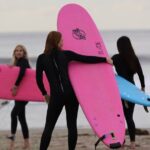
Surfing lessons can turn a beach day into a skill day. This 2-hour group lesson has you working the basics in the same water that makes Miami Beach so famous, with certified instructors running the show and a small group size that keeps coaching personal. You’ll start with safety and ocean basics, then move toward paddling, board positioning, and standing on waves at a pace that works for beginners to lower intermediates.
My favorite part is the way the instruction is set up for real progress: clear fundamentals on the beach, then lots of time trying, resetting, and trying again with your surfboard included. One thing to consider: it’s not suitable for kids under 12, and you do need basic swimming ability to join.
In This Review
- Key things to know before you go
- South Pointe start: meeting at 3 Washington Ave
- Safety and ocean basics first (where good lessons win)
- What you do in the water (and what changes if it’s flat)
- Small-group coaching that keeps you from drifting
- Surfboard included: why that’s more useful than it sounds
- How the 2 hours usually feel in practice
- Price check: is $85 for 2 hours fair value?
- Who this lesson is best for (and who should skip)
- What to bring so your lesson goes smoothly
- Should you book this Miami Beach group surf lesson?
- FAQ
- Where is the meeting point?
- How do I recognize the instructor’s van?
- What’s included in the lesson?
- What should I bring?
- Do I need to know how to swim?
- How big is the group?
- Are there options if there are no waves?
- Is this lesson suitable for kids?
- What language are the instructors?
- Can the lesson be canceled or rescheduled due to weather?
- What’s the cancellation policy?
Key things to know before you go

- Small group capped at 6 means more attention while you learn
- Surfboard included saves you from renting gear on your trip
- Certified instruction focuses on safety, ocean dynamics, and basics
- South Pointe Beach is your learning ground for Miami-style waves
- Flat-ocean backup plan uses a land lesson and lets you practice in the water with surfboards or stand-up paddle boards
South Pointe start: meeting at 3 Washington Ave
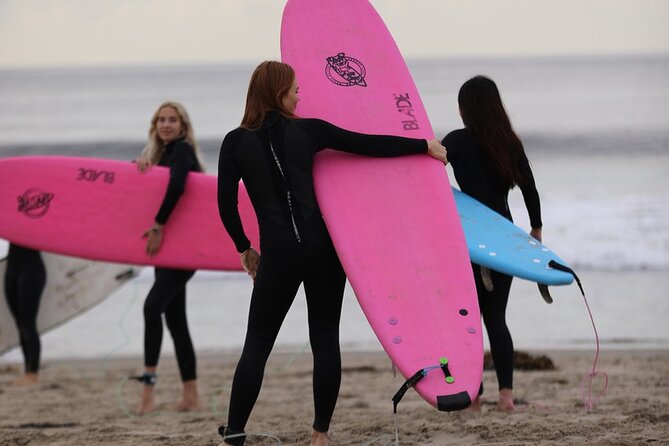
The logistics are simple, but it helps to be ready on time. You meet at the Miami Beach parking lot at 3 Washington Ave, Miami Beach, FL 33139. The instructor shows up in a white Nissan van with a black roof rack and orange plates (698CF), with a surfer—easy to spot if you scan the street for that specific vehicle.
From there, you head to South Pointe Beach for the class and safety briefing. This matters more than it sounds. Surfing gets fun fast, but only after you understand the rules of the water—what to watch for, how to handle your board, and how to move without creating problems for other surfers.
Timing-wise, the whole lesson is 2 hours, so the session is built to be efficient. You’re not signing up for a half-day surf camp. It’s a tight starter course, which is great if you want a memorable activity without turning your day into logistics.
You can also read our reviews of more tours and experiences in Miami



Safety and ocean basics first (where good lessons win)
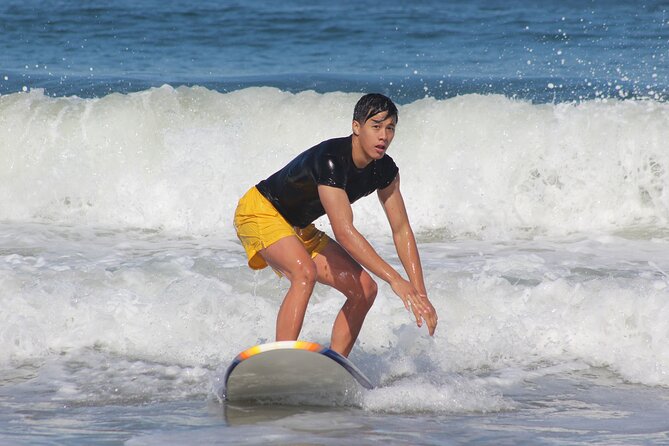
Every strong surf lesson starts the same way: you learn how not to get hurt. In this group format, the instruction begins with ocean dynamics and safety protocols, then shifts into basic technique. That structure is ideal for first-timers and it also helps lower intermediate surfers who want to tighten up their form.
Here’s why this part is worth your time. On your first day on a board, you’re usually thinking about everything at once—popping up, balancing, paddling, where your hands go, what the wave is doing. If the safety and basics are taught clearly upfront, you spend less energy panicking and more energy getting better.
The reviews also point to a common theme: instructors are patient and clear with explanations. Names that show up include Bryant, Esteban, Juan, Thiago, Ibon, Stephen, and Jett. The consistent message is simple: good teachers slow things down, explain the basics in a way you can actually follow, and then give you small, practical tips once you’re out there.
What you do in the water (and what changes if it’s flat)
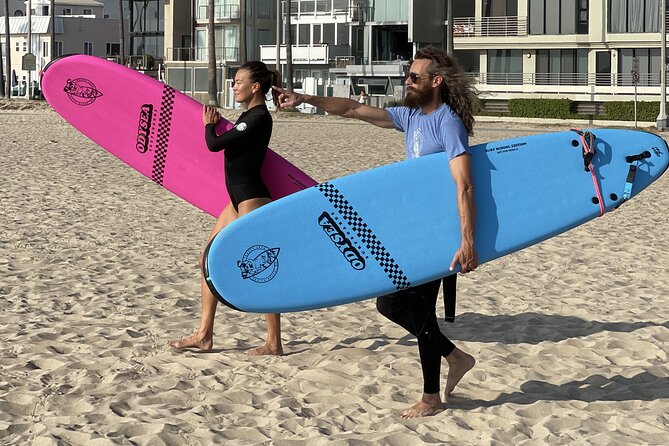
The core of the experience is learning how to surf in a structured way for beginners to lower intermediate surfers. That usually means three big focus areas:
- Paddling and board positioning so you can get into position without fighting the ocean
- Standing and balance on the board (often the first real milestone)
- Riding basic waves once you can manage the timing
Your group stays small—limited to 6 participants—so your instructor can adjust cues when you’re struggling. That personalized guidance is the difference between just getting tossed around and actually learning something you can take to the next session.
Now for the most practical detail: what happens when Miami Beach is flat. On those days when there are no usable waves, the lesson switches to a regular land lesson. Then you get an option to practice your skills in the ocean using surfboards, or you can practice in the water with stand up paddle boards.
That backup plan is a big deal for value. Miami conditions can change fast. Having a plan means you’re not just showing up and hoping the ocean cooperates—you’ll still learn, and you’ll still get time with the gear.
Small-group coaching that keeps you from drifting
A group surf lesson can either feel like teamwork—or like you’re watching someone else learn. This one tries hard to avoid the second option by limiting the group to 6 participants. That small size changes everything:
- Your instructor can see what you’re doing without guessing
- You get quicker corrections when your paddling or pop-up timing is off
- You spend less time waiting and more time practicing
The reviews back up this focus on individual attention. People highlight how instructors show care for each participant, and how patience makes a first surf session feel manageable. In particular, comments mention instructors being calm and supportive even when the ocean conditions weren’t perfect—so you’re less likely to feel like you failed if the day doesn’t deliver textbook waves.
One review also notes a small comfort gap: there wasn’t a cooler with drinks provided. Since only the surfboard is listed as included, I’d plan like you’ll want water and maybe a snack later. Pack what you can, even if you don’t think you’ll need it.
Surfboard included: why that’s more useful than it sounds
You don’t have to rent a board. The surfboard is included. That sounds simple, but it saves time and stress, especially on a trip where you’re already juggling beach access, sunscreen, towels, and whatever else you packed.
It also makes your first lesson more straightforward: you’re learning technique with the equipment the instructor expects you to use. In a skill like surfing, where the board’s feel changes everything, using the lesson’s board is a practical advantage.
Just remember what’s on you. You’re bringing your own swimwear and a towel, plus sunscreen and water. Miami sun hits hard, and even a short ocean session can leave you winded and sunburned if you’re not ready.
You can also read our reviews of more tours and experiences in Miami




How the 2 hours usually feel in practice
This is a 2-hour lesson, and it’s designed to be a real introduction without dragging. The flow generally looks like:
- Arrive and gear up at the meeting area
- Move to South Pointe Beach for class and a safety briefing
- Practice the basics in the water with instruction and corrections
- Return to the meeting point
Because it’s only two hours, you won’t cover everything about surfing. That’s okay. For your first session, the win is learning how to paddle, how to manage your board, and how to stand up consistently enough to feel in control.
If you already surf a bit, this still works as a skills reset. Many lower intermediate surfers struggle with the same fundamentals—positioning, timing, and balance. A guided lesson can help you adjust those without needing a full multi-day camp.
Price check: is $85 for 2 hours fair value?
At $85 per person for 2 hours, you’re paying for three things: instruction, a small group, and the surfboard. In surf lessons, the biggest variable is not the location—it’s the coaching.
With a maximum group size of 6, and with certified instructors leading the session, the price starts to make sense. You’re not just paying for access to the beach. You’re paying for feedback in the moment and a lesson structure that targets beginner skills.
If you compare this to paying for board rental plus a generic “go out there and figure it out” experience, the included surfboard and coaching tip the scale toward better value—especially if this is your first time.
The only way it’s not a good deal is if you’re expecting a long session, or if you’re not able to swim comfortably. If you want a short, well-guided introduction, this is in the right price zone.
Who this lesson is best for (and who should skip)
This group surf lesson is aimed at beginners to lower intermediate surfers. If that’s you, you’ll likely enjoy how the lesson focuses on basics that matter immediately.
It also fits well if you want a social experience. Even though it’s small, it’s still a group. You’ll be learning alongside others at your level, which makes the whole thing feel less intimidating when you’re getting knocked around at first.
That said, there are clear limits:
- Basic swimming knowledge is required
- It’s not suitable for children under 12, and kids in that age range should check private classes instead
If you or your group is nervous about water, consider a more gradual option first. Surf is fun, but it’s still an ocean activity, and safety comes before excitement.
What to bring so your lesson goes smoothly
You’ll want the basics handled so you can focus on surfing. Bring:
- Swimwear
- Towel
- Sunscreen
- Water
Also, arrive ready to get moving. If you’re wearing flip-flops and wet-changing clothes, you’ll waste time. Think about what makes it easiest to get from parking lot to beach, then from wet gear to comfortable clothes afterward.
In Florida, sun and heat are part of the lesson. A little planning here can mean the difference between thinking, okay, that was hard—but worth it—and feeling wiped out for the rest of the day.
Should you book this Miami Beach group surf lesson?
Book it if you want a short, guided surf session with real coaching and a small group. The price makes sense when you factor in the surfboard and the fact that instructors focus on safety, fundamentals, and personalized tips in the water.
Skip it (or pick a different format) if you’re not confident swimming, if you’re booking for a child under 12, or if you only want surfing on the perfect-wave days. The lesson has a flat-ocean backup plan, but it’s still weather-dependent.
If you go, treat it like a skill class, not a performance. The goal is to learn what to do next time—and a good instructor makes that happen, whether you’re learning to stand or refining how you paddle out.
FAQ
Where is the meeting point?
The instructor meets at the Miami Beach parking lot at 3 Washington Ave, Miami Beach, FL 33139, USA.
How do I recognize the instructor’s van?
Look for a white Nissan van with a black roof rack and orange plates 698CF with a surfer.
What’s included in the lesson?
A surfboard is included.
What should I bring?
Bring swimwear, a towel, sunscreen, and water.
Do I need to know how to swim?
Yes. You need basic swimming knowledge to participate.
How big is the group?
The group is limited to 6 participants.
Are there options if there are no waves?
Yes. If the ocean is absolutely flat, you’ll do a land lesson with surfboards and then you’ll have an option to practice in the ocean using surfboards or stand up paddle boards.
Is this lesson suitable for kids?
It’s not suitable for children under 12. For younger kids, check private classes.
What language are the instructors?
The instructor speaks English.
Can the lesson be canceled or rescheduled due to weather?
Yes. The activity might be rescheduled or canceled based on surf and weather conditions, and you’ll be contacted the day before if that happens.
What’s the cancellation policy?
You can cancel up to 24 hours in advance for a full refund.