REVIEW · MIAMI
Miami: Museum of Graffiti Admission
Book on GetYourGuide →Operated by Museum of Graffiti · Bookable on GetYourGuide
Graffiti looks better with context. The Museum of Graffiti turns street tags into a readable story, with indoor exhibits plus twelve exterior murals right in Wynwood.
I also love the chronological audio tour narrated by co-founder Ket, which connects graffiti’s early origins to how it shows up in design, fashion, advertising, and galleries.
One watch-out: the museum feels compact, so if you’re chasing big, hands-on experiences, you may wish there was more interactivity.
In This Review
- Key things to know before you go
- Why this Museum of Graffiti works (even if you’re not a tag-nerd)
- Indoor galleries: your chronological walk through US graffiti
- Wynwood outside: how the twelve murals change your perspective
- The audio tour narrated by Ket: how to get more out of every stop
- Art you’ll recognize: big names and why they matter
- Fine art gallery and the gift shop: what to do after the learning
- Timing and logistics for a 1-day visit that doesn’t feel rushed
- Price and value: is $16 a fair deal?
- Who should book this, and who might skip it
- Should you book the Museum of Graffiti admission?
- FAQ
- What does the admission include?
- Does this ticket include entrance to Wynwood Walls?
- How long is the experience?
- Is there an audio tour, and who narrates it?
- Are food and drinks allowed?
- Are pets allowed?
- Is the museum wheelchair accessible?
Key things to know before you go
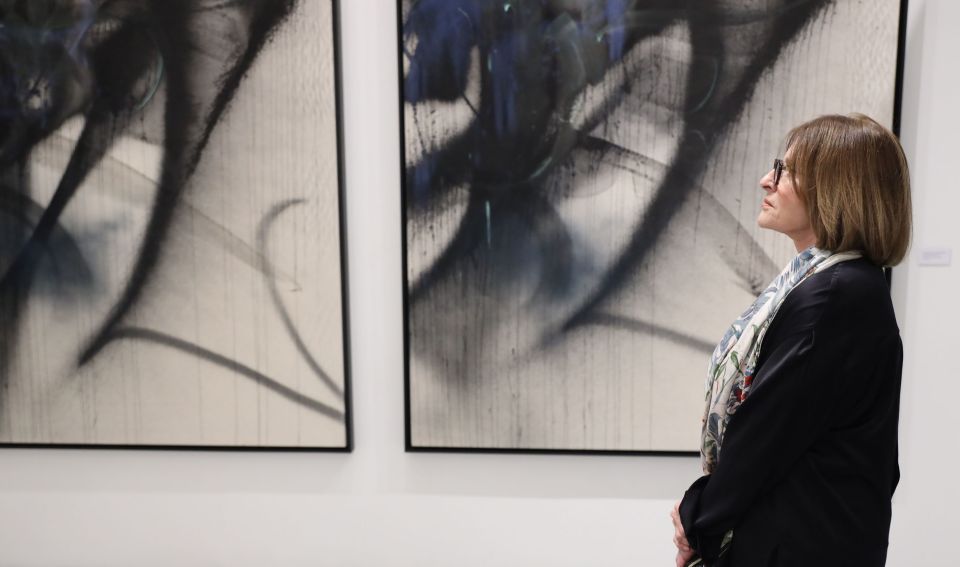
- Twelve exterior murals let you keep learning outside, not just behind glass.
- Audio-tour narrated by Ket helps you follow the story in order, instead of guessing what you’re seeing.
- Hundreds of artists are represented, including names like Kaws, Futura 2000, Dondi White, Phase 2, and Rammellzee.
- Guides available throughout the exhibition can add context when a piece doesn’t come with an easy label.
- Wynwood is part of the experience, but Wynwood Walls admission is not included.
- A strong gift shop sells limited-edition and exclusive graffiti-related merchandise.
Why this Museum of Graffiti works (even if you’re not a tag-nerd)
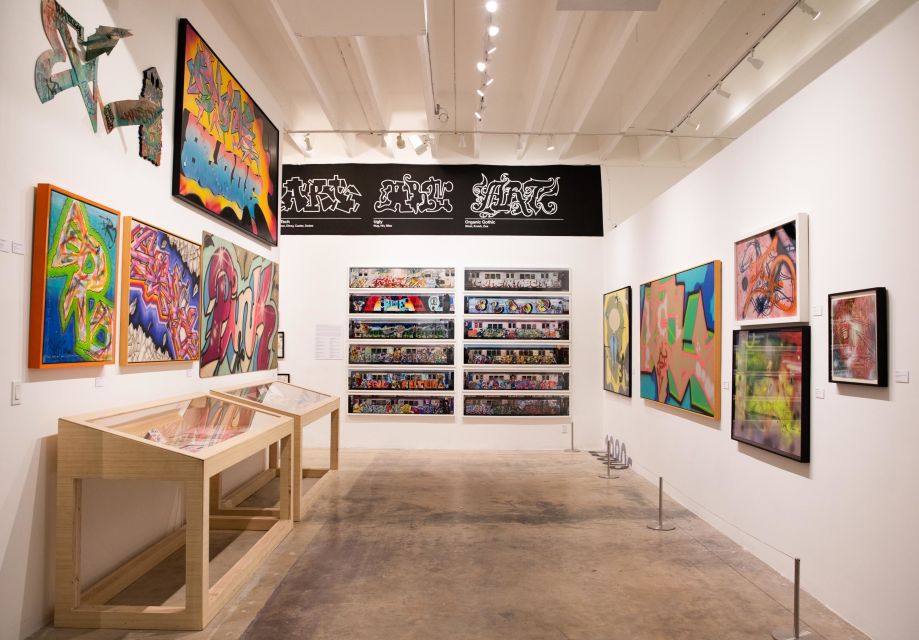
Graffiti is everywhere, but context is rare. This museum is built to do that work for you, placing street art inside a timeline and explaining how it grew into American culture. You’re not just looking at spray paint; you’re tracing ideas as they move into design, fashion, advertising, and gallery walls.
The setting helps too. The museum is in the heart of Wynwood, an area packed with murals by artists from around the world, so your visit doesn’t feel like you’re trapped indoors. You’re learning, then walking through the neighborhood like the museum spilled out onto the sidewalk.
And yes, graffiti can be controversial. That’s exactly why I like this approach: it treats graffiti as an artistic movement with history, influence, and many individual voices—not just as vandalism or decoration.
You can also read our reviews of more museum experiences in Miami



Indoor galleries: your chronological walk through US graffiti
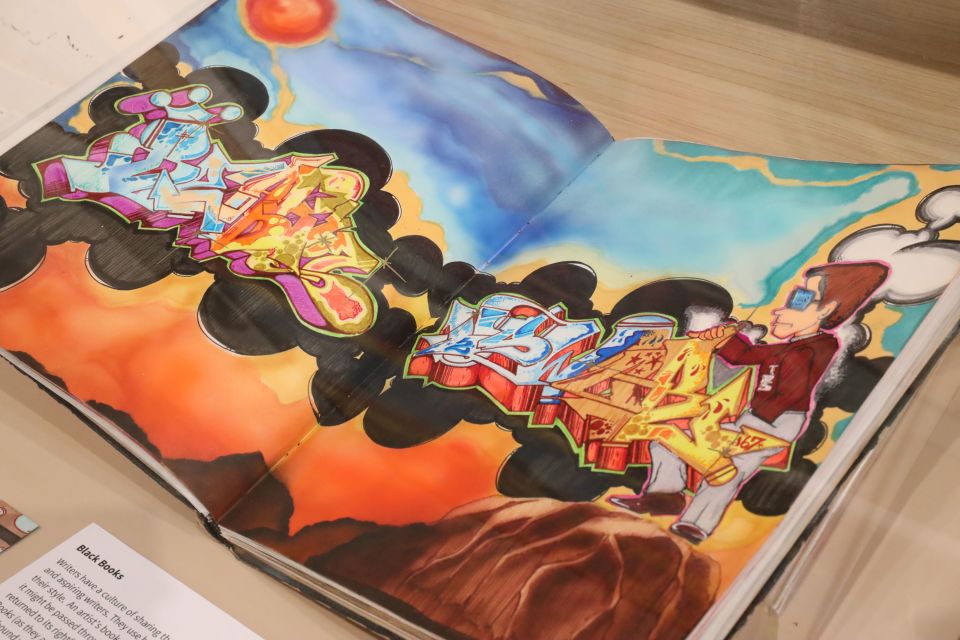
The indoor part is where the museum’s brain is. You’ll get a chronological journey that starts with graffiti’s humble origins and follows how the movement spread into mainstream American culture.
Here’s what you can expect inside:
- An indoor exhibition space set up to guide you through the story in order
- Artwork by hundreds of artists, with standout names including Kaws, Futura 2000, Dondi White, Phase 2, and Rammellzee
- A fine art gallery that signals graffiti isn’t only street-level—it’s also collected, exhibited, and discussed as art
A useful detail: the museum has guides available throughout the exhibition. When you’re reading a scene and thinking, I get the look, but what’s the meaning?, a guide can help you connect the dots. That matters because graffiti often communicates through style, location, references, and community—things you won’t always catch from a quick glance.
Also, the museum’s mission is preservation and celebration. It was formed to preserve graffiti’s history and celebrate its emergence across different creative industries. If you like cultural history that connects art to the real world—ads, fashion, design, galleries—this format is a good fit.
Wynwood outside: how the twelve murals change your perspective
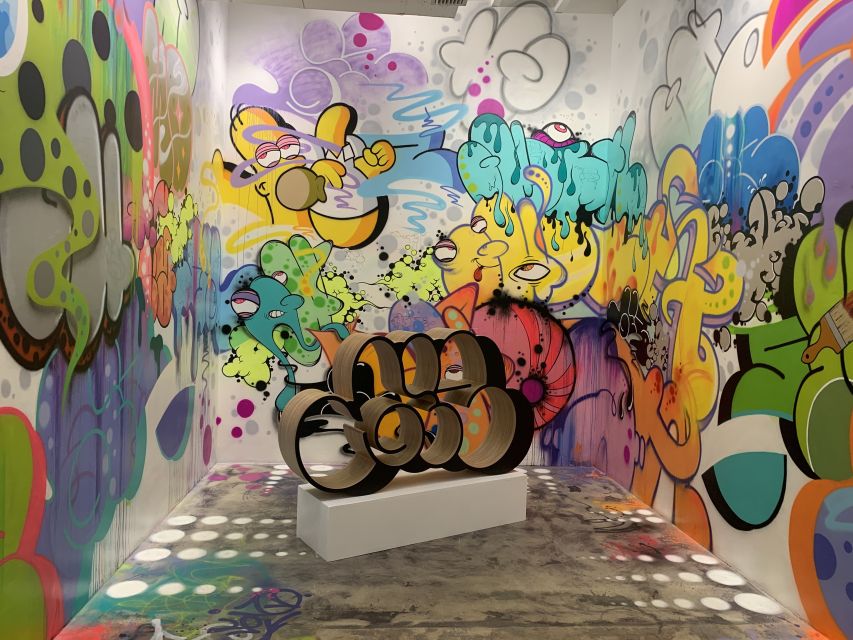
The museum experience doesn’t stop at the door. You’ll also see twelve exterior murals tied to the collection and story. That shift—from climate-controlled rooms to open air—changes how the work feels.
Indoors, you’re in learning mode: chronology, references, and artist context. Outside, you’re in observation mode: scale, texture, and how the art interacts with its neighborhood. It’s easier to understand graffiti as a living language when you see it on actual walls, not just framed photos.
One practical note: since the museum is in Wynwood, you’re also surrounded by murals by artists from around the world. So even if you’re mostly there for the museum’s curated murals, the neighborhood itself can keep you busy after you finish the indoor parts.
Keep in mind a key detail: Wynwood Walls admission is not included. This museum sits near that mural hub, but it’s still a separate ticket if you want to go there. I’d plan your day so you don’t accidentally count on those walls being part of the same admission.
The audio tour narrated by Ket: how to get more out of every stop
One of the smartest features here is the audio tour narrated by Ket, the museum’s co-founder. It gives you a way to stay oriented while you move through the museum’s timeline.
Why that matters: graffiti can be visually busy. Without context, it’s easy to enjoy the look and miss the “why.” The chronological structure of the tour helps you connect early origins to later cultural influence—how the movement changed as it touched design, fashion, and advertising.
Using the audio tour well is simple:
- Start it early so the story has a foundation before you hit the biggest murals
- Pause when you see a name you recognize, especially if you spot artists like Futura 2000 or Phase 2
- When you finish a room, take a second to connect what you just learned to what you’ll see outside
Even if you skip some segments, the tour is still useful because it turns random-looking visuals into a sequence. That’s what turns a “cool exhibit” into something you’ll remember.
And if you’d rather move faster, you can take a self-guided tour instead. Artist-led tours are available too, which can be great if you want a more conversational explanation instead of an audio track.
Art you’ll recognize: big names and why they matter
The museum includes artwork by hundreds of artists, and it also highlights specific artists you may have seen elsewhere. Names like Kaws, Futura 2000, Dondi White, Phase 2, and Rammellzee give you anchor points.
Those anchors are valuable because they act like a bridge between street culture and the art world. You see the movement not as an isolated underground thing, but as a creative force that multiple artistic styles and audiences have intersected with.
If you’re new to graffiti history, these big names can make the timeline feel less intimidating. If you already know graffiti, the museum can feel like a spotlight: your familiarity gets rewarded with deeper framing.
Either way, I’d treat the indoor exhibit as your foundation. Then let the exterior murals test your understanding in real space.






Fine art gallery and the gift shop: what to do after the learning
The museum includes a fine art gallery, which helps reinforce that this isn’t only about street visuals. It’s also about interpretation: how graffiti is presented, collected, and discussed as fine art.
After the galleries, don’t rush past the shop. The museum has a world-class gift shop stocked with limited-edition merchandise, plus exclusive items from top graffiti artists. If you care about taking a piece of the experience home, this is one of the better places in Wynwood to do it without guessing what’s authentic or thoughtfully made.
If you’re on a tight schedule, set a time limit before you enter the shop. Limited-edition items can be easy to browse forever—especially if you start spotting prints or items linked to artists in the exhibit.
Timing and logistics for a 1-day visit that doesn’t feel rushed
This experience is listed as 1 day, and tickets are valid for that day. You’ll want to check starting times, because the exact start can affect how much daylight you have for outside murals.
The museum experience includes:
- Admission to all exhibitions
- Indoor exhibition space
- Twelve exterior murals
- A fine art gallery and access to the museum experience flow
You can also expect that guides will be around to provide context and answer questions. That’s helpful if you’re the type who likes to ask, why did they choose this style or reference?
A few practical rules that affect your comfort level:
- Food and drinks are not allowed inside
- Pets are not allowed (assistance dogs are allowed)
- The experience is wheelchair accessible
- Ticket line is skipped
Because food and drinks aren’t allowed, I recommend planning to eat before you arrive or after you finish. And since you’re in Wynwood, you’ll likely want to build buffer time so you can take a slow walk among the murals in the area without feeling like you’re sprinting back to the museum.
Price and value: is $16 a fair deal?
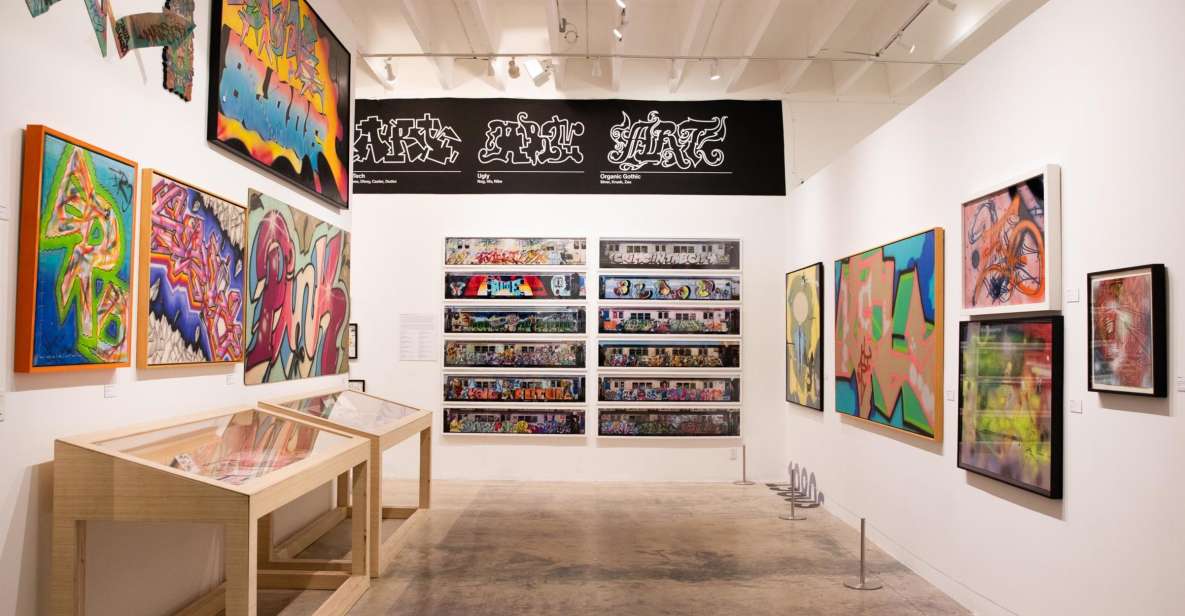
At $16 per person, the value is strongest if you use what the museum offers beyond simple photo-taking. Admission gets you into all exhibitions, plus the outdoor murals are part of the same museum experience. That combination—indoor context plus exterior visuals—helps justify the price better than a strictly indoor exhibit would.
Also, you’re not just buying access to walls. You’re getting:
- A chronological narrative of graffiti’s rise in the United States
- Coverage of how graffiti influenced design, fashion, advertising, and galleries
- A chance to see artwork by hundreds of artists, including high-recognition names
- The convenience of skipping the ticket line
That said, the main reason people may feel disappointed isn’t the price—it’s expectations. The museum can feel small and not extremely interactive. If you want a large, hands-on museum experience with lots of activities, this may not fully scratch that itch.
Who should book this, and who might skip it
Book it if you:
- Like art history that connects street culture to mainstream creative industries
- Enjoy walking a timeline—origin to influence—in a logical order
- Want to see named artists like Kaws and Futura 2000 placed in a broader movement
- Plan to spend time in Wynwood anyway, since the museum sits in the mural zone
Consider skipping or adding something else if you:
- Want lots of hands-on or interactive activities
- Are hoping for a huge museum campus rather than a compact, focused visit
- Only care about Wynwood Walls specifically (since that entrance isn’t included here)
Should you book the Museum of Graffiti admission?
If you like street art but want it explained—how it started, how it changed, and why it matters—this is a strong yes for a one-day stop. The audio tour narrated by Ket and the indoor-to-outdoor format make it easy to get more than surface-level enjoyment, even when you’re not an expert.
I’d book it when you’ll also have time in Wynwood for extra mural wandering, and I’d budget mentally for the museum to feel compact. If that size is exactly what you want, $16 is a solid value.
FAQ
What does the admission include?
Admission includes access to all exhibitions at the Museum of Graffiti.
Does this ticket include entrance to Wynwood Walls?
No. Entrance to the Wynwood Walls is not included.
How long is the experience?
It’s valid for 1 day.
Is there an audio tour, and who narrates it?
Yes. The highlight is an audio tour narrated by the museum co-founder, Ket.
Are food and drinks allowed?
No. Food and drinks are not allowed.
Are pets allowed?
No. Pets are not allowed, but assistance dogs are allowed.
Is the museum wheelchair accessible?
Yes. The experience is wheelchair accessible.