REVIEW · MIAMI
La Perle de Miami: Little Haiti History, Culture, Tour
Book on Viator →Operated by Tap Tap Tours · Bookable on Viator
Little Haiti has layers most maps ignore. This guided stroll is a focused way to understand the neighborhood through people, food, and places you can’t really spot on your own. You start at the Little Haiti Cultural Complex and you’re kept moving with a local guide, including traditional Haitian snacks along the way.
I especially like how the tour leans practical instead of purely theatrical. You get stops such as the cultural center, a locally owned bookstore, and community-facing spots that explain how the area works day to day. I also like that the guide is bringing specific context, including the history of Haitian immigration to Miami and how the community formed over time, not just general background.
One thing to consider: this is a short, weather-dependent walking experience, and there’s enough walking that you’ll want comfy shoes. Also, small but real caution from past scheduling issues means you should confirm the day-of start details so you don’t get stranded at the meeting point.
In This Review
- Quick take: what makes La Perle de Miami different
- Getting oriented at the Little Haiti Cultural Complex
- The 90-minute format: what you can realistically cover
- Cultural center and bookstore: where the neighborhood explains itself
- Haitian snacks: the taste test that makes the stories stick
- Beyond South Beach: history that connects to today
- Vodou, Creole language, and living culture stops
- A route that mixes places: market, farm-style home, and art stops
- Price and value: why $50 can feel fair
- Logistics that help: meeting point, transit, and comfort
- Who should book this tour
- Should you book La Perle de Miami (Little Haiti History, Culture, Tour)?
Quick take: what makes La Perle de Miami different
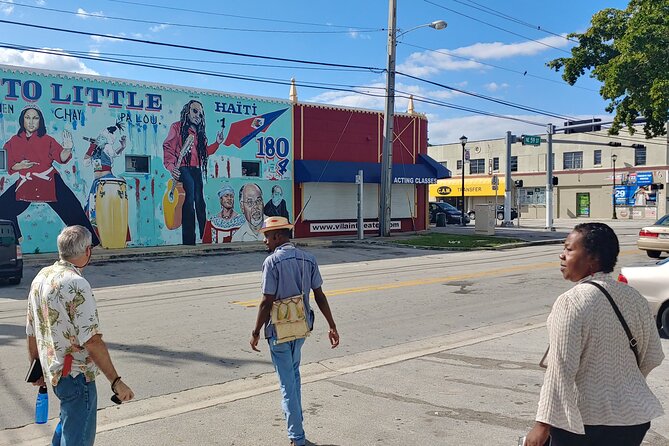
- Local-led storytelling focused on Little Haiti’s history, language, and community pressures
- Food included, including Haitian snacks like patty and Haitian ice cream on some routes
- Real community stops such as the cultural center and a locally owned bookstore
- Conversation-friendly pace that works well if you like asking questions
- A route beyond one street, often combining walking with short drives around the neighborhood
- Short time window (about 90 minutes), so you’ll want to arrive ready to see a lot
Getting oriented at the Little Haiti Cultural Complex
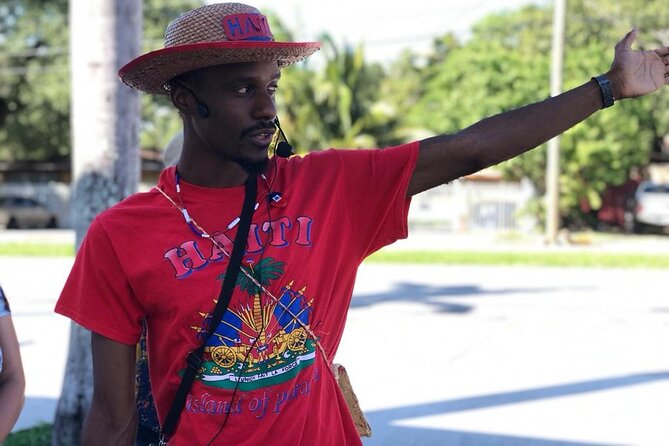
The tour starts at the Little Haiti Cultural Complex, 212 NE 59th Terrace. That matters more than it sounds. This is the kind of meeting point that signals you’re not just “passing through” Little Haiti—you’re being introduced from the neighborhood’s own cultural hub.
From the first moments, your guide sets tone: you’re walking with someone who grew up or works closely with the community, not just someone reading a script. If you care about how immigrant communities build institutions—churches, art spaces, markets, libraries—this is a great starting frame.
Because the tour ends back at the same meeting spot, you don’t have to worry about backtracking or figuring out transportation at the end. You can also plan a meal nearby without a stressful scramble.
Practical tip: if you’re using public transit, plan a little extra buffer time to avoid arriving rushed. This is a “show up on time and start together” kind of tour.
You can also read our reviews of more historical tours in Miami



The 90-minute format: what you can realistically cover
This is an approximate 1 hour 30 minutes experience, with an admission ticket included in that block. For a tour focused on neighborhood context, that’s a good length. It’s long enough to connect history to current life, but short enough that you won’t feel trapped for half a day.
The route typically mixes:
- Walking segments through Little Haiti’s streets and key community locations
- Short drives around the neighborhood on some days, so you can cover more ground without turning it into a long hike
You’ll usually get a mix of structured stops (cultural sites, bookstores, markets) and narration while you’re en route. If you’re the type who likes to understand why a place looks the way it does—rather than only what it looks like—this format works.
Group size is capped at up to 50 people, which is large enough to be lively but small enough that guides can still manage attention. If you want quieter one-on-one time, you may still prefer private tours, but for this price and time, this is a reasonable crowd.
Cultural center and bookstore: where the neighborhood explains itself
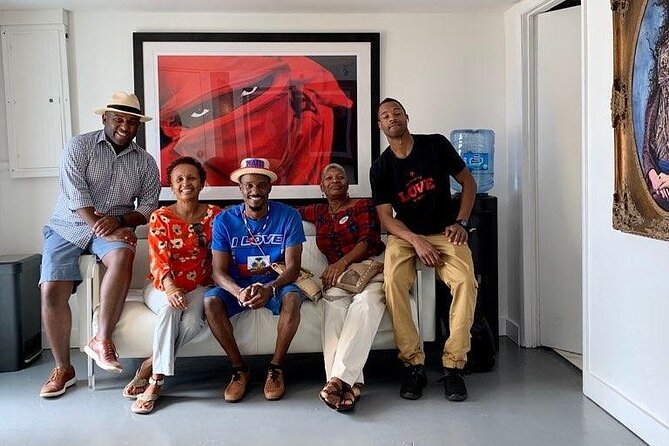
One of the most praised parts of this tour is the stop at the Little Haiti Cultural Center. This is where you’ll see how culture gets organized and preserved—through exhibitions, community activities, and ongoing programming rather than one-off “tourist attractions.”
A related favorite stop is the locally owned bookstore. That’s not a random retail stop; it’s a signal. Language, publishing, and local authors are part of how communities keep control of their stories. In Little Haiti, Creole language and Haitian history come up naturally, and a bookstore is a practical place to ground those ideas.
A good sign that you’re on the right track: your guide can point out how these institutions relate to identity and advocacy, including what’s at stake when development pressure increases.
Possible drawback: like any tour that includes indoor cultural stops, you may spend some time waiting your turn to enter or group around. It’s usually brief, but it can affect pacing if you’re the type who hates pauses.
Haitian snacks: the taste test that makes the stories stick
Yes, traditional Haitian snacks are included. And yes, that matters. Food stops on tours can sometimes feel like a “coupon moment.” Here, they act like a cultural anchor. When you taste something like Haitian patty or Haitian ice cream, the narration lands faster because you can connect it to daily life.
From past experiences, I’d expect something along these lines depending on the day and the route: Haitian desserts and savory snacks, with the guide explaining what you’re eating and how it fits the neighborhood. On at least one run, the ice cream and patty were singled out as highlights, which tells me the snack component isn’t an afterthought.
Quick guidance for you: if you’re sensitive to strong flavors or you have dietary restrictions, ask about what’s being served before you commit. The tour data confirms snacks are included, but it doesn’t list menu details.
Beyond South Beach: history that connects to today
If your goal is to explore Miami beyond the obvious postcard zones, this tour is built for you. Little Haiti is a neighborhood with ongoing change, and your guide’s job is to connect the dots between Haitian history, immigration, and what you can see now.
Expect themes like:
- how Haitian families and communities formed in Miami over time
- the role of language (including Haitian Creole) in identity
- community institutions built to preserve culture
- current pressures like gentrification and over development, which the guides often address directly
This is where named guides from past experiences add real value. On different days, guides such as Abraham (also going by Abe) and Cedelka have been praised for strong storytelling and for taking questions seriously. Another guide, Antoine, was credited with both friendliness and depth—especially around learning history and seeing cultural sites.
One of the reasons people leave satisfied is that the tour doesn’t just list dates. It ties history to visible places and living routines—markets, shops, and community centers—so the story feels grounded.






Vodou, Creole language, and living culture stops
Some versions of this tour go further than “heritage wall.” On select routes, you might meet or visit a practitioner connected to traditional Haitian religion, including Vodou. You might also hear about Haitian Creole and how language evolves, with examples tied to local education and community institutions.
In a standout account, the tour included a meeting with a linguist involved in opening the first library in Little Haiti and a long conversation about Creole history and language politics. That’s the kind of stop that turns a neighborhood tour into something closer to a field lesson.
You might also see a record shop and an open-air market as part of the day’s route. Those are practical, real-life places. They show you how people shop, socialize, and keep culture moving through everyday habits.
What to consider: these “living culture” moments can feel personal and sometimes emotionally loaded, especially if development pressure and community preservation come up. If you like learning, you’ll likely enjoy it. If you prefer only light sightseeing, you may find parts of the conversation heavier than you expected.
A route that mixes places: market, farm-style home, and art stops
Little Haiti isn’t one single sight. It’s a network, and the tour reflects that.
Depending on the day, the itinerary can include:
- an open-air market where you see active community commerce
- a stop at a Florida State Historic Site
- an art gallery visit, which can change over the year
- a rural home or farm-style setting inside the neighborhood area
On one route, the experience even included time at a Haitian rural-style home in the middle of Miami, which helps explain why the neighborhood feels both urban and culturally anchored. Another account described ending with a meal at Chef Creole, though food stops can vary by day.
If your interest is photography, bring patience. These stops are meant for learning and conversation first. Also, in outdoor market settings, crowds can affect where your group can stand.
If the route ever includes a golf cart option, note that it may depend on the day’s conditions. One past experience mentioned the golf cart wasn’t working, so expect that some days can mean more walking.
Price and value: why $50 can feel fair
At $50 per person for about 90 minutes, the real question is what you’re paying for. Here, you’re paying for more than movement across streets. You’re paying for:
- guided interpretation from someone with local ties
- access to multiple community stops
- snacks included
- an admission ticket included in the tour time
When a tour includes food and multiple stops, the effective value improves quickly. You’re not just paying for narration; you’re paying for curated access and context.
Also, with English offered, it’s accessible for many visitors without needing complicated translation apps. The guide’s ability to explain language and history clearly is part of what people praise most.
Who this price makes sense for:
- you want a guided introduction to Little Haiti without committing to a full day
- you’d rather spend money on understanding the neighborhood than on tickets to faraway attractions
- you like food-based moments that reinforce the story
Who might feel it’s not the best fit:
- you’re only interested in quick photo opportunities
- you want a highly flexible schedule with lots of free time
Logistics that help: meeting point, transit, and comfort
The meeting point is clearly listed and the tour returns there at the end. That’s a helpful detail for planning your day. The location is also near public transportation, which reduces stress if you don’t want to depend entirely on rideshare.
The tour is set for good weather, which makes sense for an outdoor walking component. If weather is poor, you’ll be offered a different date or a refund—so check forecasts when you’re near your tour date.
A few comfort notes:
- wear shoes you can walk in for about an hour and a half
- bring a small bottle of water if it’s warm (the snack is included, but hydration is on you)
- keep your phone charged since you’ll likely want to capture places and details
Service animals are allowed, and most people can participate. If you have mobility concerns, you should still consider how much walking is involved. The data doesn’t specify step-free details, so it’s smart to plan accordingly.
Who should book this tour
This tour fits best if you want an honest neighborhood introduction with real context.
You’ll probably enjoy it if you:
- care about Haitian culture and Miami history beyond the usual tourist map
- like getting the story from a local guide who answers questions
- want a snack-included tour that feels more human than scripted
- prefer a short format that still covers multiple community stops
You might skip it if you:
- hate walking and prefer fully seated experiences
- want only light entertainment with no history or community pressure themes
- can’t do outdoor time in variable weather
Should you book La Perle de Miami (Little Haiti History, Culture, Tour)?
I think this is a solid booking if your goal is understanding Little Haiti, not just passing by it. The combination of cultural stops, Haitian snacks, and guide-led storytelling makes the $50 price feel reasonable for the time. When it goes well, it gives you more than facts—it gives you context you can carry into the neighborhood long after the tour ends.
One caution: because the experience depends on a guide showing up, you should confirm your start time and be ready to contact the operator if anything looks off. If you do that simple step, the risk drops a lot.
If you want a respectful, locally guided way to see Miami’s cultural side, this is one of the better choices on the short list.