REVIEW · MIAMI
Big Cypress National Preserve Self Guided Driving Audio Tour
Book on Viator →Operated by Drive with Action · Bookable on Viator
A swamp road trip with guided audio. This Big Cypress National Preserve self-guided drive uses your phone to play location-based stories so you can explore without a crowd and still feel oriented. I like the offline, no-signal setup that keeps the tour running after you download, and I like that you get lifetime-style access so you can reuse it on future trips.
Between stops, audio directions and cues help you move from one pull-off to the next. You’re also not locked into a rigid schedule: the tour gives suggested stop timing, but you control how long you stay for photos, birds, and the short walks.
One consideration is tech prep. You must download the tour while you’re on strong wifi or cellular, and the experience does not include extra attraction passes or special reservations. If your phone battery is weak, bring a charger, because you’ll use your screen and audio for hours.
In This Review
- Key highlights worth planning around
- Price and value for a self-guided Big Cypress drive
- How the Action’s Tour Guide app works on your phone
- Finding the start: where you begin on 8th Street
- From US Highway 41 to Miccosukee Indian Village: the human story first
- Tree Snail Hammock and the short walks that don’t waste your day
- Wildlife time at H.P. Williams and Kirby Storter boardwalks
- Loop Road and County Road 94: why this swamp became a preserve
- Gator Hook Trail: the only stop that really asks you to get your feet wet
- Finishing touches: Ochopee Post Office, the Reed Visitor Center, and Big Cypress Bend
- How long the whole thing really takes
- Who this Big Cypress audio driving tour fits best
- Should you book the self-guided Big Cypress driving audio tour?
- FAQ
- Do I need cellular service during the Big Cypress audio tour?
- How long does the tour take?
- How much does the tour cost?
- What language is the audio available in?
- Where does the tour start?
- Is the tour guided by a person?
- Does the price include admission tickets or reservations?
- Can I use the tour on future trips?
- What kind of phone setup do I need?
- How do I play the audio in my car?
- What if the audio doesn’t work properly?
Key highlights worth planning around
- Offline maps and audio that keep going without cellular
- Hands-free playback that starts based on your location
- A mix of boardwalks, roadside wildlife viewing, and short trails
- History that stays tied to real places, from US Highway 41 to the Miccosukee Village
- A longer route feel that can stretch from 2–3 hours to 3–5
- One moderately challenging hike (Gator Hook) for when you want effort
Price and value for a self-guided Big Cypress drive
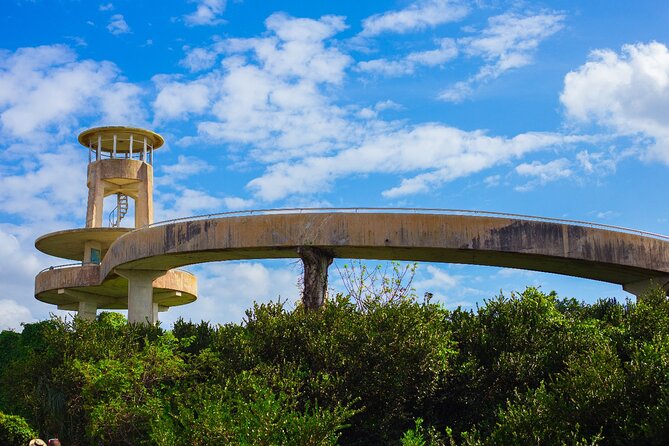
This tour costs $16.99 per group (up to 4 people) and runs about 2–3 hours for the core route. That per-car price matters in Big Cypress, because you’re not paying per head to hear the stories. If you’re traveling with friends or family, this pricing can be a lot easier to stomach than guided options.
Is it a bargain? It tends to be, because you’re buying planning help and narration, not admission tickets. The tour also includes a solid bundle of stop variety: roadside wildlife viewing, a couple of boardwalks, and a short nature trail, plus that one “okay, now we’re walking” hike. For the money, you’re getting structure for a place that can otherwise feel like you’re just driving and hoping.
You can also read our reviews of more guided tours in Miami

How the Action’s Tour Guide app works on your phone
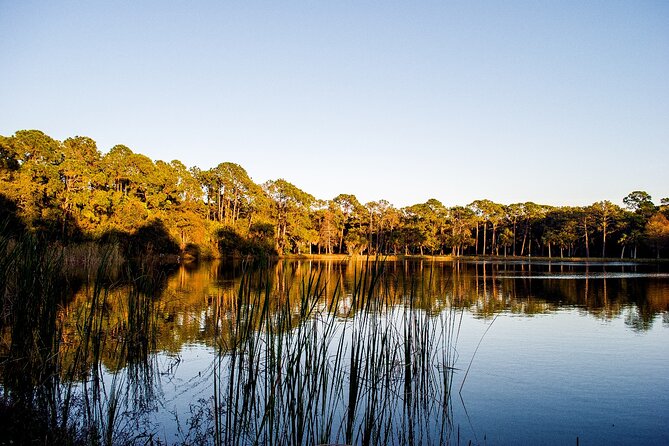
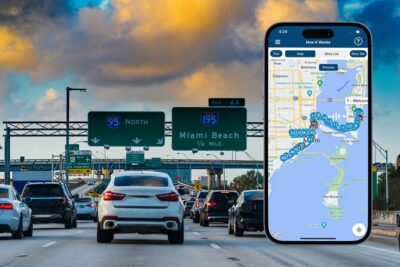
You start by using the Action’s Tour Guide App on your phone once you’re onsite. There’s no person meeting you at the first stop, so you’ll want to be ready to open the app, choose the correct tour version if there are multiple, and then let it guide you from story to story.
Here’s the part that can make or break the experience: you must download the tour while you have strong wifi or cellular. After that, it works offline. That matters because Big Cypress isn’t a place you should bet your day on spotty service.
For listening, you can run the audio through your car using Bluetooth, USB, or AUX, and the setup is also compatible with Apple CarPlay. If you prefer, you can use headphones while walking—especially helpful if you’re stepping out at boardwalks and trails and want clear audio without car noise.
Phone recommendations are also spelled out: an iPhone with iOS 15 or later, or an Android device running version 9 or later, and a tablet option if it has GPS and cellular.
Finding the start: where you begin on 8th Street
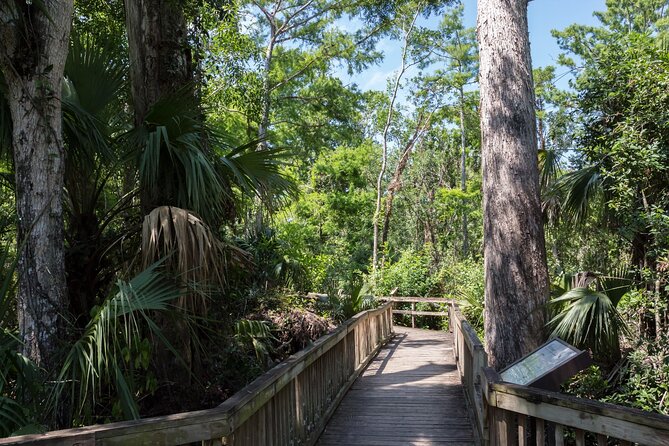
Your tour begins at 29701 Southwest 8th Street in Miami. When you arrive, look for Buffalo Tiger’s boat shop on your right—that’s your visual anchor.
After that, the experience is built around location-triggered audio cues. You’ll be told where to go and what to notice, and the audio will start automatically as you reach each story point. If you ever hit audio issues, the support option is available through the app, but the usual fix is simply confirming you launched the correct tour and that you’re following the route and speed limits.
The tour also ends back at the starting point, so you’re not left wondering where your car is in the end.
From US Highway 41 to Miccosukee Indian Village: the human story first
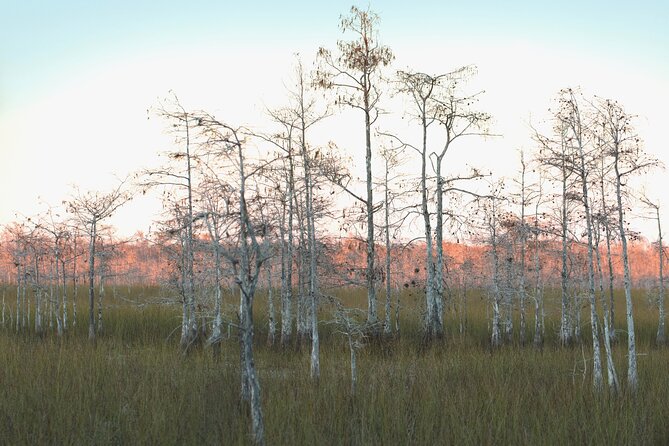
The first story spot is along US Highway 41, and it sets the tone by focusing on Indigenous presence in South Florida. The narration connects the region’s tribes over time, naming the Miccosukee and also calling out the Calusa. It also brings in the Seminole as descendants of Creek people from Georgia. This is a helpful way to get your bearings before you spend hours in the wetlands and boardwalks, because you start to see the land as a long-used home rather than a scenery backdrop.
Then you move to Miccosukee Indian Village, where you can actually step into a living community setting. The village is run by Miccosukee tribe members and includes Native arts and crafts along with a museum focused on their history. The story angle here is direct and specific: during the Indian Wars in the 1800s, about 100 Miccosukee people fled into the Everglades to avoid being captured. If you enjoy learning that feels grounded instead of abstract, this stop is one of your best “place-to-people” connections.
A practical note: this is also a good moment to decide how much walking you want that day. You can browse calmly without committing to a hike, and you can fuel up before the more outdoorsy sections.
Tree Snail Hammock and the short walks that don’t waste your day
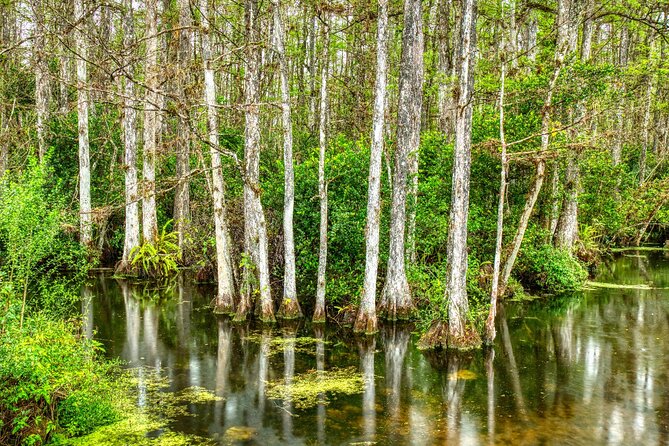
Next up is Tree Snail Hammock Trail, described as a quarter-mile loop through hardwood forest. The loop can take about five minutes if you’re just stretching your legs, but the area is set up for lingering. The draw is simple: this is where you have a chance to spot the elusive tree snail.
Even if you don’t find it, I like this kind of stop because it gives you a reset. You’re switching from driving to moving on foot for a brief stretch, which helps your legs after sitting in the car. It’s also a reminder that Big Cypress isn’t only about big wildlife—you can look for small, seasonal signs too.
You can also read our reviews of more tours and experiences in Miami





Wildlife time at H.P. Williams and Kirby Storter boardwalks
If you want to maximize your wildlife odds without turning the day into a fitness plan, this tour delivers two strong roadside parks with boardwalks.
First is H.P. Williams Roadside Park. You’ll get a boardwalk along a waterway that’s described as a favorite haunt for alligators and turtles, with the possibility of seeing occasional snakes too. Bird watchers get their moments as well, with herons and egrets wading in the water and hawks perching above. The best part is the effort-to-reward ratio: you can stay mostly on the boardwalk and still scan for movement.
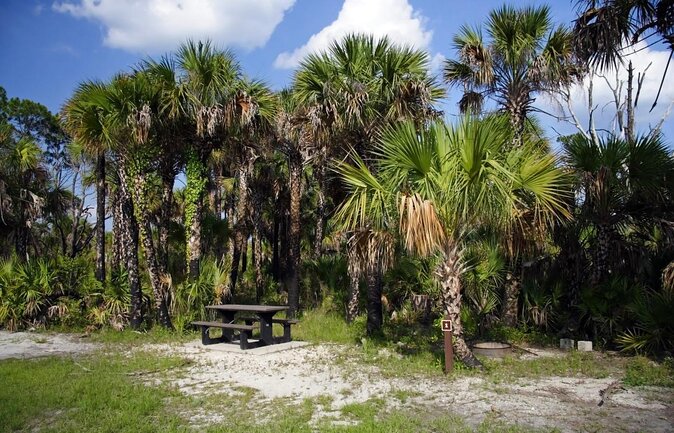
Then comes Kirby Storter Roadside Park, which is one of the most iconic stops in the Big Cypress area on this route. The main attraction is a mile-long boardwalk that runs through lush hardwood and cypress trees. It’s shaded and green, which is exactly what you want in warmer months or when the sun feels relentless. If your group includes at least one person who doesn’t want longer hikes, this boardwalk is the easiest compromise.
My advice: when you reach either boardwalk, slow down. Don’t just walk through at car speed. Stand for a minute, look for stillness, and scan the waterline and tree branches. That’s where animals show up when they know you’re not rushing them.
Loop Road and County Road 94: why this swamp became a preserve
Now for the “how did this happen” part of the drive.
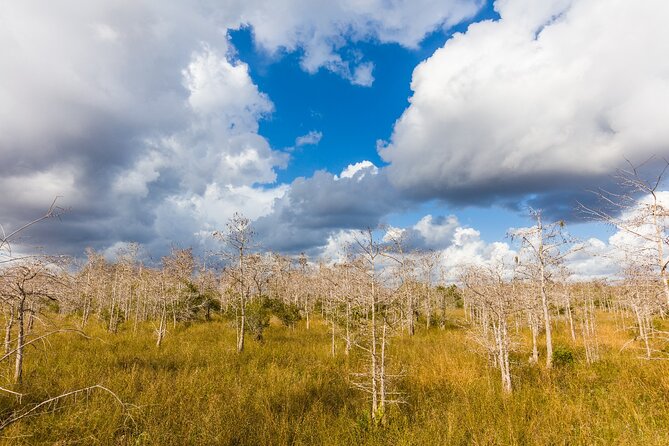
You’ll get a story tied to Loop Road, including why it was built. The narration points to 1915 and credits Miami businessman James Jaudon with the idea of creating a highway cutting across the South Florida swamp so goods could move more easily. That detail helps you understand why the roads here matter. These aren’t just random curves; they’re the bones of a transportation vision that shaped the region.
Next is County Road 94, where the tour explains how Big Cypress ended up protected. The story starts with the Everglades becoming a national park in the 1940s. At that time, the federal government couldn’t purchase the land from private owners, so it wasn’t included—and that made it vulnerable to development. In the 1960s, there was a plan to build the Big Cypress Jetport, described as a project that would have been the largest airport in the world. This is the kind of history that makes your later nature time feel more meaningful, because you understand what changed between development plans and conservation outcomes.
Gator Hook Trail: the only stop that really asks you to get your feet wet
If you only want easy walking, you can treat Gator Hook Trail as optional. But if you’re up for a more physical experience, this is where the tour gets memorable fast.
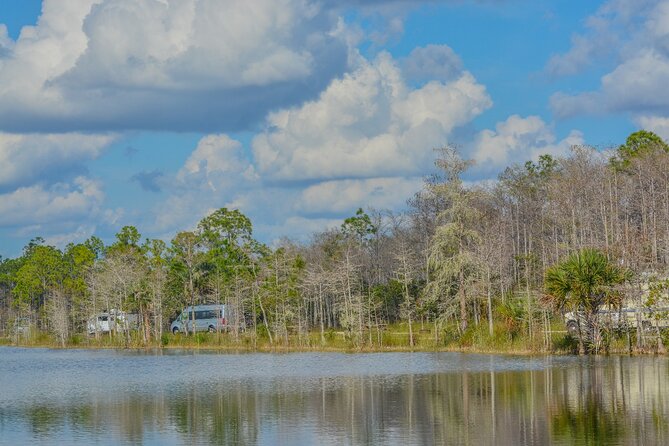
The hike is 5 miles round trip and labeled moderately challenging. It starts on dry land, but it doesn’t stay that way. You’ll step into water—described as ankle-deep at first—then wade deeper until you reach knees. For shorter travelers, it may reach hips.
This stop is also where you should be realistic about footwear. Based on the trail description, I’d plan on shoes that can handle wet conditions. You may want water-friendly footwear and a way to keep your phone and keys protected, especially if you’re expecting ankle-to-knee wading.
Timing-wise, don’t treat the “10 minutes” stop cue as your walking plan. That cue is more like a waypoint than a hike duration. Give yourself extra time and a conservative pace.
Finishing touches: Ochopee Post Office, the Reed Visitor Center, and Big Cypress Bend
As the tour winds down, you get a set of stops that feel special even if you’re not a hardcore hiker.
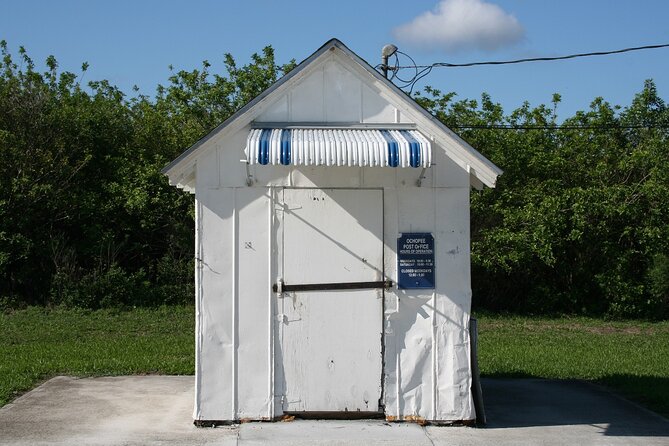
The Ochopee Post Office is near 38000 Tamiami Trl E, and the narration calls it the smallest post office in North America. If you’re curious about small-town oddities that aren’t just for tourists, this is your moment. The tour notes that if you want a letter or item postmarked, they’re usually happy to do it, which makes this stop more than a photo op.
Then you reach the Nathaniel P. Reed Visitor Center near the end of the tour. You’ll find typical visitor center amenities, and there are paintings by Sam Vinikoff, an Everglades artist. The building itself is also described as designed with energy conservation in mind, so it’s a chance to learn something while you rest your legs and reset before any final boardwalk.
Finally, you add Big Cypress Bend Boardwalk, about ten miles from the visitor center. This one is a half-mile boardwalk through an old-growth cypress grove. It’s presented as iconic Big Cypress scenery, and the length makes it a good last stop if you want something lush and calm rather than another long hike.
How long the whole thing really takes
The tour is described as over 42+ miles long with 27+ audio stories, usually taking about 2–3 hours. But there’s also mention of a longer 48+ mile essentials route that can stretch to 3–5 hours. In practice, the difference comes down to two things: how long you linger at boardwalks and how much time you spend on the hike.
If you do the easy stops plus quick photos, you’ll likely land closer to 2–3 hours. If you treat each boardwalk like a birding station and add extra time for the water-wading hike, plan for the longer end.
Who this Big Cypress audio driving tour fits best
This tour fits best if you like:
- Driving on your own schedule and not waiting on a group
- Outdoor stops with a mix of wildlife spotting and short walks
- Learning that’s tied to specific locations, like the Miccosukee Village and US Highway 41 story
It’s especially good for car groups, since the price is per group up to four people. It’s also a solid option for a return trip because the tour is marketed as new, lifetime access with no expiry, meaning you can run it again without repurchasing.
If you strongly dislike apps or you’re traveling with a phone that can’t handle downloads, this might feel annoying. Tech setup matters here, and you’ll want your phone ready before you enter low-signal areas.
Should you book the self-guided Big Cypress driving audio tour?
I’d book it if you want a guided-feeling Big Cypress day without giving up control. The story pacing helps you notice things you’d otherwise miss, and the boardwalk-heavy design keeps it approachable for mixed groups. When you want a workout, Gator Hook is there; when you want an easy win, Kirby Storter and H.P. Williams deliver.
Skip it if your priority is pure simplicity with zero phone dependence. You can’t just drive and guess—the best experience comes from downloading the app first and letting the audio do its job.
FAQ
Do I need cellular service during the Big Cypress audio tour?
No. After you download the tour while you have strong wifi or cellular, it works offline.
How long does the tour take?
It’s about 2–3 hours for the main route, though a longer version covering essentials is described as taking about 3–5 hours depending on how you go.
How much does the tour cost?
It’s $16.99 per group (up to 4).
What language is the audio available in?
The tour is offered in English.
Where does the tour start?
It starts at 29701 Southwest 8th Street in Miami. You should see Buffalo Tiger’s boat shop on your right.
Is the tour guided by a person?
No. It’s self-guided, and you start the audio in the app when you’re onsite.
Does the price include admission tickets or reservations?
The tour does not include attraction passes, entry tickets, or reservations.
Can I use the tour on future trips?
Yes. It’s marketed as new lifetime access with no expiry, so you can use it anytime on any trip.
What kind of phone setup do I need?
You’ll use Action’s Tour Guide App. The guide recommends an iPhone with iOS 15 or later, Android 9 or later, or an iPad/tablet with GPS and cellular connectivity.
How do I play the audio in my car?
You can connect your phone to your car stereo using Bluetooth, USB, or AUX. Headphones can also help while walking.
What if the audio doesn’t work properly?
If you face audio issues, you can contact support through the app.