REVIEW · MIAMI
Everglades National Park: Self Guided Driving Audio Tour
Book on Viator →Operated by Drive with Action · Bookable on Viator
Everglades, narrated by your own drive. This is a hands-free, location-triggered audio tour that guides you to classic wetlands stops, boardwalks, and lookouts while you drive at your own speed. I like that the audio works with offline maps, so you are not stuck hunting for signal when the park eats phone service.
What really sells me is the value formula: it is $16.99 per group (up to 4), so one purchase can cover everyone in your car. The route is also built for flexibility, with short walks and detours like Anhinga Trail and Mahogany Hammock Road, so you can choose what to do and how long to linger. The main drawback to think about is the tech start: you must download the tour using strong wifi or cellular, and the opening can feel confusing if you do not arrive ready with the app set.
In This Review
- Key things to know before you drive
- Price and the park-pass reality
- Florida City start: how to avoid a slow first hour
- How the audio tour keeps you moving (and still lets you stop)
- The route: 48+ miles of Everglades stops in about 2–3 hours
- Stop 1: Anhinga Trail boardwalk loop
- Stop 2: Christian Point Trail for a quieter shoreline view
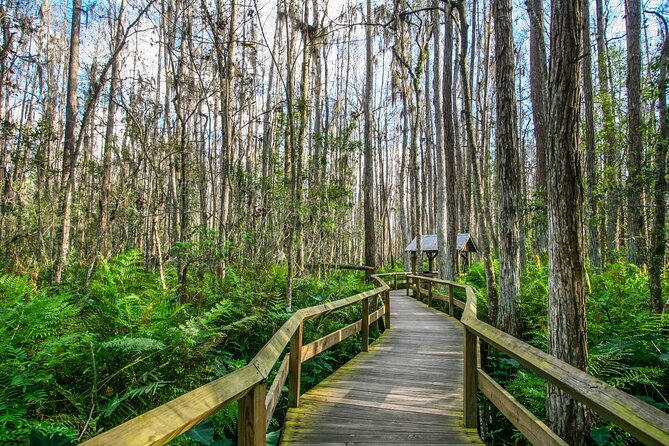
- Stop 3: Mahogany Hammock Road and the boardwalk through hardwood jungle
- Stop 4: Everglades Outpost wildlife rescue
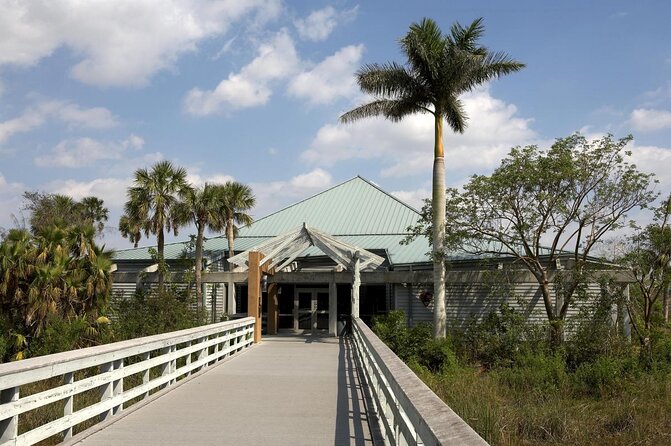
- Stop 5: Ernest F. Coe Visitor Center and the park’s conservation turning point
- Stop 6: West Lake Trail boardwalk for “ripples on water” wildlife spotting
- Stop 7: Main Park Road and the names behind the park
- Stop 8: Pa-Hay-Okee Lookout Tower for panoramic river-of-grass views
- Stop 9: Gumbo Limbo Trail shaded paved loop
- Stop 10: Nine Mile Pond Canoe Trail (only if you paddle)
- Stop 11: Everglades National Park welcome stories
- Stop 12: Snake Bight Trail (the one with the name confusion)
- Stop 13: Pineland Trailhead for the endangered ecosystem vibe
- Stop 14: Flamingo Visitor Center for services and rentals
- Stop 15: Eco Pond Trailhead for birds-on-the-pond energy
- Getting the audio right in the real world (car, Bluetooth, and glitches)
- Best fit: who this self-guided driving audio works for
- Should you book this Everglades driving audio tour?
- FAQ
- FAQ
- How many people can one purchase cover?
- How long does the tour take?
- Do I need cellular service for the tour?
- What language is the tour offered in?
- What do I need to access the tour on my phone?
- Does the tour price include Everglades National Park admission?
- Where does the tour start and end?
- Can I reuse the tour on multiple trips?
Key things to know before you drive
- Audio starts by location, not by buttons you have to keep tapping
- Offline audio and offline maps help when cell signal drops
- One purchase per car keeps the price honest for small groups
- A mix of short boardwalks and longer hikes means you can tailor effort
- Canoe option exists at Nine Mile Pond if you have a boat and the water conditions cooperate
- The tour runs about 2–3 hours, with an optional longer pace for stop-and-stroll days
Price and the park-pass reality
At $16.99 per group (up to 4), this is priced like a car kit, not a per-person ticket. That matters in the Everglades because a lot of the “real” time is spent in your vehicle, with small walks at each stop. If you’re traveling with a partner or a couple of friends, you can usually come out ahead versus options that price per person.
One practical point: your Everglades entry is not included. The park requires an entrance fee for seven consecutive days, and that fee is separate from the audio tour purchase. You’ll want that sorted before you head in, so you do not lose momentum once you’re at the gate.
You can also read our reviews of more guided tours in Miami

Florida City start: how to avoid a slow first hour
The tour begins in Florida City at W Palm Dr & 3 Av (FL 33034), and it ends in Flamingo (FL 33034). There is no guide meeting you in a van or booth. Instead, you show up, start the audio in the correct spot, and let the stories roll as you move to each location.
Here’s the workflow that keeps things smooth:
- Download the Action audio tour app and enter the password from your email/text
- Download while you have strong wifi/cellular, then it works offline afterward
- At the first stop, launch the tour and follow the audio cues, with the stories playing automatically when you are at each point
If you have ever used other audio tours, the biggest “gotcha” here is that the meeting point can feel like just a waypoint, not a big, obvious start facility. One common pain is arriving and then realizing the start address is not where you assumed. My advice is simple: take two minutes at home to confirm the exact corner where you will begin, then arrive with the app already downloaded.
How the audio tour keeps you moving (and still lets you stop)
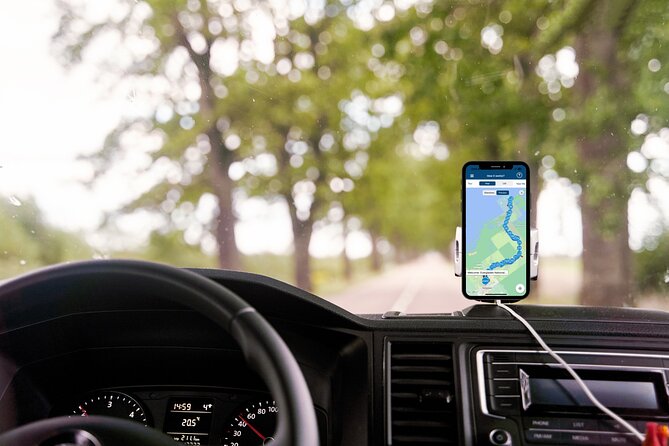
This tour is designed around the idea that you can be both curious and flexible. Audio stories play automatically based on where you are, so you do not need to keep checking a screen to know you reached the next stop. You can pause and replay, and the app gives trail info like length and difficulty at hiking points so you can decide fast whether to do it now.
For driving, the tour is meant to be comfortable hands-free. You can connect your phone to your car stereo via Bluetooth, USB, or AUX. On foot, headphones can help, especially on busy days or if volume gets weird on Bluetooth connections. If sound drops or does not match where you are, the safer move is to check your connection settings and use the in-app text option when audio fails.
I also like that you can “ride it like a playlist.” The pass is valid for up to a year, and you can use it across multiple trips, not just one single day. So if you plan a long weekend, you can spread the park’s stories out instead of rushing them.
The route: 48+ miles of Everglades stops in about 2–3 hours
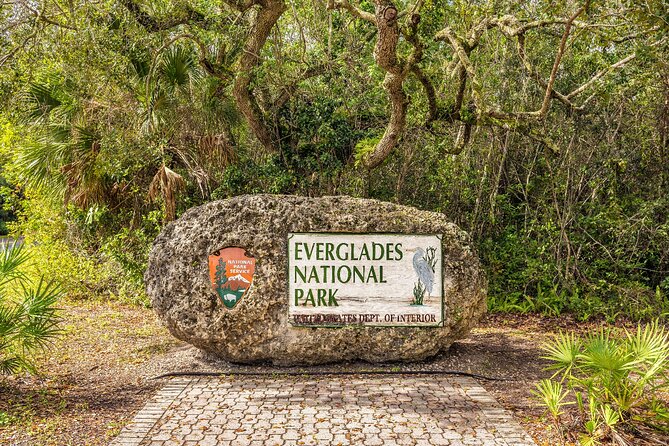
The overall drive covers 48+ miles, with more than 39 audio stories. A typical full pass is about 2–3 hours, though the “essentials” can run a bit longer (around 3–4 hours) if you actually do the short hikes and detours without speed-walking.
Below is the flow you’ll feel as you go from wetlands icons to visitor centers and back toward Flamingo-area highlights.
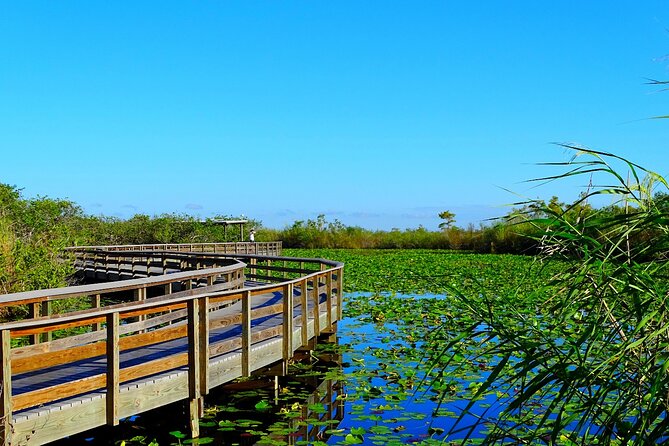
Stop 1: Anhinga Trail boardwalk loop
Anhinga Trail is the big “wow” start for wildlife watching. This mile-long boardwalk loops through sawgrass marsh, which is prime habitat for wetlands birds and the kind of animal sightings that make Everglades trips memorable.
Why I like this stop: it’s short enough to do even if you arrive late or you’re not in hiking mode, but it’s long enough to build momentum. If you’re hoping to see wetlands wildlife, this is the trail for that mission.
Possible drawback: expect crowds on a popular boardwalk. If you need quiet, plan the rest of your route for more secluded walks after this.
You can also read our reviews of more tours and experiences in Miami




Stop 2: Christian Point Trail for a quieter shoreline view
Christian Point Trail is a 4-mile round trip walk. It’s listed as moderately challenging, and the whole point is a wide-open look at the shoreline you can also access from Snake Bight Trail.
Why it’s worth your time: it shifts you from “busy boardwalk” energy into more open viewing, with a longer stretch of walking to cool down and soak in the marsh edges.
Consideration: because it’s a longer walk than the mini trails, it can eat time if you underestimate your pace. If you’re staying on a tight schedule, treat it like your “main hike” of the day.
Stop 3: Mahogany Hammock Road and the boardwalk through hardwood jungle
This is a quick detour to Mahogany Hammock Trail, a half-mile boardwalk through a dense jungle of hardwood trees. One big fact is tied to this spot: it is home to the largest living mahogany tree in the entire United States.
What you’ll notice: the change from marsh openness to thicker forest feel. It’s a different Everglades texture, and that contrast is useful when you want the park to feel like more than one ecosystem.
Possible drawback: because it’s a jungle boardwalk, it can feel hotter and more humid than the open-water stops. Bring water if you’re doing several walks back-to-back.
Stop 4: Everglades Outpost wildlife rescue
At Everglades Outpost, you can visit a wildlife rescue facility with over 200 exotic animals. The story is anchored by Bob and Barbara Freer, who began rescuing and rehabilitating animals in 1991—animals that would otherwise be put down. Their goal is release back into original habitats.
Why I think this stop works: it gives you an “off trail” lesson on what conservation can look like in real life. If you’re traveling with kids or you’re interested in animal-focused learning, this is the most straightforward educational break in the route.
A consideration: this is an animal rescue visit, not a hike. If you want to stay fully outdoors only, you may want to keep the rest of your time hiking and viewpoints-heavy.
Stop 5: Ernest F. Coe Visitor Center and the park’s conservation turning point
Ernest F. Coe Visitor Center puts human history into the story. The Everglades were drained, filled in, and converted to agricultural or residential land. Hunting pressures were also described as rampant and unchecked—so the park’s survival becomes a question of advocacy and action.
What you’ll get from this stop: context that makes the wetlands feel urgent instead of just scenic. If you only listen to stories while driving, this is where you’ll understand why those marsh edges still exist.
Stop 6: West Lake Trail boardwalk for “ripples on water” wildlife spotting
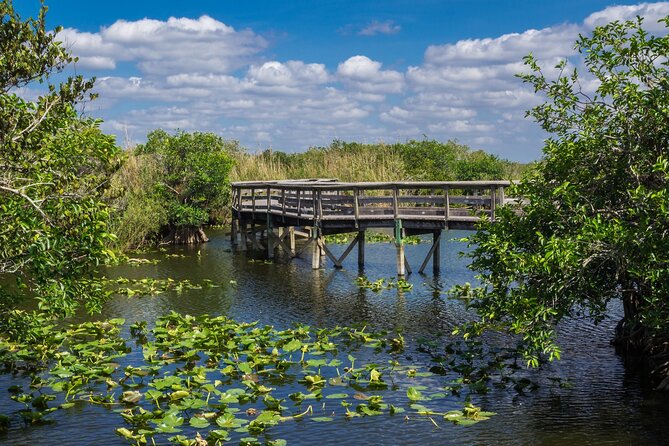
West Lake Trail is a half-mile boardwalk out to West Lake, designed for clear water views even if the water itself is not particularly clear. The audio guide encourages you to look for telltale ripples that could signal an alligator or crocodile swimming across.
Why this one is smart: you’re not just watching from a random turnout. You’re walking out to a specific viewing point that’s meant for animal-detection.
Consideration: marine wildlife spotting is never guaranteed. If you go in expecting certainty, you’ll be disappointed. Go in expecting possibility.
Stop 7: Main Park Road and the names behind the park
This stop connects the Everglades to the people who fought for it. Ernest F. Coe is called the Father of the Everglades, and the audio also brings in Marjory Stoneman Douglas, including her work as a Miami Herald columnist and her advocacy for women’s rights, racial justice, and conservation. The story also notes her efforts with language in the public eye and letters to Congress.
Why this matters: it turns the park from a “place I’m visiting” into a “cause people built.” Those details help your future reading and also make the rest of the audio feel less random.
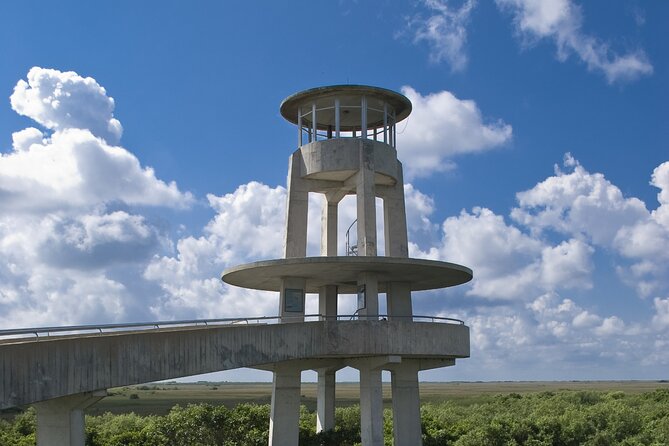
Stop 8: Pa-Hay-Okee Lookout Tower for panoramic river-of-grass views
Pa-Hay-Okee Lookout Tower gives you big-scale perspective on the “river of grass.” It’s reached via a short boardwalk and is described as a quick 5-minute detour.
What you’ll notice: the viewpoint reframes everything you’ve been walking through. It’s hard to appreciate the shape of the Everglades until you can see it from above-ish.
Possible drawback: it’s quick, but it’s still a physical climb/standing experience. If you’re sensitive to heights or just tired, you may want to treat it as optional.
Stop 9: Gumbo Limbo Trail shaded paved loop
Gumbo Limbo Trail is half-mile, paved, shaded, and easy. It runs through a grove of hardwood trees and lush ferns and is doable in about 15 minutes.
Why I like it as a connector: it’s a gentle walk between bigger stops, so your day keeps moving without requiring a big commitment.
Consideration: because it’s shaded and easy, it’s tempting to rush. Give yourself a few minutes to look closely at what’s growing around the boardwalk edges.
Stop 10: Nine Mile Pond Canoe Trail (only if you paddle)
This is the one “different mode” stop: Nine Mile Pond Trail is a canoe trail. If you have a boat, you can paddle a 5-mile loop through shallow grassy marsh. The guide notes water levels are generally high enough in fall and winter, but can vary with drought.
What makes this special: you’re not just observing the marsh, you’re moving through it. That changes what you notice—sound, shoreline shape, and how animals react.
Big consideration: you need the right gear and conditions. If you don’t have a boat, you may just treat this like a viewing/pause point and rely on the other shoreline trails.
Stop 11: Everglades National Park welcome stories
This is the orientation moment. The audio frames the Everglades as a unique, delicate ecosystem and sets expectations for what’s next: natural features, history, and what the future may hold.
This matters because it helps you listen better. Once you know the “why,” the specific animal and plant facts feel more grounded.
Stop 12: Snake Bight Trail (the one with the name confusion)
Snake Bight Trail is about 3.6 miles out-and-back and takes around an hour on average. The guide also warns about the name confusion: it’s B-I-G-H-T, not B-I-T-E. A bight is a kind of bay, which matches what you’ll find as the trail opens onto a scenic bay.
A practical note: it’s also open to bikes except for a brief boardwalk portion at the end.
Why this works: it’s a longer walk that ends with a rewarding shift from shaded jungle to open bay views.
Consideration: if you get audio out of sync, you may need to scroll and re-lock the correct story. One rider reported that getting back online is possible.
Stop 13: Pineland Trailhead for the endangered ecosystem vibe
Pineland Trail is a half-mile paved loop through pine forest, palmettos, and wildflowers. It’s described as the most endangered ecosystem in the Everglades, and the audio paints it as a walk that feels like a primitive rainforest.
Why it’s a good change-up: you’re not only chasing water edges. You’re learning how the Everglades includes habitat types that feel like they should not survive in South Florida, yet do.
Possible drawback: because it is paved and short, it can feel too easy. If you want “effort for reward,” you might still prefer Snake Bight or Christian Point.
Stop 14: Flamingo Visitor Center for services and rentals
Flamingo Visitor Center is where you get amenities like snacks, restrooms, and an information booth. It also offers rentals for canoe or kayak and bicycle rentals.
Why this stop is useful: it can save you from scrambling. If you decide mid-trip that you want to add paddling or biking, this is the point where that option is explicitly available.
Stop 15: Eco Pond Trailhead for birds-on-the-pond energy
Eco Pond Trailhead is a half-mile loop around a small pond that is almost always packed with wading birds, ducks, and songbirds. You should also keep an eye on the water for softshell turtles and alligators.
Why I like it for your last hour: it’s a straightforward wildlife-watching format. You walk a loop, then you pause and scan.
Consideration: “almost always packed” is not a guarantee. But the design gives you multiple angles, which improves your odds.
Getting the audio right in the real world (car, Bluetooth, and glitches)
The audio tour is built for automatic playback, but your phone setup matters. The tour is intended to work offline after downloading, and it can connect to your car stereo through Bluetooth, USB, or AUX. For walking, headphones can be the simplest way to keep sound clear.
Here are the issues to watch for, based on real-world experiences:
- Volume problems at the start can happen via Bluetooth. If the audio is too quiet or cuts, fix settings early.
- Audio not matching your map location has happened. If you notice it, use the in-app options (text is available) or reset your listening position.
- App start confusion can happen if you arrive at the right place but the system does not behave as expected. If audio does not start when it should, lean on the instructions you received and get support if needed.
One smart advantage for bad-weather days: you can still use the tour pass and listen to stories manually in the app without needing to drive the whole route.
Best fit: who this self-guided driving audio works for
I’d put this tour in the “you’ll love it if you want control” category. It fits well if you:
- Like short stops and don’t want to commit to one rigid group schedule
- Want history and wildlife facts without hiring a guide for every hour
- Prefer a car-based plan where you can stop, walk, and then get back in quickly
- Are traveling in a small group and want the per-car price advantage
If you want a guided ranger talk at each location, this won’t replace that. But if you want a smart driving loop that makes the park feel connected, this is the right tool.
Should you book this Everglades driving audio tour?
Book it if you want a self-paced, stop-by-stop way to hit classic Everglades highlights without paying per person, and you’re comfortable using an app. The offline audio/map setup is a major win when you’re deep in park signal dead zones.
Think twice if you hate tech setup on travel days, because the experience depends on downloading the tour ahead of time and getting the audio started correctly at the beginning. Also, if you’re planning to bring a dog, note that one traveler found dogs were not permitted on the trails, so you’ll want to confirm rules before relying on trail segments.
FAQ
FAQ
How many people can one purchase cover?
The tour is priced per group, for up to 4 people.
How long does the tour take?
Plan on about 2–3 hours for the main route, with some stops adding time for walking and detours.
Do I need cellular service for the tour?
No. You download the tour first, then it works offline after that download.
What language is the tour offered in?
The tour is offered in English.
What do I need to access the tour on my phone?
You download the Action Tour Guide App, enter the password you receive by email/text, then start the tour at the correct starting point on site.
Does the tour price include Everglades National Park admission?
No. Park entry fees are required and are not included with the audio tour purchase.
Where does the tour start and end?
It starts in Florida City at W Palm Dr & 3 Av (FL 33034) and ends in Flamingo (FL 33034).
Can I reuse the tour on multiple trips?
Yes. You get lifetime access with no expiry and can use it as many times as you want within up to a year of purchase.