REVIEW · MIAMI
Self-Guided Audio Tour in Florida Keys
Book on Viator →Operated by GuideAlong (GyPSy Guide) · Bookable on Viator
Florida Keys road trips feel bigger than they look on a map. This self-guided audio route lets your phone play stories and directions as you drive, so the drive itself becomes part of the sightseeing.
I especially like the buy-once flexibility: you can start, pause, and resume on your schedule, and you can even begin or end the experience along the route. Second, the tour packs 230+ location-based story points so you get context at real stops, not just a list of names.
One consideration: the audio is GPS-driven, so if your phone’s GPS or volume setup is off, you can miss bits. A small number of people also flagged audio cutting or feeling less continuous in parts of the trip, so it’s smart to have your device fully charged and your sound settings dialed in before you head out.
In This Review
- Key highlights to look for
- Planning a Miami-to-Key West drive with location-based audio
- Price and value: $16.99 per group for a long day of context
- What the app actually gives you (and how it feels on the road)
- Stop 1: Florida Keys drive chapter and how to build your own itinerary
- Stop 2: Bahia Honda State Park for a real Keys beach break
- Stop 3: Anne’s Beach and the value of calm water
- Stop 4: Ernest Hemingway Home and Museum in Key West
- The Key Deer reminder: slow driving is part of the tour
- Stop 5: Key West for compact exploring and big cultural mix
- Stop 6: John Pennekamp Coral Reef State Park for undersea history
- Stop 7: Pigeon Key and Seven Mile Bridge, including the ferry access
- Seven Mile Bridge photo moments from the Marathon side
- Stop 8: Turtle Hospital on Marathon for hands-on conservation vibes
- Stop 9: Key Largo for your first real Key after the mainland
- How to use the tour app without fighting your phone
- Practical tips that make the stops easier
- Should you book this GPS audio tour of the Florida Keys?
Key highlights to look for
- GPS-triggered stories: commentary plays automatically as your phone detects where you are
- Flexible half-day or full-day planning with suggested routes plus your own custom route choices
- Value pricing per group: one purchase covers up to 8 people in the vehicle
- Real Florida Keys anchors: Bahia Honda, Anne’s Beach, Hemingway Home, Key West, Key Deer areas, and more
- Offline-ready: download once over Wi‑Fi or cellular, then tour without service
Planning a Miami-to-Key West drive with location-based audio
This is designed for the way many of you actually travel the Keys: by car, stopping when something catches your eye, and skipping what doesn’t. The audio runs through the GuideAlong app (GuideAlong (GyPSy Guide)), and the best part is that it’s location-based—your phone uses GPS to trigger stories, tips, and directions as you move.
You’re not locked into one strict route timing. The experience is set up for a day-length outing (about 1 day on the schedule), but the in-app planning tools let you shape it into a half-day, full-day, or even multi-day road plan. Since the tour is presented as flexible routes, you can treat it like a set of “chapters” for your drive rather than a rigid checklist.
Start is Miami Beach (Miami Beach, FL 33139) and the tour can take you toward Key West (Key West, FL 33040). You can also start and end anywhere along the route because the commentary follows your location.
You can also read our reviews of more guided tours in Miami

Price and value: $16.99 per group for a long day of context
At $16.99 per group (up to 8 people), the value mainly comes from two things: group coverage and time-saving orientation.
If you have more than one person in the car, the cost per head drops fast compared with doing separate paid experiences. And unlike a brochure, this audio gives you practical context while you’re already in the car—what you’re seeing, why it matters, and what to watch for at the next stop.
Do note that several major attractions have additional entry fees that are not included. In other words, think of the audio as the guide that helps you plan your day and choose smart stops, while you pay separate admission where required (Pigeon Key, Turtle Hospital, and John Pennekamp Coral Reef State Park).
What the app actually gives you (and how it feels on the road)
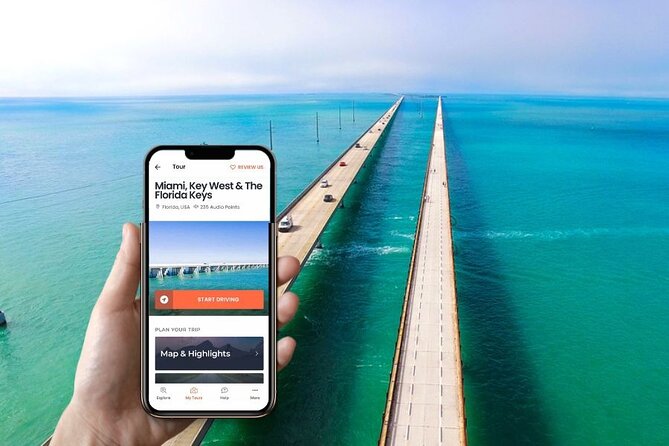
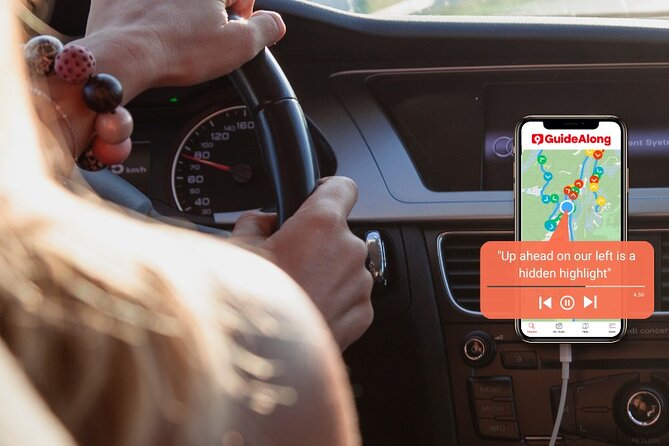
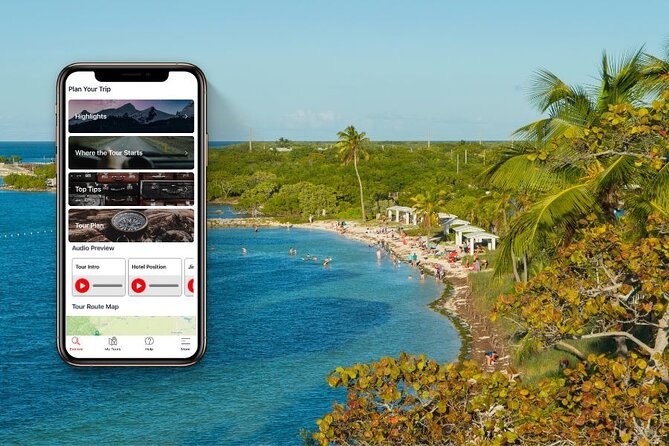
You get a GuideAlong audio package with 230+ points, delivered as stories, tips, and direction prompts. The commentary plays automatically based on your GPS location, which helps you keep moving without constantly checking your phone.
You’ll also get trip planners in-app, plus web and PDF options. That matters because the Keys are all about pacing. If you only have a few hours, you can aim for a shorter loop with the most efficient anchors. If you have more time, you can build a day around beaches and parks instead of treating everything as a quick photo stop.
The tour is offered in English, and once you download it, it works offline. This is a big deal in the Keys, where you might not want to rely on data just to keep the narration running. The setup is also designed for repeat use: it’s a one-time purchase with no expiry and includes free updates.
Stop 1: Florida Keys drive chapter and how to build your own itinerary
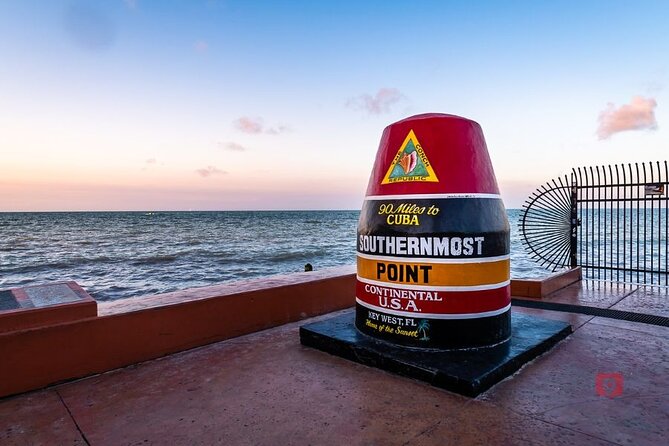
Stop 1 is framed as the Florida Keys route itself, with about 5 hours of flexible time and no ticket required for that portion. This is where the tour earns its keep as an orientation tool.
Because the audio triggers as you drive, you can build your day around your own priorities:
- If you’re here for beaches, you can lean into Bahia Honda and Anne’s Beach.
- If you want history and pop culture, you can plan around Hemingway Home and Key West.
- If wildlife matters, you’ll also want to listen for the Key Deer guidance in the Big Pine Key area.
If you want structure, the in-app planners help you choose a half-day or full-day rhythm. If you want freedom, you can let the narration pull you from stop to stop at your pace.
Stop 2: Bahia Honda State Park for a real Keys beach break
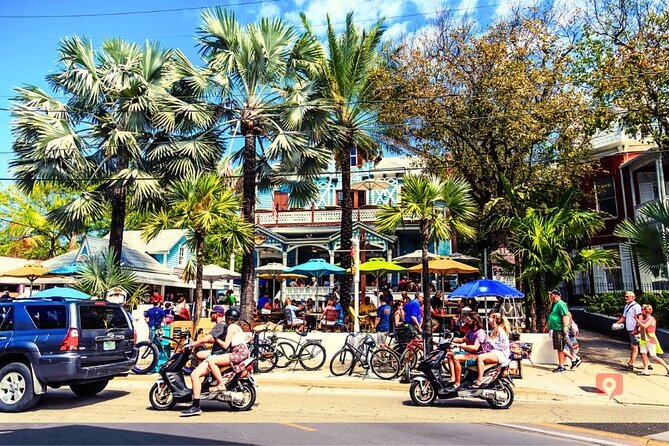
Bahia Honda State Park is often treated as the gold standard beach in the Keys, and this tour highlights it as one of the top beaches in the U.S. You get about 1 hour here, and while the admission ticket isn’t included, the stop is worth building into your drive.
On a warm day, this is the kind of pause that changes the whole mood of a road trip. Instead of scanning the shoreline from the car, you get to slow down, feel the sand between your toes, and cool off in the water.
Practical note: since the audio is GPS-triggered, you’ll want to keep your phone stable while you move through the area so the commentary doesn’t fall behind as you park and walk.
You can also read our reviews of more tours and experiences in Miami




Stop 3: Anne’s Beach and the value of calm water
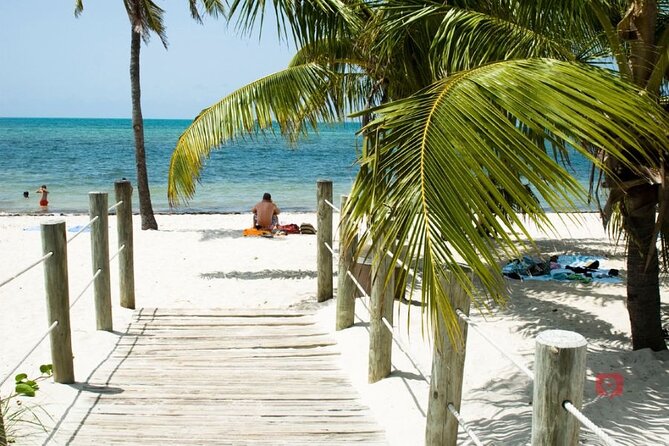
Anne’s Beach on Lower Matecumbe Key is positioned as one of the nicer Keys beaches, with access via a newly replaced 300-foot boardwalk. You’re given about 20 minutes, which tells you the tour is treating this as a quick win stop.
The boardwalk matters because it gives you access without the hassle of rougher paths. The tour also calls out that the water is typically warm, clear, and calm—perfect when you want a short swim or just a photo with the light doing most of the work.
If you’re visiting with kids or anyone who doesn’t want a long beach commitment, this is a strong stop to slot in.
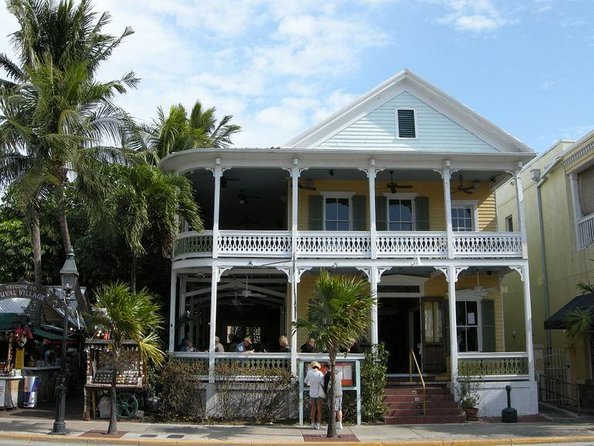
Stop 4: Ernest Hemingway Home and Museum in Key West

This is the cultural anchor in the middle of the Key West story. The tour gives you about 1 hour at the Ernest Hemingway Home and Museum, and admission isn’t included.
What makes this stop especially worthwhile is the mixture of author legend and local detail:
- Hemingway lived in Key West for 10 years
- You can tour the house and gardens
- The tour also points you toward the story of the 40 polydactyl cats descended from Snow White, Hemingway’s famous white six-toed cat
If you’re the type who likes connecting famous names to an actual place, this museum visit turns Key West from pretty streets into something you can explain to yourself as you walk.
The Key Deer reminder: slow driving is part of the tour
You’ll also get an important wildlife chapter tied to the Florida Keys. Key Deer are tiny and endangered, found exclusively in the Keys. The tour points out that hurricanes can be survived by these good swimmers, but today the biggest threat is vehicle collisions.
You’ll see slow driving zones, especially around Big Pine Key. This is one of those moments where the audio feels less like entertainment and more like road safety. Keep an eye on the road, slow down when the zones appear, and use it as a chance to scan the shoulder—wildlife crossings are real here.
Stop 5: Key West for compact exploring and big cultural mix
Key West is given about 4 hours in the plan, with admission ticket free for the general exploring portion. The tour frames Key West as a place that once was the largest city in Florida and as a crossroads close to Cuba and major shipping routes.
What you’ll likely enjoy most in Key West is the mix the tour highlights: American, Cuban, and Latino influences show up in architecture and street life. And because Key West is relatively compact, you can walk and hop between sights without burning half your day just getting around.
A good way to use the audio here is to let it set your walking direction. When the narration cues you to what to look for, you start noticing details—style of buildings, the feel of neighborhoods, and why certain areas became important.
Stop 6: John Pennekamp Coral Reef State Park for undersea history
John Pennekamp Coral Reef State Park is the big-water outdoor stop in the plan, set for about 2 hours. Admission isn’t included, and the tour flags the fee separately.
This is also the start of the tour’s underwater angle, even if you don’t have scuba gear. The park is described as the first undersea park designated in the U.S., spanning about 70 nautical square miles with habitats ranging from mangrove swamps to shallow reefs and deeper areas.
The tour specifically calls out:
- Snorkeling with lots of fish
- The Christ of the Deep statue
- Remnants of an old Spanish shipwreck
If your idea of the Keys includes “show me what’s under the surface,” this is the stop that delivers that theme with the clearest payoff.
Stop 7: Pigeon Key and Seven Mile Bridge, including the ferry access
Pigeon Key is a small place with a large backstory. The tour describes it as a 5-acre island that played a pivotal role for workers building the Florida East Coast Railway’s Overseas Railway project. The Old Seven Mile Bridge passed right through the island, which served as worker homes and a camp.
Because access is currently by a short ferry ride starting from the visitor center in Marathon, Pigeon Key isn’t a quick hop like a roadside overlook. The audio gives you about 1 hour for it, and the entrance fee is listed as $15 per booking.
The tour also notes that Hurricane Irma damaged the bridge, and reconstruction continues for those hoping to walk to Pigeon Key again. At the same time, it mentions the bridge being recently re-opened for walking, biking, and fishing. So you can treat the area as a mix of history and active restoration, not a static “old ruins” scene.
Seven Mile Bridge photo moments from the Marathon side
The tour also treats Seven Mile Bridge as its own kind of chapter. It’s described as the longest of the bridges on the Overseas Highway, and it’s a spot where you really get that feeling of traveling over open water.
For photos, this is best from the Marathon side. As you drive by, the narration cues you to views of Pigeon Key from the bridge, which helps you connect the distant sight to the island story.
Stop 8: Turtle Hospital on Marathon for hands-on conservation vibes
The Turtle Hospital is on Marathon and gets about 1 hour in the plan. Admission isn’t included, with a fee listed as $25 per booking.
This stop stands out for its clear mission. The tour describes it as the world’s first dedicated Turtle Hospital, created by converting an old motel. Rescued turtles come from boat collisions and plastic bag situations, among other hazards, and many are treated with the goal of being released back into the ocean.
Even if you’re not a wildlife person, this kind of place changes how you see the Keys. It helps you connect the natural beauty you’re driving through with the human impacts happening nearby.
Stop 9: Key Largo for your first real Key after the mainland
Key Largo is the last stop in the route setup and also one of the first keys you hit when leaving the mainland. It’s given about 1 hour, with the general stop ticket listed as free.
Key Largo is described as the longest of the Florida Keys. The tour also points you toward a few popular stops that include the Caribbean Club, John Pennekamp Coral Reef State Park, and the African Queen. It notes that two of these locations have had Hollywood inspiration.
If you’re stretching your drive over more than one day, Key Largo can be a good anchor for an easier pace before you go deeper into the Keys. If you’re doing everything in one long push, it’s a useful wrap-up stop with stories that tie the route together.
How to use the tour app without fighting your phone
Before you go, you’ll receive email and text instructions. You’ll click a link with the message Download Audio Tour, then sign in with your preferred Apple or Google account to redeem your voucher code ahead of time.
On the day, download the tour under My Tours and start it in the app to preview the start locations, route, and trip planner. The tour supports offline use, but only if you’ve downloaded it first. So I recommend doing that with Wi‑Fi (or at least before you reach cell-poor stretches) and checking it actually plays.
Bring a USB/C car charger and make sure your device has enough battery. It’s a simple step, but it stops a lot of headaches. If you use car screens, you might find you can keep maps visible while the narration plays, based on how your phone and car system handle audio.
Practical tips that make the stops easier
The Keys reward patience. Even a tight itinerary works best if you factor in parking time, short walks, and the reality of sun and heat.
For this specific tour, keep these ideas in mind:
- Build a beach slot like Bahia Honda so you get a real break, not just a photo.
- Use Anne’s Beach as a fast, calm-water reset.
- Slow down around Big Pine Key areas for Key Deer protection.
- Plan on separate admission days for Pigeon Key, Turtle Hospital, and John Pennekamp Coral Reef State Park.
Also, because some parts of the experience depend on GPS timing, keep your phone oriented well and avoid blocking the signal as you park and re-start.
Should you book this GPS audio tour of the Florida Keys?
I think this tour is a strong pick if you want a self-guided road trip with structure—without feeling tied to a group schedule. The GPS-triggered narration helps you understand what you’re seeing while you’re driving, and the suggested planners make it easier to choose between half-day and full-day pacing.
Book it if:
- You’re doing a Miami-to-Key West style drive and want context for beaches, museums, wildlife areas, and state parks.
- You’re traveling with a small group (up to 8 in the car) and want a low per-group price.
- You prefer offline reliability and the ability to pause and restart.
Skip it (or plan to be flexible) if:
- You need a fully uninterrupted, continuous audio track with no pauses.
- Your phone battery tends to die quickly on road trips, and you don’t want to manage charging.
For most road-trip fans, this is one of those practical add-ons that turns “we drove the Keys” into “we understood the Keys.”