REVIEW · MIAMI
Art Deco & History Walking Tour with Design Enthusiast
Book on GetYourGuide →Operated by Miami Deco Tours · Bookable on GetYourGuide
Miami Beach is all built on secrets. This 2-hour walking tour threads Art Deco architecture together with the city’s stranger-than-fiction history, from old-world design to crime and scandal. The fact it’s run by local design fans like Damian, tied to Art Deco preservation, makes the whole walk feel like a story told by someone who actually cares.
I love the way the guide explains architecture in plain English. You start noticing differences between Art Deco, Mediterranean Revival, and MiMo as you pass lobbies and rooftops of well-known hotels, and it stops looking like random pretty buildings.
I also like that the tour doesn’t stay polite. Expect cocaine cowboys, Miami Vice-era influence, and even the infamous Gianni Versace murder locations worked into the walk. One thing to consider: it’s a jam-packed 2 hours, so you’ll cover a lot on foot and you’ll want comfy shoes and patience.
In This Review
- Key highlights to look for
- Miami Beach isn’t natural, and that changes how you see it
- The Betsy Hotel lobby: where the tour maps your route
- South Beach streets: Art Deco, Mediterranean Revival, and MiMo in real life
- Inside hotel lobbies and rooftops: design as a social stage
- The Great Depression and the hard turns behind the glamour
- Cocaine cowboys and Miami Vice: when pop culture meets street history
- True-crime and scandals: the Gianni Versace murder context
- Price and value: what $47 gets you in two hours
- Who should book this, and who should pass
- Should you book this Art Deco & History tour?
- FAQ
- What is the duration of the Miami Beach Art Deco & History walking tour?
- Where does the tour start and end?
- How much does it cost?
- Is the tour guided and in English?
- Can I cancel for a refund?
- Does the tour include any entry or ticket lines to manage?
Key highlights to look for
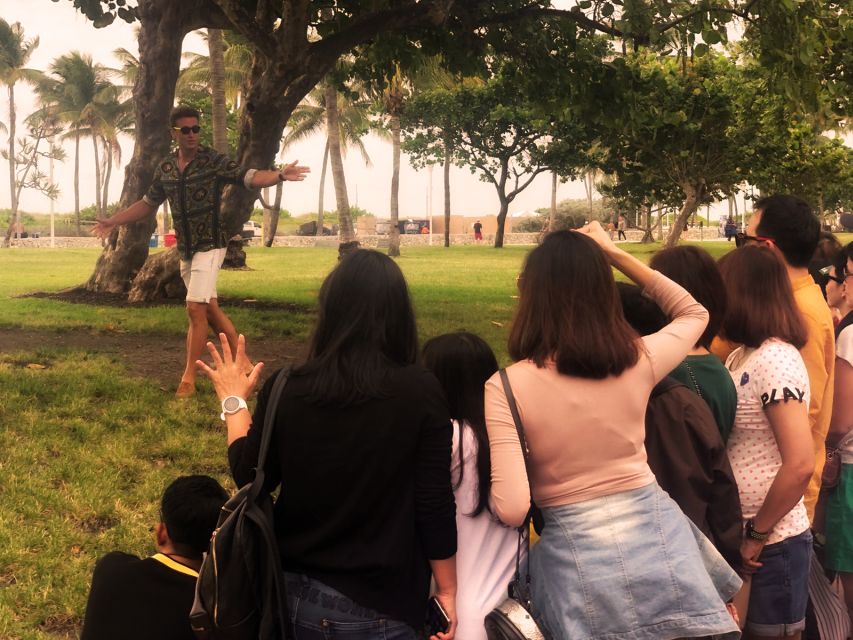
- Start at The Betsy Hotel lobby and get an easy jump on the story right away
- Architecture spotting across Art Deco, Mediterranean Revival, and MiMo styles
- Hidden context for the streets of South Beach, not just postcard facts
- True-crime and scandal stops that add an edge to the usual sightseeing
- Cocaine cowboys and Miami Vice references that make the era feel real and specific
Miami Beach isn’t natural, and that changes how you see it
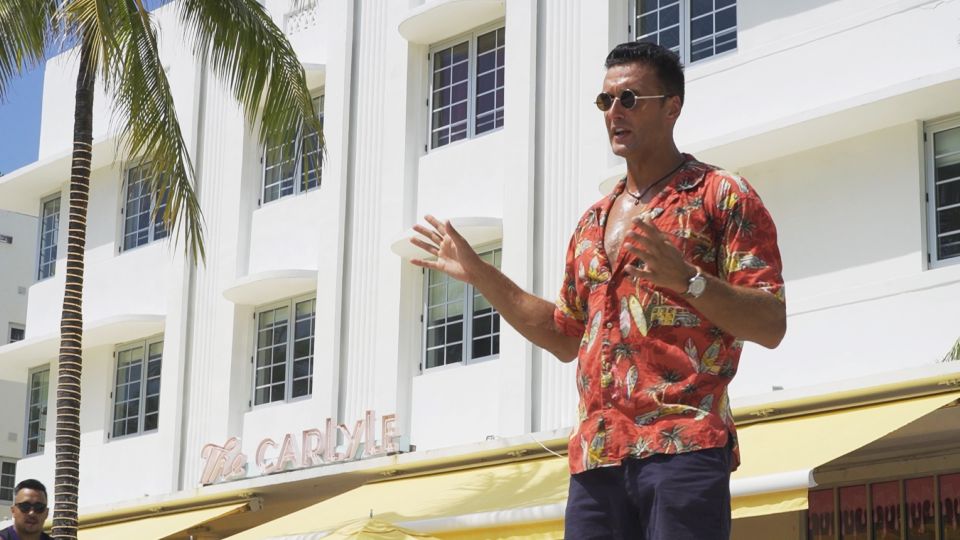
Before you even step out, you get the big mental reset that Miami Beach is mostly man-made. Biscayne Bay used to be a shallow swamp, and that helps explain why the city grew the way it did: planned, engineered, and fast-moving.
That background matters for architecture and culture. When a place gets built on purpose, the buildings often follow the same logic—aspirational, showy, and meant to sell a future. Once your guide puts those roots on the table, the walk stops being a parade of facades and starts feeling like a timeline you can walk through.
And Miami Beach isn’t only about sun and style. You’ll also hear how Muhammad Ali became world boxing champion for the first time right here in Miami Beach. Small fact, big effect: it widens the story beyond hotels and into local identity.
You can also read our reviews of more walking tours in Miami



The Betsy Hotel lobby: where the tour maps your route
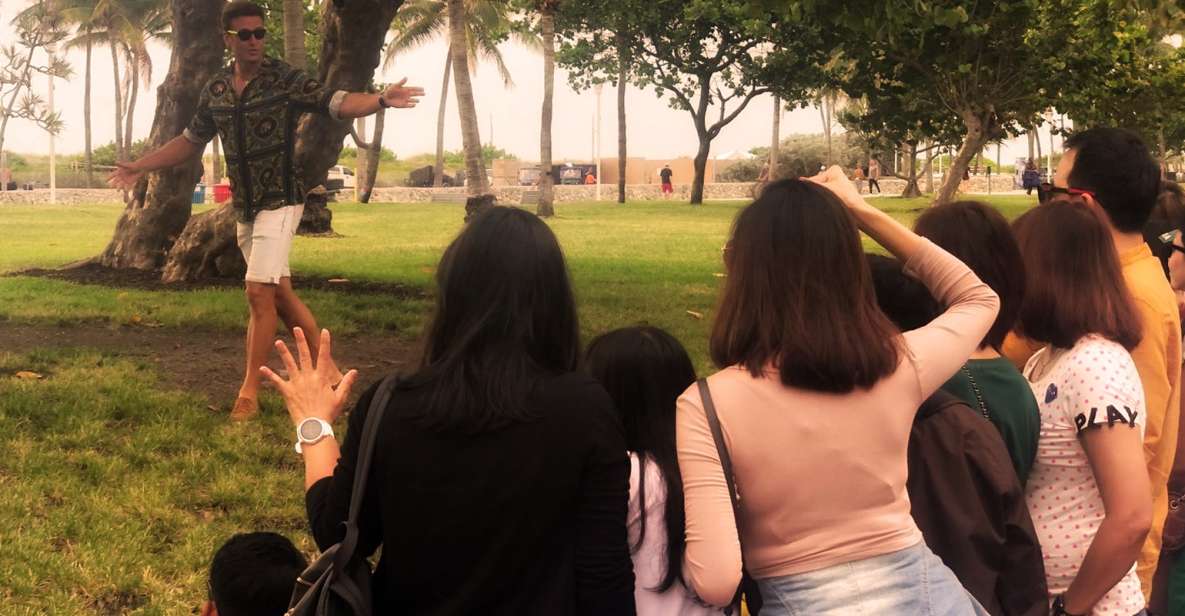
The tour begins at the The Betsy Hotel lobby and ends back at the same spot. That simple loop matters because you’re not constantly thinking about where you are in relation to the ocean or the main drag. Your guide keeps the geography straight while stacking history on top of it.
You’re out for about two hours, with live narration in English. That time window is why the tour feels focused: you get a lot of context without turning into a full-day homework project. The downside is that the schedule is tight, so you’ll likely want to ask follow-up questions only when they naturally fit the story beat.
If you like tours that teach you what to look at, not just where to stand, this one has the right rhythm. Reviews praised Damian specifically for in-depth knowledge and passion, and that usually translates into good pacing: fast enough to keep moving, but not so rushed that the architecture talk becomes vague.
South Beach streets: Art Deco, Mediterranean Revival, and MiMo in real life
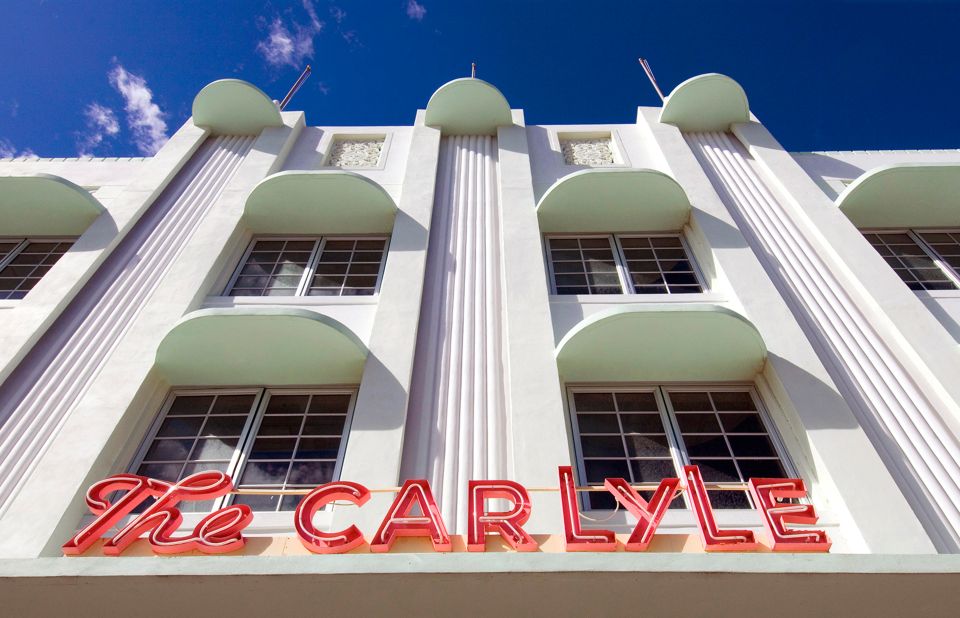
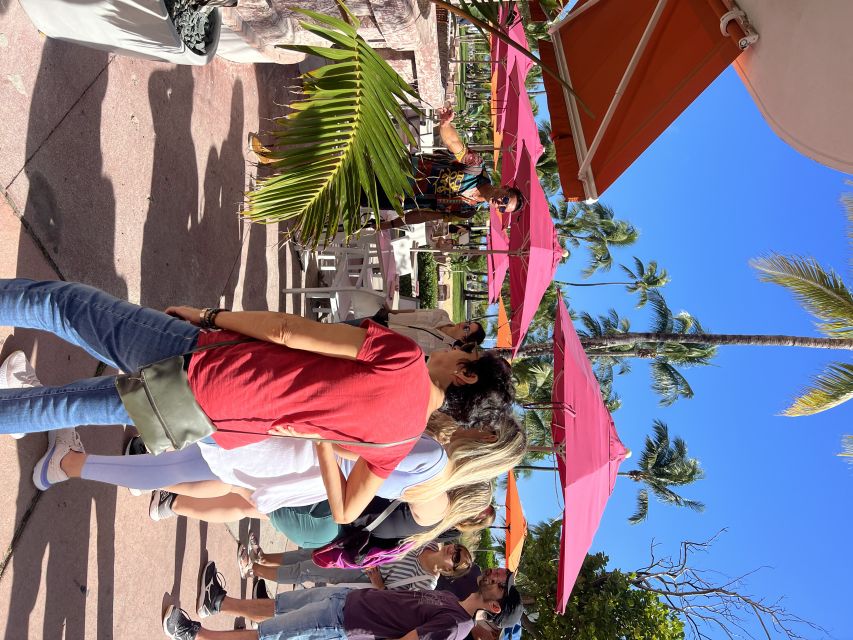
This is the part where your eyes start training themselves. The route runs along iconic streets of South Beach, and you’ll learn what you’re seeing instead of guessing.
Here’s the practical way to use this time: focus on the building shapes and the “why.” Art Deco tends to show up as crisp geometric lines and styling that feels tuned for spotlight moments. Mediterranean Revival often reads warmer and more ornamental, while MiMo brings a mid-century style punch that feels like Miami adapting to its own pace.
You’ll also hear the city’s evolution over different periods—early days, the Great Depression, and shifts that affected who lived where and how neighborhoods changed. That’s where architecture lessons get more than aesthetic. Buildings become evidence of economic pressure, migration patterns, and social rules.
I like that the tour doesn’t treat history like a separate museum exhibit. It treats it like a lens. Once you understand why certain designs appeared when they did, the streets start making sense even when you’re just walking them on your own later.
Inside hotel lobbies and rooftops: design as a social stage
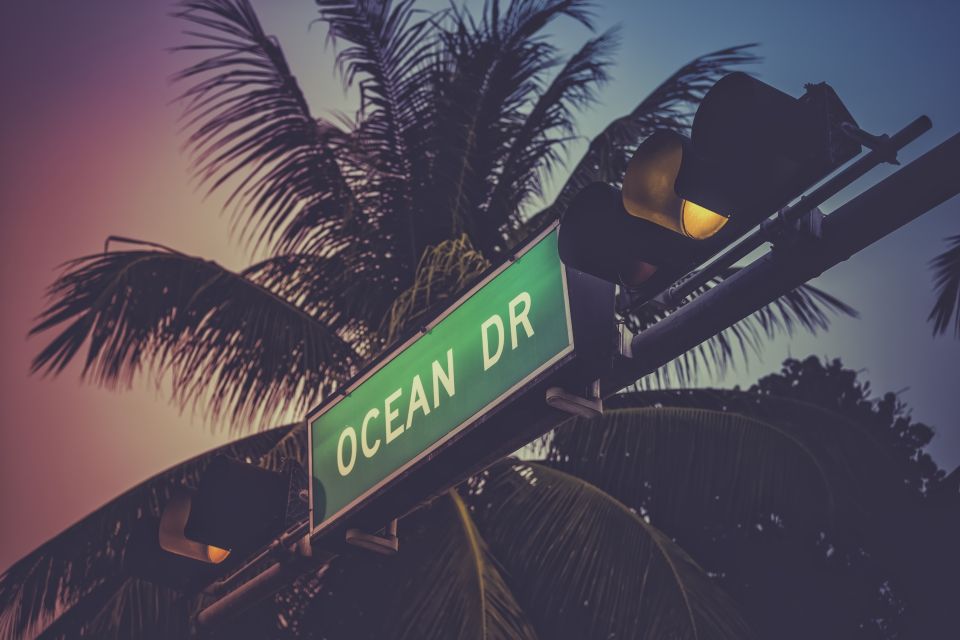
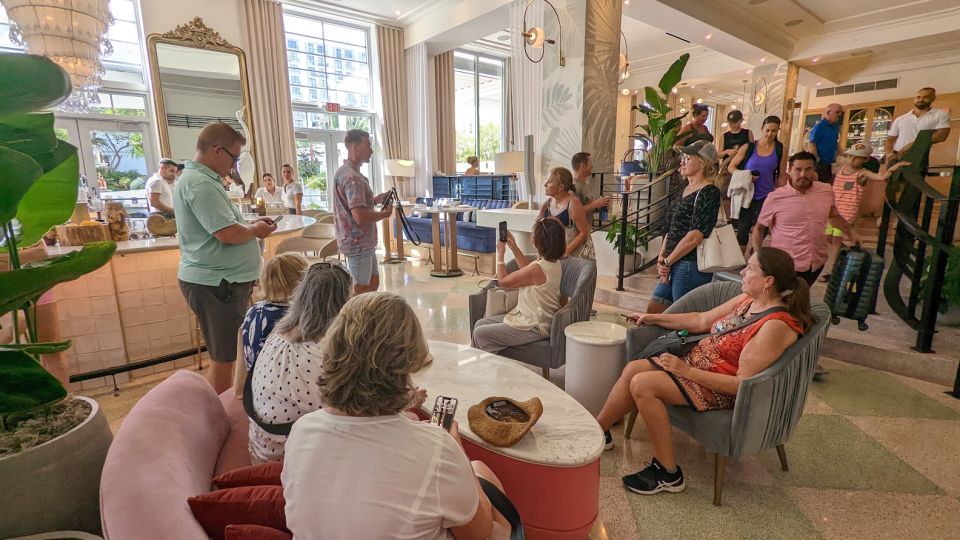
One of the strongest elements is the way you’re taken through lobbies and rooftops of Art Deco hotels. That matters because hotel design is public-facing. It tells you what kind of guest experience the city wanted to sell, and it often reflects who was welcomed, who was excluded, and how status was performed.
This tour adds the historical layer you normally miss. You’ll hear about adverse segregation and how it shaped Miami Beach life. You’ll also get Jewish history and Cuban migration discussed as part of the larger story of who built the city’s social world.
That mix is valuable because it stops the usual pattern of Miami Beach tours that either focus only on design or only on nightlife-era trivia. Here, your guide uses the physical environment to explain social change. The hotel spaces become clues: who had access, how life was arranged, and how culture shifted with the people arriving.
The practical takeaway: slow down visually even when you’re moving. Glance up at details and then listen for what your guide connects them to. It’s one of those tours where you’ll notice more after the tour than before it.
The Great Depression and the hard turns behind the glamour
The story doesn’t stay in the easy glow. You’ll hear about the Great Depression and how broader economic stress fed into local development and changing attitudes. That’s not just a date in a lecture; it affects how people lived, where money went, and what kinds of buildings the city continued to prioritize.
This is also where the tour earns credibility. The narration leans into the idea that the city’s evolution wasn’t tidy. Miami Beach can look postcard-perfect, but that beauty was built alongside conflict, constraint, and inequity.
And that’s a good thing for you as a visitor. It helps you understand why Miami Beach feels both glamorous and strange. The contradictions are part of the appeal, not a flaw in your itinerary.
You can also read our reviews of more historical tours in Miami






Cocaine cowboys and Miami Vice: when pop culture meets street history
Then the tour pivots into the cocaine cowboys era and the influence of Miami Vice. This is where the walk becomes extra fun if you know the vibe, and still interesting if you don’t.
The key is that your guide doesn’t treat Miami Vice like trivia. It treats it like a cultural reflection of what the city’s legend looked like on screen. Once you hear the real-world context, those TV-era references become a map for the kind of stories people told about Miami at the time.
The tour’s value here is that it connects design and location to an era that’s usually discussed in broad strokes. Instead of only hearing the general myth, you get to place it. That makes the city feel less like a set and more like a lived environment.
If you like tours that balance facts with atmosphere, this is the segment where it clicks. The history gets darker, but it also gets specific.
True-crime and scandals: the Gianni Versace murder context
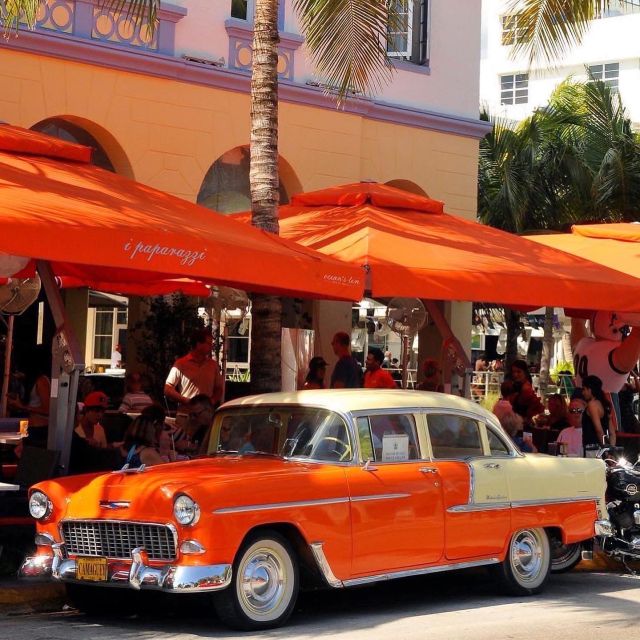
The “dark side of history” isn’t a throwaway line. The tour includes stories and locations tied to crime and scandals, including the infamous murder of Gianni Versace.
How you experience this portion depends on your mood, but the structure is smart: it doesn’t randomly jump topics. It builds momentum through the same streets and built spaces you were already learning to read for design cues.
This approach helps you avoid the usual problem with true-crime stops on vacation. Instead of treating it like shock content, the tour frames it as part of the city’s modern myth and real consequences. That’s the difference between a headline and a place with a past.
If you prefer history without heavy crime detail, you might find this portion intense. Still, it’s tied to why the city became what it became—emotionally and socially.
Price and value: what $47 gets you in two hours
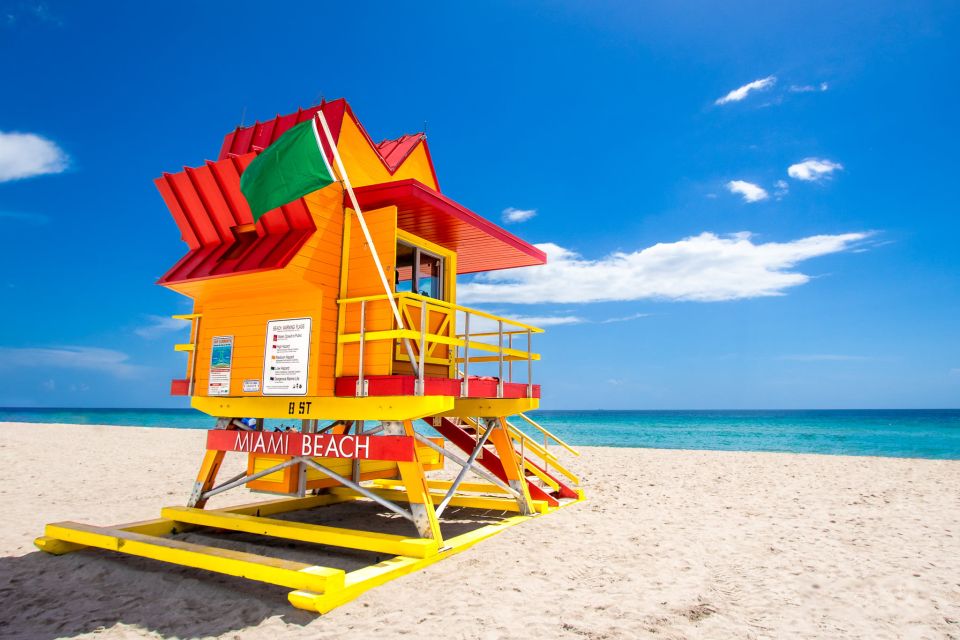
At $47 per person for a 2-hour guided walk, the value mostly comes down to how much expertise you’re buying. This isn’t a generic “point and photograph” stroll. You’re paying for a local who connects architecture to segregation, migration, major eras like the Great Depression, and the later cocaine cowboys and Miami Vice influence.
For design lovers, that’s often where the money actually lands. You leave with a new filter for what you see around South Beach: you’ll recognize styles, you’ll understand why certain places mattered, and you’ll be able to tell the difference between visual beauty and historical context.
Also, the tour includes a guided tour only. That keeps it straightforward: you’re not paying for extras you won’t use. And because it lasts about 2 hours, it fits neatly into a typical vacation day without eating half your time.
Quick practical note: wear shoes you can walk in for two hours. You’ll be covering ground and you’ll likely want to keep your attention up as the story changes pace.
Who should book this, and who should pass
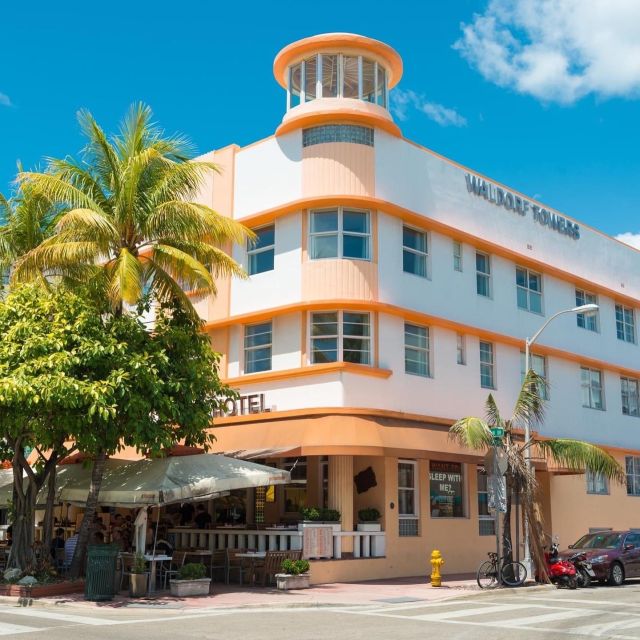
This works best if you want more than a quick photo loop. Book it if you’re into Art Deco and Miami’s architecture history, and especially if you like history with sharp edges: true crime, scandals, and pop-culture era influence.
It’s also a solid fit if you like guided storytelling that teaches you how to look. The lobbies and rooftops angle is a good match for people who want to see how design shapes experience.
Pass on it if you prefer very light, purely scenic walks, or if you get uncomfortable with true-crime material. The tour is built around those topics, so you shouldn’t expect it to stay gentle.
Should you book this Art Deco & History tour?
If your ideal Miami Beach day includes design you can actually understand and a history that’s stranger than fiction, I’d say yes. This is the rare style-and-story combo where the architecture lesson feels connected to real events, not just decoration.
The biggest reason to book is the guide-driven quality. Damian’s praised for passionate, in-depth delivery, and that kind of guidance is what turns a short walk into a lasting memory. You’ll leave knowing what you saw, why it matters, and what to notice next time you’re on your own.
FAQ
What is the duration of the Miami Beach Art Deco & History walking tour?
The tour lasts about 2 hours. Starting times vary, so you’ll want to check availability.
Where does the tour start and end?
It starts at the The Betsy Hotel lobby and ends back at the same meeting point.
How much does it cost?
The price is $47 per person.
Is the tour guided and in English?
Yes. It includes a live tour guide, and the tour is conducted in English.
Can I cancel for a refund?
Free cancellation is available up to 24 hours in advance for a full refund.
Does the tour include any entry or ticket lines to manage?
It includes the benefit of skipping the ticket line.