REVIEW · MIAMI
Little Havana Walking Tour for History Buffs
Book on Viator →Operated by Food Tours World LLC · Bookable on Viator
Little Havana can feel like a movie set of murals, old theaters, and back-alley stories. This walking tour is built for history fans, with stops that connect Cuban community life to the streets you’ll see right away. Guides such as Danny and Faruk help turn places like Domino Park and Calle Ocho into living timelines.
I like the way the tour uses real community landmarks instead of generic facts. You get a Cuban coffee tasting plus a guava & cheese pastry snack, and the food stops are spread out so you’re never just listening on empty. The small group size also matters: with up to 15 people, the walk feels more like a local stroll than a conveyor belt.
One possible drawback: the pace is tight, and some stops are only a few minutes long. If you want very deep, slow storytelling about Cuban heritage at every single corner, you may wish the guide had more time at the topics you care most about—so ask questions early and speak up if you want extra history at a specific stop.
In This Review
- Key things I’d pay attention to
- Your 90-minute game plan in Little Havana
- Domino Park: elders, the game, and why locals gather
- Cuban Memorial Boulevard Park and Tower Theater: monuments plus a 1926 landmark
- Ball & Chain: a 1935 venue where music is the history
- Calle Ocho: your main corridor for food, stories, and people
- Futurama 1637 Art Building: meet the stories behind the murals
- Price and value: what $39.99 buys you in real time
- Who should book this Little Havana walk
- Should you book? Yes, if you want orientation plus Cuban-flavored food stops
- FAQ
- FAQ
- How much food is served on the Little Havana Walking Tour for History Buffs?
- What’s included besides the walking and guide?
- How much walking is involved?
- Is the tour wheelchair accessible?
- What language is the tour offered in?
- Can I bring a camera?
- Where is the tour start and end?
Key things I’d pay attention to
- Domino Park at the community-elder level: learn how the game works locally and why the space matters
- Monuments at Cuban Memorial Boulevard Park: a focused look at what’s honored, and by whom
- Tower Theater’s timeline since 1926: history told through one major building
- Ball & Chain’s music legacy since 1935: culture tied to a single iconic venue
- Calle Ocho with real food and shopping moments: not just sightseeing
- Futurama 1637 for art and local stories: a creative stop on certain days
Your 90-minute game plan in Little Havana
This is an approximately 1 hour 30 minute walking tour that covers a small part of Little Havana in a very efficient loop. The walking is under a mile, and the meeting point and end point are close enough that you can keep exploring on your own after the tour ends. It’s also offered in English, and you’ll get a mobile ticket.
Group size stays capped at 15, which is a big deal in a neighborhood like Little Havana. With fewer people, it’s easier for the guide to adjust the pace and answer questions, and it’s simpler for you to stop for photos without feeling rushed. The tour is also listed as easy for seniors in Miami, and it can accommodate wheelchairs and baby strollers.
The tour works on rain or shine. If weather looks rough, bring a light rain layer or umbrella. You’re outside enough that comfort matters—especially if you’re traveling in Miami’s heat.
Finally, timing matters. If you take this early in your trip, you’ll leave with a cleaner sense of where Calle Ocho things start, where to aim for food, and which places are worth revisiting at a slower pace.
You can also read our reviews of more walking tours in Miami



Domino Park: elders, the game, and why locals gather
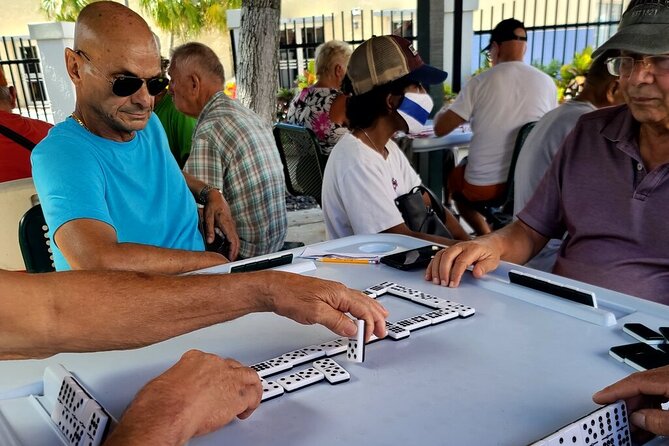
Domino Park is where the tour earns its history-buff credibility. Instead of treating the domino table as decoration, you’re shown how the domino game is played by community elders. That detail turns a familiar game into something more like oral history: you’re watching culture happen in real time.
This stop also connects the game to the space itself. The tour includes the park’s historical importance and the role it plays as a meeting place. If you’ve only seen dominoes as a casual pastime, this is the moment where it clicks that community traditions have geography.
Stop length is short—about 5 minutes—but it’s the kind of stop that can pay off in your photos and your understanding. If you want the best experience, keep your camera handy and stay close to the guide’s lead so you don’t miss the explanation while you’re trying to frame a shot.
Practical tip: wear comfortable shoes. Even short stops feel longer when you’re pausing for sidewalk photos and trying to stay with the group.
Cuban Memorial Boulevard Park and Tower Theater: monuments plus a 1926 landmark
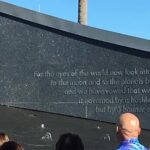
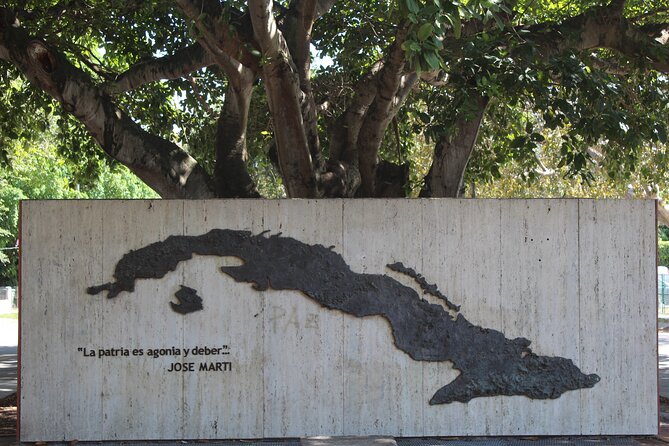
Next comes Cuban Memorial Boulevard Park, where the focus shifts from everyday tradition to public memory. The tour points out the dedication on 13th Avenue at 8th Street, and how the area honors Cuban monuments and other communities in Little Havana. This is a chance to see that the neighborhood isn’t only about entertainment—it’s also about who arrived, what they built, and what they refused to forget.
You’ll spend about 20 minutes here. That extra time helps you look around, absorb details, and ask questions while the guide can slow down the story. If your goal is to understand why certain names and symbols show up in the streets, this stop gives you the context you’ll carry to the rest of the walk.
Then the tour moves to the Tower Theater, a big step in the timeline. The highlight is its historical and cultural importance from 1926 until today, and you’ll explore it for about 5 minutes. It’s one of those places where the building itself becomes the lesson: architecture as memory.
Trade-off to know: because these stops are built around major landmarks, you’ll get pointed facts rather than long storytelling in one spot. If you like lots of “why this mattered” explanations, ask the guide to connect the monument themes to what you’re seeing next on Calle Ocho.
Ball & Chain: a 1935 venue where music is the history
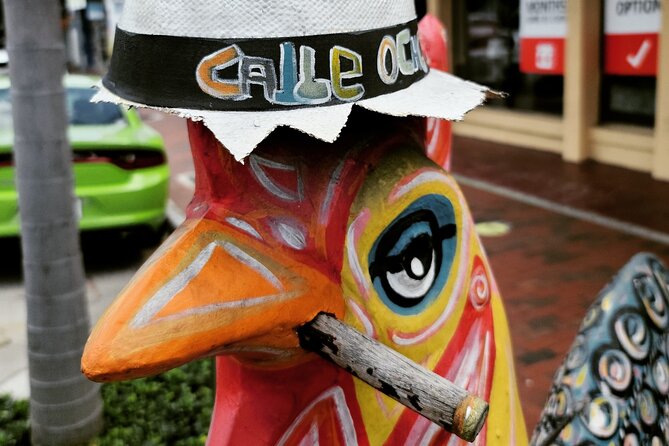
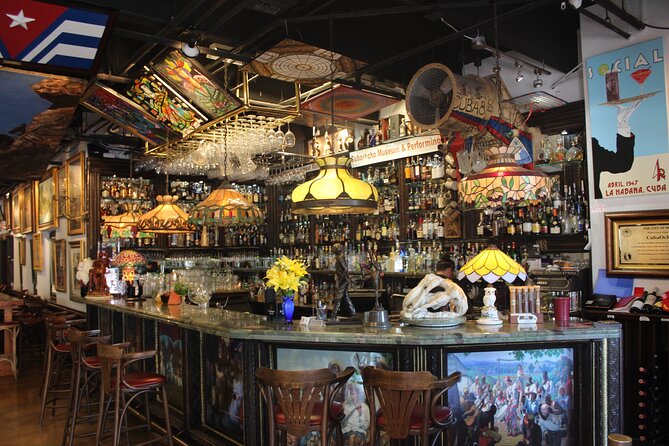
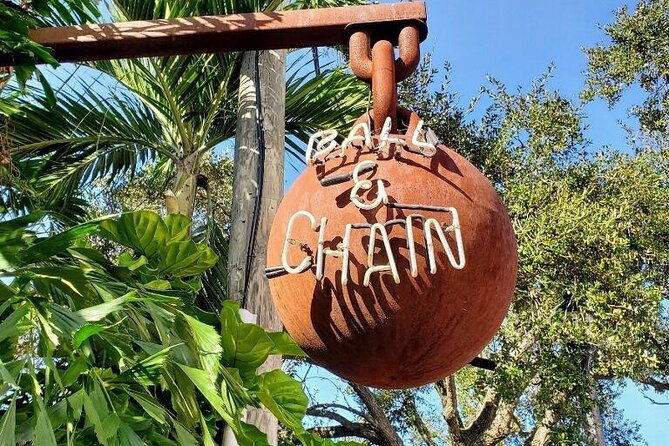
Ball & Chain is one of the tour’s most culture-forward stops. You’ll get a quick introduction that places the venue in decades of local history and community life. This stop matters because it shows how Cuban influence isn’t just historical—it’s ongoing, through music and nightlife.
The tour frames Ball & Chain as home of music and culture in Little Havana since 1935. It’s an easy stop at about 10 minutes, but it’s the kind of location that makes the surrounding neighborhood feel more connected. You can look at the street and think: this isn’t new. It’s been a gathering place for generations.
Photo tip: stand where the guide suggests so you get the full view without blocking others. If you’re traveling with kids, this is usually an easier stop than the monument-heavy sections because it feels more like a living venue.
Calle Ocho: your main corridor for food, stories, and people
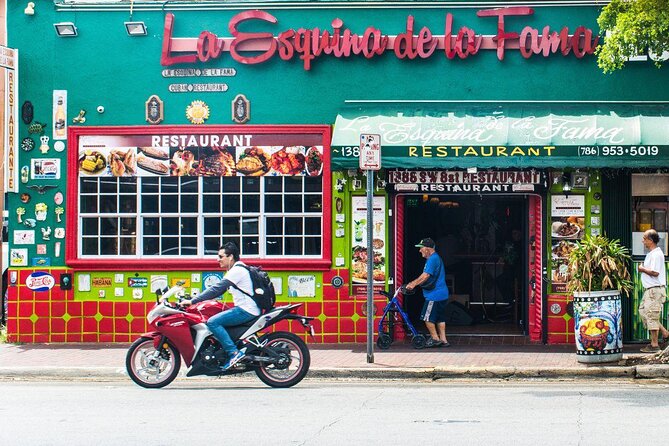
Calle Ocho is the heart of the tour’s payoff, with about 30 minutes dedicated to soaking in the Cuban experience—history, culture, food, and people. This stop is where the tour becomes practical, because it gives you real direction for what to eat and what to look for later.
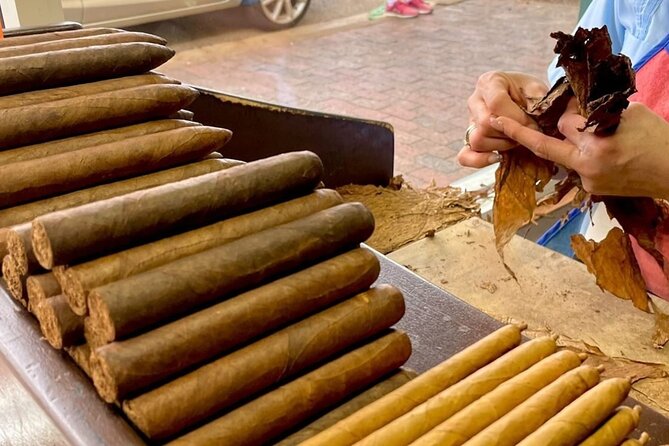
You’ll be walking the street with the guide’s commentary, and you’ll also pass by local shops that connect to Cuban life in Miami. Some guided walks in this area include cigar shops and storied storefronts along Calle Ocho, and you may encounter stops that highlight cigar-making and traditional items like guayabera styles. Even when you’re not buying, it’s helpful to understand what these businesses represent.
This is also where the tour’s food component becomes more than a snack. The experience includes coffee and/or tea with a Cuban coffee tasting, plus snacks (including guava & cheese pastry). In addition, the tour food experience is described as equivalent to a full-size lunch/dinner, divided into five local food-tasting spots. So you’ll likely leave feeling fed, not nibbling.
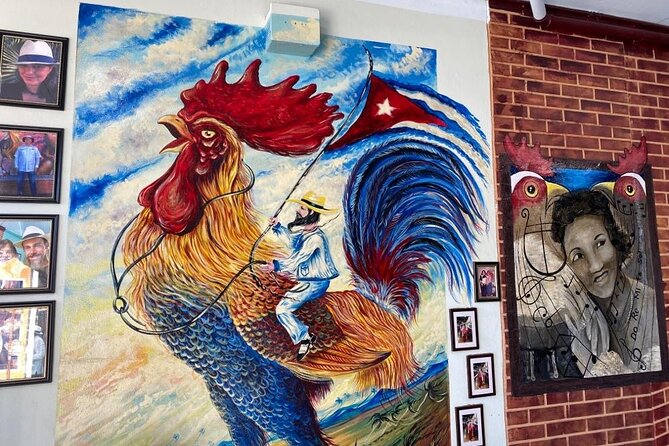
One more reason Calle Ocho lands well: it’s not staged. You’re surrounded by real street life, and the guide helps you interpret what you see. If murals catch your attention, you’ll have plenty of chances to photograph street art while still following the story.
Watch your timing: Calle Ocho can be busy. Keep your spot with the group when crossing streets, and build in a minute for small detours like bakery smells and storefront windows.
You can also read our reviews of more historical tours in Miami





Futurama 1637 Art Building: meet the stories behind the murals
The final stop is Futurama 1637 Art Building, where art is treated as community work, not decoration. The tour explains that local artists play a major role in creating a prosperous community, and it shares inspiring stories tied to the space. You’ll spend about 20 minutes here.
This is also the stop where you may meet local Cuban artists on certain days, which is a big difference-maker. When that happens, you get the human side of the art—why it’s made, what it represents, and how it connects to identity.
If you’re a photo person, this is where your camera will earn its keep. Expect murals and creative visuals, and take your time for close-up shots while staying aware of the group.
Potential drawback here: since meeting artists is not guaranteed every day, treat the art experience as the constant and the direct conversation as the bonus. Either way, it’s a strong closing note because it shifts the narrative from arrival and memory to creativity and present-day community building.
Price and value: what $39.99 buys you in real time
At $39.99 per person for about 90 minutes, the best way to judge value is by what you actually get during the walk. You’re paying for a guided route through key landmarks, plus food and drink that add up.
Included food and drink include coffee and/or tea with a Cuban coffee tasting, and snacks such as guava & cheese pastry. You’re also told the overall food tastings add up to an equivalent of a full-size lunch/dinner spread across five tasting spots. That’s not just a couple of bites—it’s enough that you likely won’t need a full meal right after the tour.
Add in the context. Little Havana is easy to oversimplify if you just look at it as a place for murals and quick photos. This tour gives you the framework: domino tradition, monument memory, theater history, a music venue since 1935, and the corridor of Calle Ocho where culture shows up in daily choices. That kind of orientation can save you time when you’re deciding what to do next.
Group size helps the value too. With a maximum of 15 people, you can ask questions rather than only hearing a one-way script. Tips aren’t included, and parking fees aren’t included, but those are the standard extras in most walking tours.
If you’re on a cruise or short schedule, this also plays well. Many people use it as their intro to Little Havana before moving on to other parts of Miami.
Who should book this Little Havana walk
Book this tour if you’re the kind of traveler who likes your vacation with dates, names, and meaning—not just pretty streets. It’s a strong fit for history buffs, especially if you care about how Cuban culture shaped Miami’s neighborhood identity.
It’s also a good option if you’re traveling with parents or anyone who wants a walkable route. Under a mile of walking, plus the ability to accommodate wheelchairs and strollers, makes it more flexible than longer, more strenuous neighborhood tours.
I’d think twice if you need a very slow, super-detailed lecture about Cuban heritage with lots of time at each theme. The tour is structured around a sequence of landmarks, so it’s designed to cover several big ideas in a short window. You’ll get meaningful context, but it’s not an all-day immersion.
If you do book, you’ll get more out of it if you set your expectations at the start: tell the guide what you want most—domino tradition, monuments, theaters, music history, or Calle Ocho food—and ask for extra time on that topic when possible.
Should you book? Yes, if you want orientation plus Cuban-flavored food stops
I think this is a smart booking for most first-timers to Miami who want more than sightseeing. For $39.99, you’re not just walking past famous corners—you’re learning why these places matter, while also eating and drinking enough to keep your energy steady.
I’d especially recommend it if:
- you want a guided orientation to Little Havana before choosing restaurants or shops on your own
- you like history that shows up in the street, not just in a museum
- you want coffee, pastries, and multiple tastings wrapped into a short walk
Pass or choose something else if you’re chasing a long, deep historical lecture. This walk is about smart stops and an efficient route through the neighborhood’s key cultural signals.
FAQ
FAQ
How much food is served on the Little Havana Walking Tour for History Buffs?
The tour includes the equivalent of a full-size lunch/dinner, split across 5 local food-tasting spots. You should not need to eat again for a few hours after the tour.
What’s included besides the walking and guide?
You’ll get coffee and/or tea with a Cuban coffee tasting. Snacks are included too, including guava & cheese pastry.
How much walking is involved?
It’s less than a mile of walking, because the neighborhood’s main historical places are close together.
Is the tour wheelchair accessible?
Yes. This tour can accommodate wheelchairs and baby strollers.
What language is the tour offered in?
The walking tour is always conducted in English.
Can I bring a camera?
Yes, cameras are allowed, and taking pictures is encouraged.
Where is the tour start and end?
The tour starts at 1652 SW 8th St, Miami, FL 33135, and ends at 1300 SW 8th St, Miami, FL 33135. It ends a couple of blocks from the meeting point, so you’ll be near shops and dining after the walk.