REVIEW · MIAMI
Little Havana Street Food Tour with Enthusiastic Guide
Book on Viator →Operated by Food Tours World LLC · Bookable on Viator
Little Havana smells like roasted coffee and warm bread—and this tour feeds you like a local would. I love that food and drink are handled for you, and you get a real sense of Cuban culture through stops like a working cigar factory. One heads-up: the tastings can feel more like the easy-to-reach main streets than true back-alley food hunting, so if you’re chasing extreme off-the-path only, adjust your expectations.
This is a small-group experience (max 12) that moves at a friendly pace for about 2 hours 30 minutes. You’ll check in with a mobile ticket, sample multiple bites that add up to a full lunch/dinner, and still have energy left to keep exploring Calle Ocho afterward.
In This Review
- Key Points Before You Go
- Little Havana in 2½ Hours: How the Tour Feels in Real Life
- Price and Value: What $69 Buys You (and Why It’s Not Just a Snack Tour)
- Getting Started at Tumbao: Your First Mojito and the Timing Advantage
- The Food: Cuban Street Bites That Add Up to a Full Lunch/Dinner
- Mojito and Local Coffee/Tea
- Seafood, Sandwich, Pastry, and Empanadas
- Finish With Churros
- RC Gallery Miami: Art, Family-Made Goods, and Rafael de Armas Connections
- The Havana Shirt Store: Big Papa and the Guayabera Story
- Casa del Tabaco: Watching Cuban Rollers Work
- Domino Park: A Game With Community Elders
- Bay of Pigs Monument: Learning the Human Story Behind the Politics
- Rooster Alley to Calle Ocho: Ending With Art on the Walls and Culture on the Streets
- Who Should Book This Tour (and Who Might Want a Different Option)
- Should You Book the Little Havana Street Food Tour?
- FAQ
- What’s included in the Little Havana Street Food Tour?
- How much walking is involved?
- Is the tour wheelchair accessible?
- Can I participate if I’m traveling with kids or any age group?
- Is parking available near the meeting point?
- Are vegetarian or dairy-free diets possible?
- How long does the tour take?
- Is the tour in English?
- What happens if weather is bad?
Key Points Before You Go
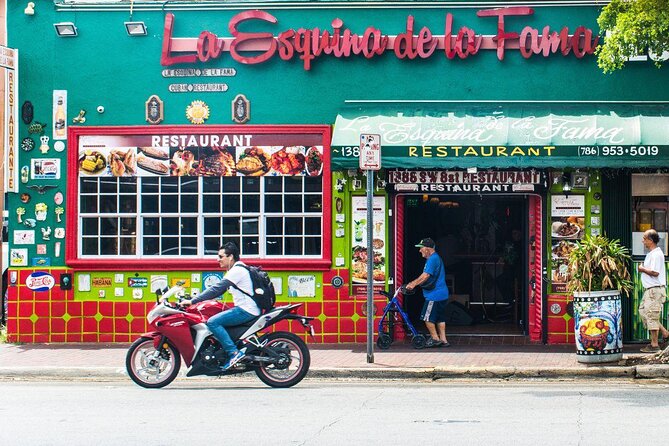
- Mojito start: You kick things off with a classic mojito in Little Havana.
- Lunch-sized sampling: The tour includes the equivalent of a full meal across five tasting stops.
- Family-run food stops: You’ll eat at local places that feel like they know their regulars.
- Cigar-roller factory viewing: Watch Cuban rollers work and learn how cigars are chosen.
- Culture beyond food: Art, guayabera shirts, Domino Park, Bay of Pigs, and roosters all show up.
Little Havana in 2½ Hours: How the Tour Feels in Real Life
This tour works because it mixes two things people often do separately: eating and learning. In a short window, you’ll get Cuban food, Cuban objects, and Cuban stories—so you don’t leave with just a full stomach. You leave with context.
The walking is modest (less than a mile), and the vibe is social rather than rushed. With a group capped at 12, you’re not stuck listening from far away, and it’s easier to ask questions when the guide is explaining things like tobacco history or guayabera origin.
You can also read our reviews of more food & drink experiences in Miami



Price and Value: What $69 Buys You (and Why It’s Not Just a Snack Tour)
$69 sounds like a “tour tax” until you look at what’s included. You’re getting multiple tastings plus alcoholic drinks, coffee/tea, and dessert—so it’s closer to paying for a curated lunch than paying for a few bites.
Here’s what adds up:
- Salpicon de mariscos (seafood tasting)
- Cuban sandwich
- Guava and cheese pastry
- Beef empanada
- Churros dessert
- Plus coffee/tea and a mojito (alcohol included)
So you’re not doubling up on meals afterward. The tour is built so you can keep your evening plans simple—maybe just a coffee, a walk, or a quick stop for something you want to revisit.
Getting Started at Tumbao: Your First Mojito and the Timing Advantage
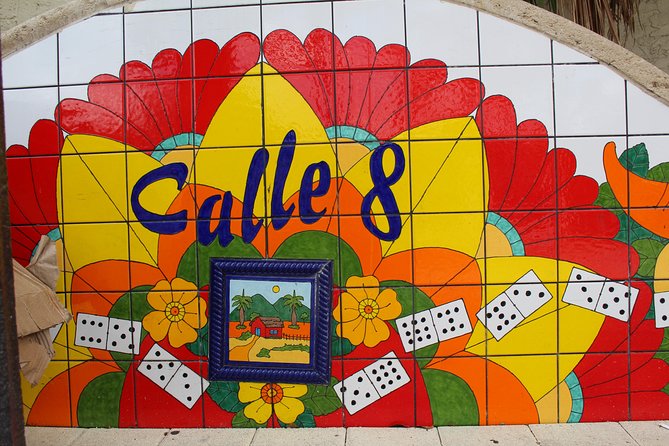
You meet at Tumbao on SW 8th Street, and the tour is set up to start with a drink before the first big bites. That matters more than you’d think. Starting with a mojito helps you settle into the neighborhood rhythm quickly, and it also gives your group a smooth “everyone’s here” moment.
After that, the tour keeps the pace light: short stops, quick explanations, and tastings that don’t require you to order a separate meal. If you’re trying to balance Miami planning—beach time, a game, or a later night out—this works well because it’s a tidy block of time.
The Food: Cuban Street Bites That Add Up to a Full Lunch/Dinner
The best street food tours don’t just bring you to places—they manage portion flow. This one does that well.
Mojito and Local Coffee/Tea
You start with a mojito, and you’ll also get Cuban coffee style (often served as a colada). This is the kind of coffee stop that feels like you’re watching how people actually start conversations—small cups, no ceremony, just flavor.
Depending on the day, you’ll also have soda or a choice like sugarcane or mango juice. That’s a smart move in Miami heat.
You can also read our reviews of more tours and experiences in Miami


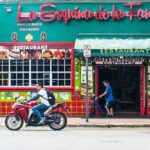

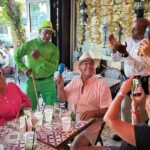
Seafood, Sandwich, Pastry, and Empanadas
You’ll taste salpicon de mariscos (a seafood sample in tapas-sized form). It’s a good opener because it gives you something fresh before the heavier comfort foods.
Next comes a local Miami version of a Cuban sandwich—served at a family-owned spot. Then you get a guava and cheese pastry at a Cuban immigrant family bakery. If you’ve never had guava + cheese together in a pastry form, this is your nudge.
Then you’ll hit the empanada with beef from a wall-style spot known for being the kind of place locals already know. That stop is one of the reasons this tour feels more like “eat here” than “look at this.”
Finish With Churros
You end with dessert—churros—so you’re not scrambling for something sweet later. It’s a clean finish that helps you leave stuffed but happy, not stuck searching.
RC Gallery Miami: Art, Family-Made Goods, and Rafael de Armas Connections
One of the more memorable early stops is at RC Gallery Miami, tied to Cuban art community and how artists and creators find their way from Cuba to Miami. You’ll meet a Cuban-born local artist, learn how the art community grows here, and see how some items are made by family members.
This is valuable because it reframes street life as craft life. You’re not just buying souvenirs—you’re seeing the human chain behind them.
If you like buying gifts that don’t feel mass-produced, this is where you slow down. The tour even gives you the chance to spot items you can return for after, once you’re no longer focused on tasting and timing.
The Havana Shirt Store: Big Papa and the Guayabera Story
Guayaberas are everywhere in Cuba-influenced fashion, but this stop gives the story behind the look. At The Havana Shirt Store, you’ll hear from Big Papa about where guayabera shirts originated and how they became a signature style.
This part of the tour is a nice break from food intensity. It’s also a smart way to learn what to look for when you shop later: the meaning, not just the fabric.
And if you want a real conversation with store staff, this is the kind of stop that encourages it. The guayabera is the “wearable culture” version of the rest of the tour.
Casa del Tabaco: Watching Cuban Rollers Work
If you’re into cigars, this stop is the reason to book. Casa del Tabaco is a local, family-owned cigar factory experience where you can see real Cuban rollers make cigars in the store. The details here are practical: you’ll watch varieties being made, and you’ll have time for photos and video while they work.
The tour also teaches you about the tobacco industry history and how it evolved. Then you get help choosing cigars—useful if you don’t want to walk into a shop and guess.
One more detail that adds authenticity: it’s described as the only lady-owned cigar factory in Little Havana, and it’s presented as the only place where the cigars being sold are produced in the store. Even if you’re not buying, watching rolling techniques makes the neighborhood story feel tangible.
Domino Park: A Game With Community Elders
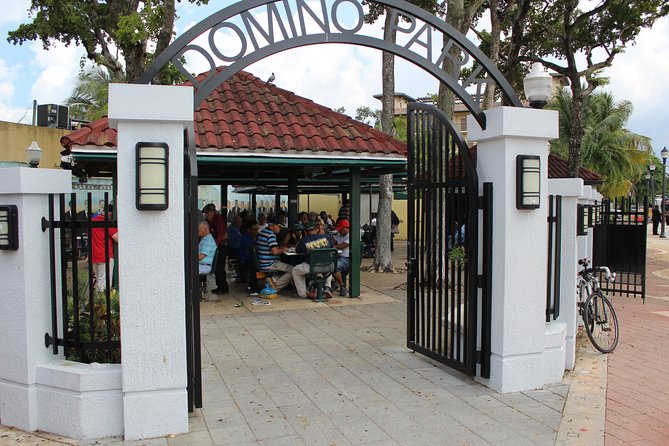
Domino Park isn’t a random photo stop. The tour explains the history and cultural significance of Domino Park to the Cuban-American community, and you’ll play a Domino game.
What I like about this is the “activity, not performance” feel. You’re not just looking at a landmark—you’re participating in a tradition. It’s also a great way to slow the day down without losing momentum.
If you’re traveling with someone who finds long museum tours boring, this is a strong substitute.
Bay of Pigs Monument: Learning the Human Story Behind the Politics
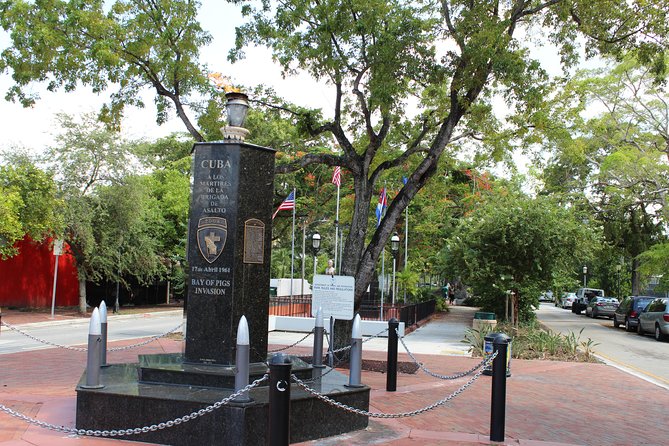
The Bay of Pigs Monument stop focuses on people who fought and gave their lives in 1961 trying to liberate Cuba from an oppressive government. The tour also notes that you may meet and greet veterans on the street.
This isn’t a quick history-buff trivia moment. It’s a heavy topic handled with direct storytelling, and it gives you the background you’ll miss if you only experience Little Havana as food and shopping.
If your goal is to understand why Cuban culture in Miami feels the way it does today, don’t skip this part. It provides the emotional why behind a lot of what you’ll see later.
Rooster Alley to Calle Ocho: Ending With Art on the Walls and Culture on the Streets
Near the end, you’ll head to Rooster Alley—an area full of roosters made by local artists. The tour explains why roosters are significant in Cuban and Latino culture and how local entrepreneurship helped sponsor art in that space.
After that, you move up and down Calle Ocho (8th Street). You’ll get stories about Cuban community life and how other communities live in the neighborhood too. The key value here is orientation: you learn what to notice—daily rituals, street details, and the patterns that make the area make sense.
The tour ends at Churromania on SW 8th Street, a short walk from where you started. That’s practical. You can keep strolling, head to dinner nearby, or connect to whatever you planned next without feeling stranded across town.
Who Should Book This Tour (and Who Might Want a Different Option)
This fits best if you want:
- A small-group Little Havana experience with food-first momentum
- Street bites that add up to a meal, not just snack-sized tasting
- Culture stops tied to everyday Cuban life: shirts, tobacco, Domino Park, and street art
It also suits seniors and anyone who prefers a shorter, less intense walk. The route is described as less than a mile and friendly for wheelchairs and baby strollers.
You might consider a different kind of tour if you’re chasing only ultra-rare menu items and deep off-the-beaten-path food. This one is more “locals + iconic neighborhood traditions” than “hidden basement kitchen” hunting.
Should You Book the Little Havana Street Food Tour?
I think you should book it if you want a reliable, satisfying way to spend half a day in Miami’s Cuban neighborhood—one where your stomach and your understanding both get filled. The value is strong because you’re paying for a meal-equivalent plus drinks, and the cigar factory plus Domino Park adds real substance beyond food.
Book it early in your trip if you want the orientation boost for what to do next around Calle Ocho. And pack your appetite—by the time you finish the empanada and pastries, you’ll be glad the tour ends with dessert and not before.
If you’re ready for Cuban street food, a cigar-rolling look behind the scenes, and a handful of culture stops that don’t feel random, this is a very solid call.
FAQ
What’s included in the Little Havana Street Food Tour?
The tour includes alcoholic beverages (starting with a mojito), soda or sugarcane/mango juice depending on availability, coffee and/or tea, salpicon de mariscos, Cuban sandwich, guava and cheese pastry, beef empanada, churros dessert, a Cuban cigar factory stop, Domino Park game, Big Papa’s guayabera store visit, and an art gallery stop.
How much walking is involved?
It’s less than a mile of walking, and all the historical places and neighborhood spots are close together.
Is the tour wheelchair accessible?
Yes. The tour can accommodate wheelchairs and baby strollers.
Can I participate if I’m traveling with kids or any age group?
Most travelers can participate, and the experience is suitable for any age or fitness level.
Is parking available near the meeting point?
Yes. There is on-street parking near the departure location, typically around $2/hour paid with a mobile app. Check current street signage.
Are vegetarian or dairy-free diets possible?
Vegetarian and dairy-free diets can be accommodated. Celiac disease and gluten-free menus are not listed as supported, so you should flag dietary restrictions when booking.
How long does the tour take?
It runs about 2 hours 30 minutes (approximately).
Is the tour in English?
The walking tour is conducted in English. Some guides also speak Spanish at an intermediate level, but it won’t be both languages at the same time.
What happens if weather is bad?
The tour operates rain or shine, and it’s rarely canceled for unsafe weather. If it is canceled due to poor weather, you’ll be offered a different date or a full refund.