REVIEW · MIAMI
Miami: Little Havana Walking Tour (Lunch Option Available)
Book on GetYourGuide →Operated by Secret Food Tours · Bookable on GetYourGuide
Calle Ocho has stories you can taste. This Little Havana walking tour starts at the Bay of Pigs Monument and strings together Cuban migration history, tropical-market stops, and craft-focused visits like a cigar factory, all with a local guide who explains the why behind the sights.
I especially like the way food and culture move together, from bakery treats like guava pastelitos and ham croquetas to classic bites later on, so you’re not just eating, you’re learning.
One possible drawback: it’s still a walking tour, around 2–3 hours, so wear comfortable shoes and be ready for a steady pace.
In This Review
- Quick hits before you go
- Bay of Pigs Monument: the story begins before the food
- Old farmer’s market and Cuban bakery stops: learn what people eat daily
- Seeing cigars get made: hand-rolling craft you can actually understand
- Guayabera shop and Cuban style: culture you can wear
- Calle Ocho tastings: coffee ritual, pressed sandwiches, and Materva
- Lunch option vs. tasting-only: ropa vieja, yuca frita, and the secret dish
- Domino Park ending: where the neighborhood shows up
- Guides bring the energy: Kayan, Jennifer, and Hugo examples
- Price and value: is $40 a fair deal for 2–3 hours?
- What to bring and how to plan your day
- Who this tour suits best
- Should you book this Little Havana walking tour?
- FAQ
- Where does the tour start?
- How long is the Little Havana walking tour?
- Is the tour in English?
- Is lunch included?
- What food and drinks are included?
- Does the tour run in bad weather?
Quick hits before you go
- Bay of Pigs Monument start: Cuban migration context in downtown Miami before you hit the neighborhood.
- José Martí Memorial stop: a clear historical thread early in the walk.
- Cuban bakery + tropical fruit market: you get smells, textures, and everyday favorites.
- Hand-rolling cigars: see artisans work with old-world techniques, not just a showroom.
- Calle Ocho tastings: Cuban coffee, a pressed sandwich, mariquitas, and Materva soda.
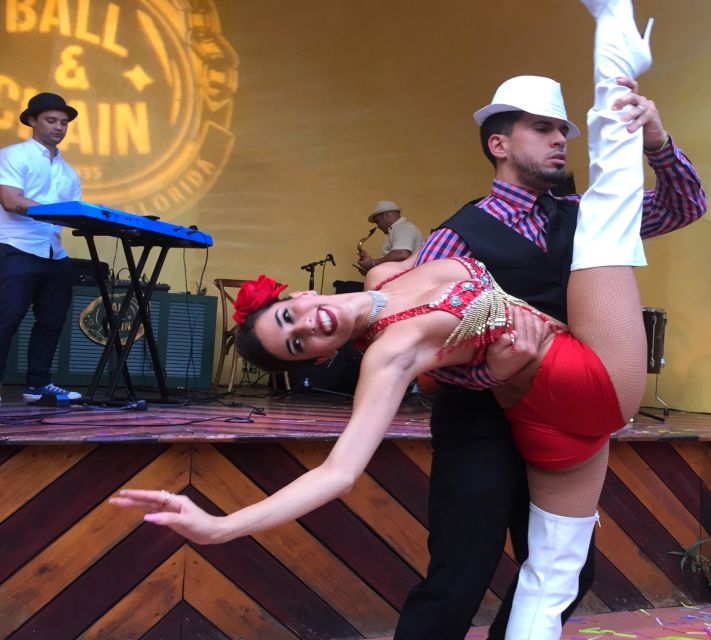
- Domino Park finish: you end where locals gather, hearing real neighborhood energy.
Bay of Pigs Monument: the story begins before the food
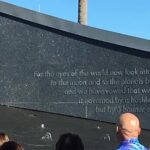
You meet in front of the statue at the Bay of Pigs Monument, which sets the tone right away. Instead of jumping straight to restaurants, you start with the history of Cuban migration to Riverside in downtown Miami, and you hear how those roots shaped the neighborhood you’re walking into.
From there, the route keeps building meaning. You’ll stroll past the José Martí Memorial, and this is one of those moments where the tour makes the geography feel personal. Even if you know only a little about Cuba, the guide’s explanations help the landmarks click into place before you start tasting.
You can also read our reviews of more walking tours in Miami

Old farmer’s market and Cuban bakery stops: learn what people eat daily
After the memorials, you step into an old farmer’s market where you can see the variety of tropical fruit up close. This is a nice early break in the walk because it’s visual and sensory—bright colors, strong scents, and the kind of produce that feels tied to everyday routines.
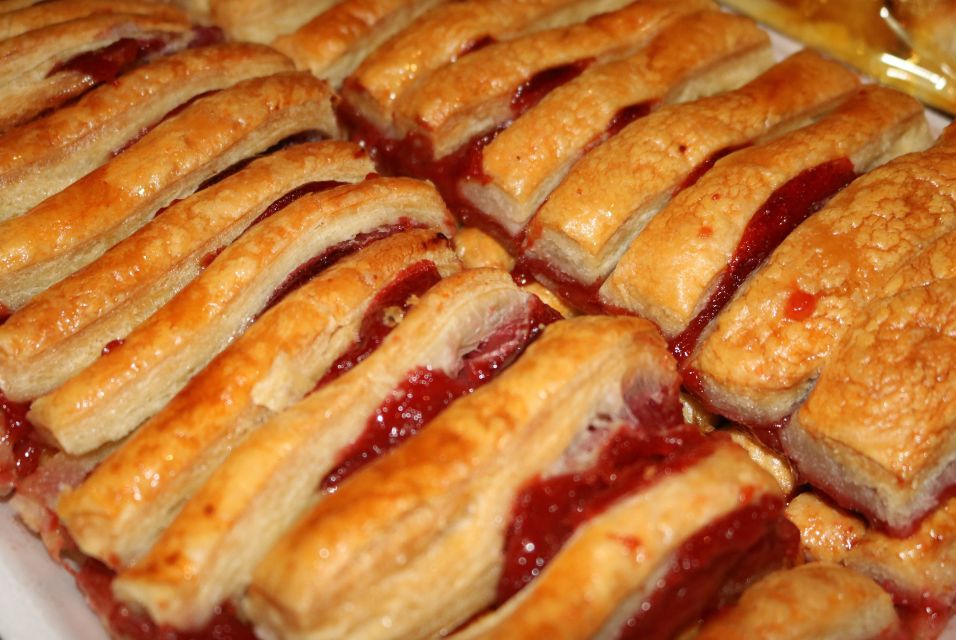
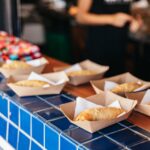
Then you’ll step into a traditional Cuban bakery. This is where the tour shifts from history to daily life. Expect flaky guava pastelitos and classic ham croquetas—simple, familiar foods that also carry a lot of cultural weight. These aren’t fancy tasting-menu items; they’re the kind of bites people reach for because they taste good and because they connect to home.
Practical note: bakery stops can be quick, so keep your phone pocketed and watch the guide’s flow. If you like taking photos, do it after you’ve tasted, not while you’re walking up.
Seeing cigars get made: hand-rolling craft you can actually understand
One of the tour’s best “wow” moments is going behind the scenes at an authentic cigar factory. You watch skilled artisans hand-roll cigars using old-world techniques. It’s not just an explanation from afar—this is hands-on observation of the craft.
What makes this stop valuable is the context. The guide ties the craft to the Cuban culture surrounding it, so the cigars feel like part of community life rather than a souvenir-only story. You’ll also learn how tobacco, skill, and tradition work together—so when you see a cigar later, you’ll know there’s a real process behind it.
If you’re the kind of person who likes watching real work, not staged demonstrations, this is the stop that will stick with you.
Guayabera shop and Cuban style: culture you can wear
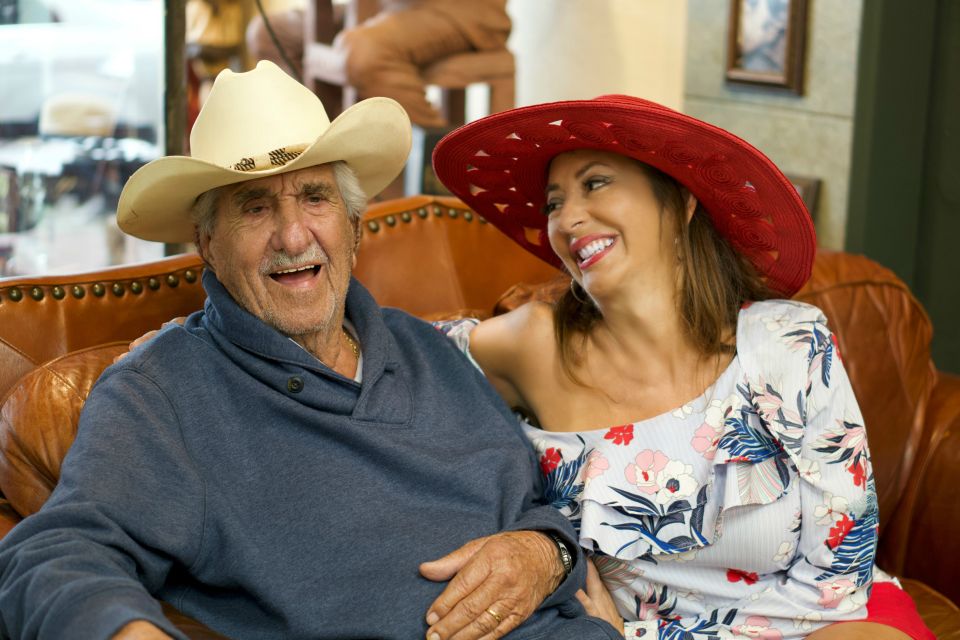
Next up is a traditional guayabera shop, where the iconic Cuban shirt gets explained beyond fashion. You’ll hear how the guayabera carries stories of style, culture, and migration—basically, how clothing travels with people and becomes a symbol.
This is a smart inclusion because it shows that migration isn’t only about food and language. It’s also about identity. Even if you don’t plan to buy anything, you’ll understand why this shirt shows up in portraits, parades, and everyday pride.
Tip: if you want to shop, go with a clear budget. This is a walk-and-taste tour, so you’ll have limited time at each stop.
Calle Ocho tastings: coffee ritual, pressed sandwiches, and Materva
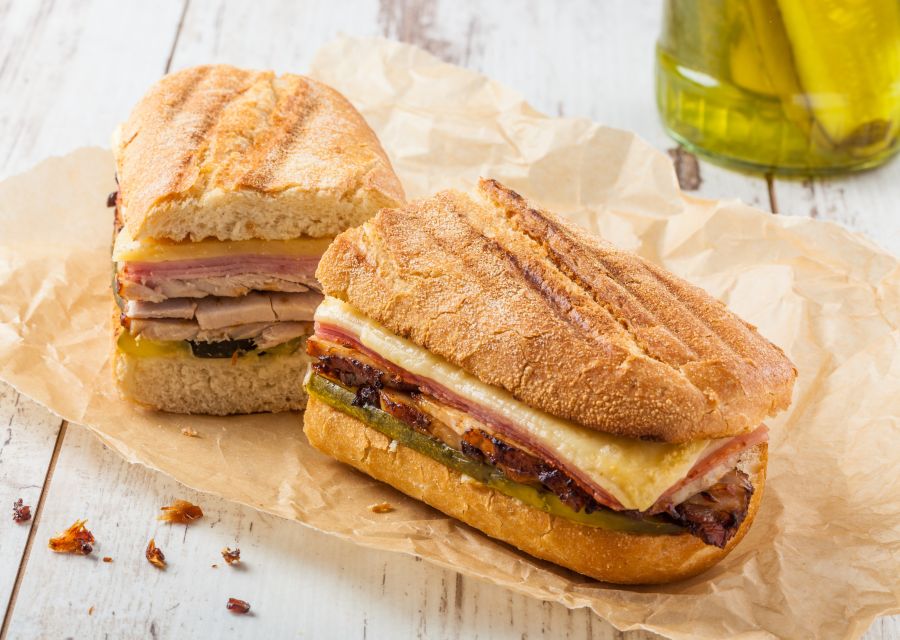
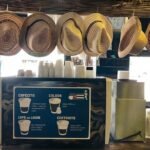
Once you’re in Calle Ocho territory, the guide starts turning the walk into a flavor sampler. You’ll stop for a strong Cuban coffee—a true local ritual according to the tour description. For many people, that first sip is the moment the neighborhood starts feeling real.
Then the bites keep coming: a perfectly pressed Cuban sandwich, crispy mariquitas, and Materva soda. The guide also explains how Little Havana evolved from a quiet neighborhood into a global cultural landmark. That’s important because it frames what you’re seeing in the street—why certain businesses exist, why particular traditions persist, and why the area draws visitors.
I like this pacing: you get history early, craft in the middle, and then flavors that make the streets feel like a lived-in place.
You can also read our reviews of more tours and experiences in Miami

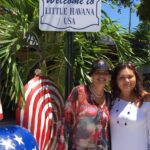

Lunch option vs. tasting-only: ropa vieja, yuca frita, and the secret dish
Depending on the version you book, you’ll either just have tastings or you’ll also sit down for a traditional Cuban meal. The tour description specifically names a Cuban lunch featuring ropa vieja (slow-cooked) and yuca frita.
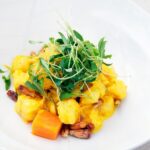
If you choose the Food Tour option, this is where the meal becomes the centerpiece. And it’s not just one plate tossed in. The tour is built around food as a story engine, with the guide explaining how Cuban home cooking reflects everyday life—comfort food, slow simmering, and fried sides done simply and well.
Then comes the part that makes the whole experience feel special: a Secret Dish, revealed only on the day of the tour. You don’t pick it in advance. You’ll find out what it is as part of the flow, which means you’re less likely to treat the stop as a checklist.
One consideration: if you’re booking expecting a full, slow restaurant-style lunch regardless of option, confirm which version includes the seated Cuban meal. The base option may be tasting-focused rather than meal-focused.
Domino Park ending: where the neighborhood shows up
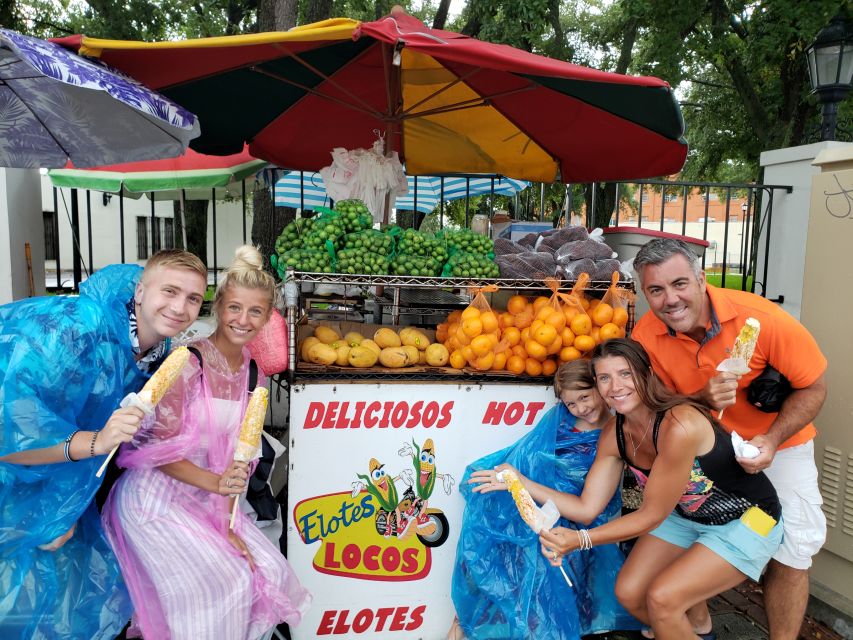
The tour concludes at Domino Park, which matters because it’s not an attraction you “look at.” It’s where locals gather daily, surrounded by conversation and the sound of domino tiles.
This ending gives the experience a natural emotional finish. After hours of stories, smells, and craft explanations, you land in a place where you can see how community life actually happens. The guide’s earlier context makes this last stop hit harder, because you’re not just watching games—you’re seeing continuity.
It’s also a great spot to get your bearings. If you want to continue on your own after the tour, you’re placed in a part of the neighborhood with an easy pulse for people-watching.
Guides bring the energy: Kayan, Jennifer, and Hugo examples
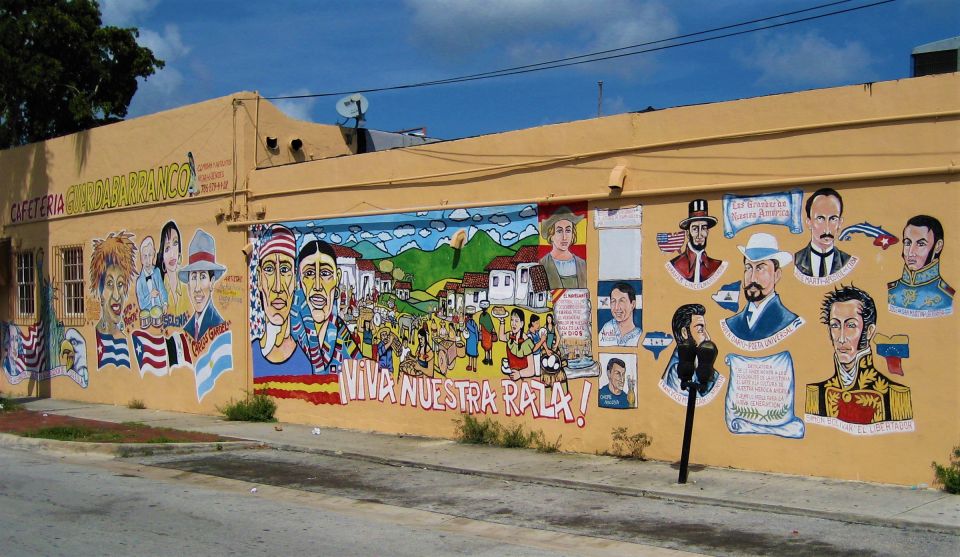
A big part of why this tour earns strong scores is the guide style. The tour has been led by people like Kayan, Jennifer, and Hugo, and the feedback highlights guides who keep things lively and personal—mixing history with food and practical advice for where to go next.
If you care about not just facts, but storytelling, this is the kind of tour where the guide’s personality changes the feel. You can sense the difference between a lecture and a walk with a real local voice.
Language is English, so if you want to ask questions, this is a good setup. The tour is also listed as wheelchair accessible, so it’s built with mobility needs in mind.
Price and value: is $40 a fair deal for 2–3 hours?
At $40 per person for a 2–3 hour walk, the value comes from two things: the guidance and the number of included tastings. You’re paying for someone to connect Bay of Pigs migration history, local landmarks, and food stops in a way you can’t easily recreate on your own without research.
You also get structured stops that are hard to line up independently—like seeing cigar rolling techniques at an authentic factory and getting the guayabera context inside a shop. Those inclusions make the price feel more like a package than a simple stroll.
If you pick the lunch-included version, the value climbs further because you’re not just collecting bites; you’re getting the classic meal with ropa vieja and yuca frita plus the Secret Dish.
What to bring and how to plan your day
This is a walking tour, so bring comfortable shoes. The tour operates in all weather conditions, so pack for heat and rain risk the same way you would for any Florida outdoor plan: light layers, sun protection, and something for wet weather if forecasts look uncertain.
Because transportation and hotel pickup/drop-off aren’t included, you’ll want to plan how you’ll reach the meeting point at the Bay of Pigs Monument area. Arrive a few minutes early so you’re not rushed into the first stop.
Also, treat this like a food-and-stories experience, not a “light snack only” tour. With multiple tastings—coffee, sandwich, mariquitas, Materva soda, and possibly the Cuban meal—you’ll want dinner later, not right before.
Who this tour suits best
This tour is a good fit if you want:
- Cuban culture explained through food + landmarks + local routines
- Real-world craft observation like hand-rolling cigars
- A short outing that still feels like it has substance, not just browsing
It may be less ideal if you hate walking or want long, quiet time in museums or shops. The pace is designed to cover several themed stops in one session.
Should you book this Little Havana walking tour?
If you like your sightseeing with a side of stories and snacks, I think this is a strong buy. The mix of Bay of Pigs migration context, Calle Ocho tastings, craft stops, and a real neighborhood finish at Domino Park gives you a rounded picture of Little Havana.
Book it if you want to leave with more than photos—something you can explain to friends, like why a guayabera matters or what goes into hand-rolled cigars. Consider the lunch version if you’re planning your day around a proper Cuban meal, not just small bites. If you’re already eating heavy elsewhere, the tasting-only version might fit better.
FAQ
Where does the tour start?
You meet in front of the Statue at the Bay of Pigs Monument.
How long is the Little Havana walking tour?
It runs about 2 to 3 hours.
Is the tour in English?
Yes, the live tour guide is listed as English.
Is lunch included?
Lunch depends on the option you choose. The Food Tour option includes a Cuban lunch, but this option is noted as not including lunch.
What food and drinks are included?
The tastings listed include Cuban coffee, a classic Cuban sandwich, mariquitas, Materva soda, and items like guava pastelitos and ropa vieja with yuca frita (for the lunch version). There is also a Secret Dish revealed on the day.
Does the tour run in bad weather?
Yes, tours operate in all weather conditions, so wear weather-appropriate clothing.
If you tell me which option you’re booking (lunch included or not) and when you’re going, I can help you plan what to eat before and after so the day flows well.