REVIEW · MIAMI
Miami Guided 2-Tank Scuba Diving: South Florida’s Reefs & Wrecks
Book on Viator →Operated by Squalo Divers · Bookable on Viator
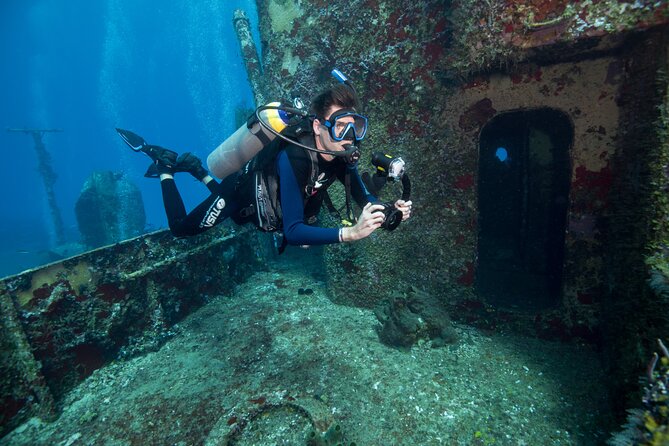
That first descent under Miami’s surface changes everything. This guided 2-tank scuba outing mixes a deep wreck stop (about 60–70 feet / 18–21 meters) with a shallower reef stop (around 30 feet / 10 meters), so you get two very different underwater scenes in one morning with a small crew run by Squalo Divers. The plan is also built for comfort: a maximum group size of six, plus hands-on guidance that helps you feel more confident in the water.
I especially like that the trip welcomes solo certified scuba participants and keeps the group tight. One more big plus: you’ll be at the helm of your own experience with a clear structure—wreck first, reef second—while the team handles the safety and site logistics so you’re not guessing.
The main consideration is simple: this is weather-dependent, and you’ll need to be scuba certified and have done a scuba outing within the last 12 months. Also, the price includes tanks and weights, but not rental scuba equipment—so if you don’t bring your gear, budget extra.
In This Review
- Key Takeaways
- Why This 4.5-Hour Miami 2-Tank Plan Feels Efficient
- Price and What $126 Really Buys (and What It Doesn’t)
- Meet at Collins Ave: Timing, Location, and Getting Started Smoothly
- Tank One: Wreck Terrain at 60–70 Feet (18–21 Meters)
- Tank Two: Reef Work at 30 Feet (10 Meters) for Fish-Friendly Variety
- Small Group Safety: Why the Max of Six Matters
- Gear, Rental Quality, and What You Should Bring
- Weather Reality: Good Conditions, Adjustments, and a Refund Backup
- Is This Worth It for You? (A Practical Match Guide)
- Should You Book This Squalo Divers 2-Tank Miami Morning?
- FAQ
- What is the duration of the Miami guided 2-tank scuba outing?
- Where is the meeting point?
- What time does the outing start?
- How much does it cost?
- How many people are in the group?
- What’s included in the price?
- What is not included?
- What certification do I need?
- Is the experience weather-dependent?
Key Takeaways
- Two different underwater worlds: a 60–70 ft wreck site followed by a 30 ft reef stop
- Small group, max 6 people for more attention and easier communication
- Popular site options include C-One wreck, Army Tanks, Radio Towers, plus Rockpile and The Trench
- Comfort-first setup with guidance and a pace that works for newer participants
- Value in the basics: tanks and weights are included, plus snacks and soda/pop
Why This 4.5-Hour Miami 2-Tank Plan Feels Efficient
Miami’s reefs and wrecks are the kind of underwater variety that’s hard to stitch together on your own. This outing fixes that problem with a morning schedule that pairs two depths and two habitats. You get the drama of submerged structures on the deeper tank, then shift to fish-heavy reef terrain on the second tank.
At 4 hours 30 minutes, it’s long enough to feel like you did something real, but not so long that you lose your whole day. With a 7:15 am start and ending back at the meeting point, you can still plan the rest of your day on land—beach time, museums, or just a slow coffee crawl.
What makes the format work for you is that it reduces uncertainty. You know where you’re going (wreck first, reef second), you know the rough depth range, and you have a guide overseeing everything. For many people, that’s the difference between a stressful morning and a fun one.
You can also read our reviews of more guided tours in Miami

Price and What $126 Really Buys (and What It Doesn’t)
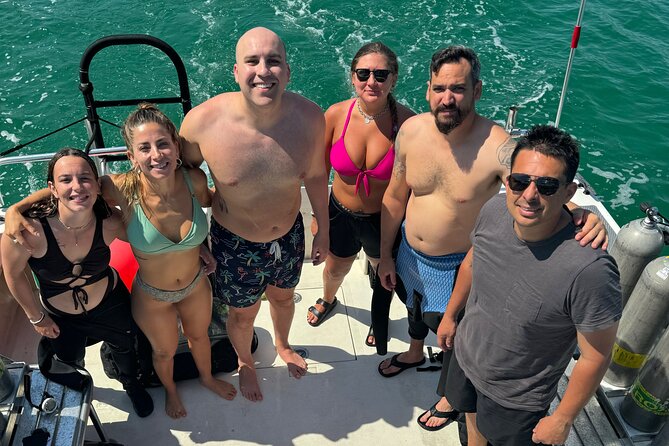
At $126 per person, this is priced like a guided, multi-site scuba outing, and the included items help justify the cost. You get air tanks and weights, plus snacks and soda/pop. Those are not small details: having weights and tanks handled means less hassle loading gear, and it cuts down on rental decisions.
The one thing that’s not included is scuba equipment rental. So your real cost depends on whether you already own your gear or need rentals on-site. If you’re traveling with everything, you’ll usually feel the price makes more sense. If you need to rent most of your kit, keep an eye on the add-on cost before you commit.
Also note the small-group approach. A maximum of six people can mean more individual attention and a calmer experience in the water. When you’re paying for guided safety and hands-on help, that intimate group size is part of the value equation, not just a nice perk.
Meet at Collins Ave: Timing, Location, and Getting Started Smoothly
You’ll meet at 13936 Collins Ave, Miami Beach, FL 33154 at 7:15 am. The meeting point is described as near public transportation, which is handy if you don’t want to fight parking before an early morning water trip.
This is a short window before you’re suited and ready, so I’d treat the morning like an appointment. Show up early enough to handle the basics without rushing, especially if it’s your first time using rental gear you don’t know yet.
One more practical note: the tour uses a mobile ticket, and you’ll receive confirmation at booking time. That matters because it reduces the “what do I show at the counter?” stress. Just make sure your phone battery is healthy.
Tank One: Wreck Terrain at 60–70 Feet (18–21 Meters)
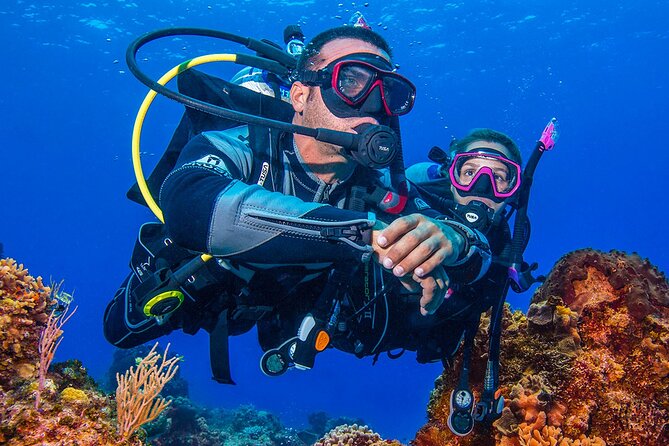
The first tank is all about submerged structures. Expect the wreck portion to sit around 60–70 feet (18–21 meters). That depth creates a different feel than shallower reef work: less light, more stillness, and a strong sense of being inside something that used to be alive.
The outing also gives you options among well-known wreck sites. Staff favorites include:
- C-One wreck
- Army Tanks
- Radio Towers
If you like underwater photography or simply enjoy seeing how marine life takes over human-made shapes, wreck sites are a strong match. You also tend to get more “pattern recognition”—you can follow lines, angles, and openings rather than only looking at rock edges.
A drawback to keep in mind: deeper sites require that you stay within your comfort zone and training. Since the requirement is that you’re scuba certified and have had a recent scuba outing within the last 12 months, you should feel ready for the depth and buoyancy demands. If you’re rusty, this is exactly the kind of trip where preparation matters.
Tank Two: Reef Work at 30 Feet (10 Meters) for Fish-Friendly Variety
After the deeper wreck, the plan shifts to a reef stop around 30 feet (10 meters). That second depth is often a sweet spot for enjoying more active life without feeling as constrained by depth limits.
Reef favorites include:
- Rockpile
- The Trench
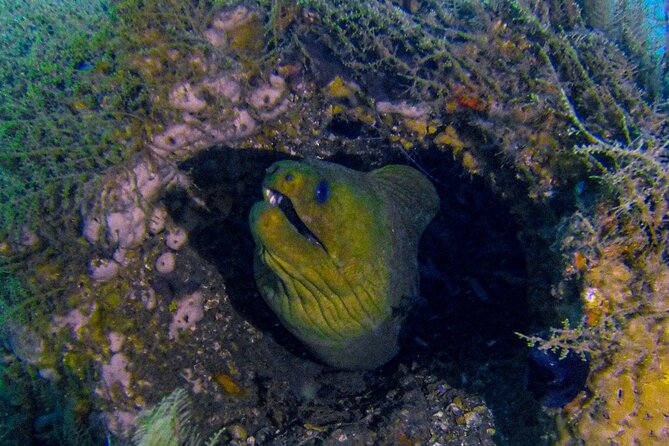
Reef terrain can feel more “alive” than wreck structure because you’re usually surrounded by rock contours, coral-like growth, and bait systems that pull in larger fish. In one of the provided experiences, people reported large schools of fish and even nurse sharks—the kind of sighting that makes a morning stick with you.
Also, reef depth can be easier on your mental bandwidth. If you’re trying to relax and focus on calm buoyancy and smooth movement, a shallower second tank often helps you do that.
One more factor: weather. The activity requires good conditions, but one account noted that even with initially rough conditions, the underwater sessions were still beautiful. That’s a reminder to pack patience. When the team has to adjust, they’re still focused on getting you quality time underwater.
You can also read our reviews of more scuba diving tours in Miami
Small Group Safety: Why the Max of Six Matters
The experience promises you’ll be safe under the watchful eye of your guide, and the max group size of six is a key piece of why that’s believable. In a smaller group, communication stays clear. You spend less time waiting around, and you’re more likely to get quick fixes if something isn’t feeling right in the moment.
This is also described as welcoming for solo participants. That matters because a lot of outdoor activities feel awkward when you don’t have a partner. Here, being alone doesn’t put you at a disadvantage.
If you’re newer to the water, the strongest signal from the provided notes is that the staff is friendly and attentive, and helps people feel comfortable. In particular, one account described support as especially helpful for a newer participant, plus snacks and beverages to keep energy steady after the first tank.
Gear, Rental Quality, and What You Should Bring
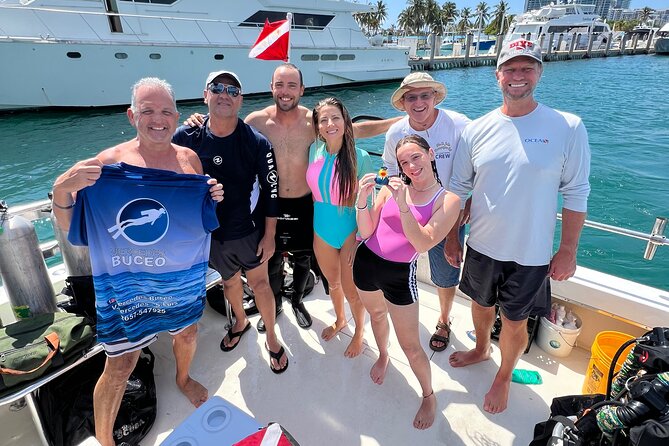
The outing includes air tanks and weights, but not rental scuba equipment. That means you’ll either:
- bring your own equipment, or
- rent on-site (with the added cost that’s typical for gear you don’t own)
The good news from the provided accounts: rental gear quality was described as in top condition. That’s not guaranteed on every trip everywhere, but it’s a positive signal that equipment care is taken seriously.
What I recommend you do before you show up:
- If you’re renting, arrive with enough time to test adjustments and confirm everything feels right.
- If you bring your own gear, do your usual pre-trip checks. Don’t assume familiarity equals readiness on a new schedule.
Because you’re going early, comfort starts before you enter the water. You’ll want warm layers and a plan for what you’ll keep dry between tanks.
Weather Reality: Good Conditions, Adjustments, and a Refund Backup
This experience requires good weather, and if it’s canceled due to poor conditions, you’ll be offered a different date or a full refund. That reduces the risk that you’re paying for something that might evaporate at the last minute.
You should also assume the ocean can shift. One provided account mentioned that despite initially bad weather, the underwater sessions were still impressive. That suggests the team stays focused on making the day work when conditions allow it.
If you’re picking dates, I’d treat this like a dependent-on-the-sea plan. Early mornings often give you the best chance of calmer windows, but you still want flexibility.
Is This Worth It for You? (A Practical Match Guide)
This outing fits best if you want guided structure, varied underwater sights, and smaller group attention. It also makes sense if you like the specific mix of wreck and reef environments rather than only one type of site.
You’ll likely enjoy it if:
- you are scuba certified
- you’ve done a scuba outing within the last 12 months
- you want an intimate group experience (max six)
- you’re open to wreck depth in the 60–70 ft range, then a shallower reef around 30 ft
- you appreciate a guide-led safety setup and friendly coaching
It may be less ideal if:
- you don’t want to rent scuba equipment (since it’s not included)
- you’re not confident in deeper depth comfort yet
- you’re traveling with a schedule that can’t handle weather-driven changes
Should You Book This Squalo Divers 2-Tank Miami Morning?
If you want an efficient Miami morning that mixes big underwater variety—wreck structure first, reef life second—this is a strong choice. The price feels reasonable when you factor in tanks, weights, snacks, and soda/pop, especially paired with a max six group and a guide-focused safety approach.
I’d book it if you’re ready to meet the certification and recency rule, and you’re comfortable planning for the included/excluded gear split. If you need rentals, confirm what’s available and pricing beforehand so the total cost stays within your expectations.
FAQ
What is the duration of the Miami guided 2-tank scuba outing?
It lasts about 4 hours 30 minutes.
Where is the meeting point?
The meeting point is 13936 Collins Ave, Miami Beach, FL 33154, USA.
What time does the outing start?
The start time is 7:15 am.
How much does it cost?
It costs $126.00 per person.
How many people are in the group?
The maximum group size is 6 travelers.
What’s included in the price?
Included are snacks, soda/pop, air tanks, and weights.
What is not included?
Scuba equipment rental is not included.
What certification do I need?
You need to be scuba certified and have gone diving within the last 12 months.
Is the experience weather-dependent?
Yes. It requires good weather. If canceled due to poor weather, you’ll be offered a different date or a full refund.