REVIEW · MIAMI
Miami Beach: Guided 2-Tank Reef and Wreck Dive Trip
Book on GetYourGuide →Operated by Squalo Divers · Bookable on GetYourGuide
Wrecks at 60–70 feet and reefs at 30–60 feet is a solid combo. I like the small group size (up to 6) because it makes the guide’s attention feel personal, and I like that you get two different underwater experiences in one morning—first a wreck, then a reef. The main thing to consider is that this isn’t for new or inactive scuba participants: you must be certified and have done a scuba outing within the last 12 months.
You’ll start at 13936 Collins Ave, then head out by water transport for the first session on a wreck, followed by a second session over the reef zone. Expect clear, warm, good-visibility water and a guide-led plan that targets what most people actually want to see: fish life, structure, and marine detail rather than just “staying down as long as possible.” If you hate boats, you might find the transport segments add time—so build that into your morning.
In This Review
- Key points worth knowing before you go
- Two-tank wreck-and-reef in Miami Beach: why it works
- Meeting at 13936 Collins Ave and what the timing feels like
- Tank 1: your guided wreck session around 60–70 ft
- Tank 2: reef time in the 30–60 ft zone
- Marine life: what to watch for underwater
- The small-group setup: why 6 people is a big deal
- Boat ride, weights rental, and what’s included on land
- Typical rental costs if you need gear
- Total value: is $107 a fair price?
- What to bring so you’re not stuck at the last minute
- Suitability and safety basics you should take seriously
- Who this trip is best for (and who might prefer something else)
- Should you book this Miami Beach two-tank wreck-and-reef trip?
- FAQ
- Where does this trip start?
- How long is the experience?
- How many people are in the group?
- What underwater locations do you visit?
- Do I need to be certified before joining?
- Is gear included in the price?
- How much are the tank costs?
- Are children allowed?
- What languages does the guide speak?
Key points worth knowing before you go
- Up to 6 people means less crowding and more hands-on coaching in the water
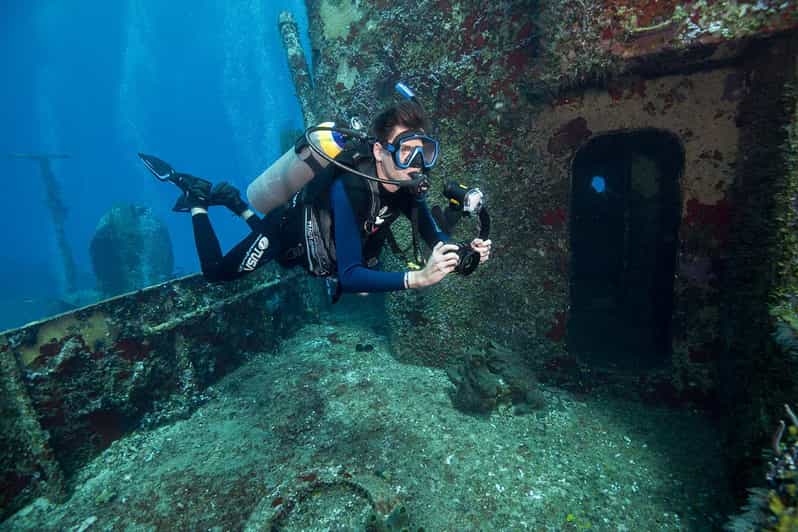
- Two sessions at different depths: wreck around 60–70 ft and reef around 30–60 ft
- Small-group guidance with an underwater guide (plus weights rental) for easier setup
- Wreck and reef options draw from lots of underwater sites (over 50 options available)
- Snacks and parking included, so the land-time is smoother
- You’ll likely see a mix of reef fish and wreck-adjacent species like parrotfish, snappers, and turtles
Two-tank wreck-and-reef in Miami Beach: why it works
This is the kind of outing that makes sense if you want variety without spending your whole day chasing the “perfect” single site. Your first underwater session focuses on a wreck in the 60–70 ft (18–21 m) range, then you shift to a reef around 30–60 ft (10–18 m). That depth change matters for enjoyment: the wreck site gives you structure and history-like visuals, while the reef zone is where you often get more fish activity and more varied “in-the-water” moments.
Miami also sits on top of a major reef system—specifically, the third-largest barrier reef in the world. So instead of treating the reef as an afterthought, this trip is built to let you spend real time in the reef depth band where you can actually observe marine life and reef features.
You can also read our reviews of more guided tours in Miami

Meeting at 13936 Collins Ave and what the timing feels like
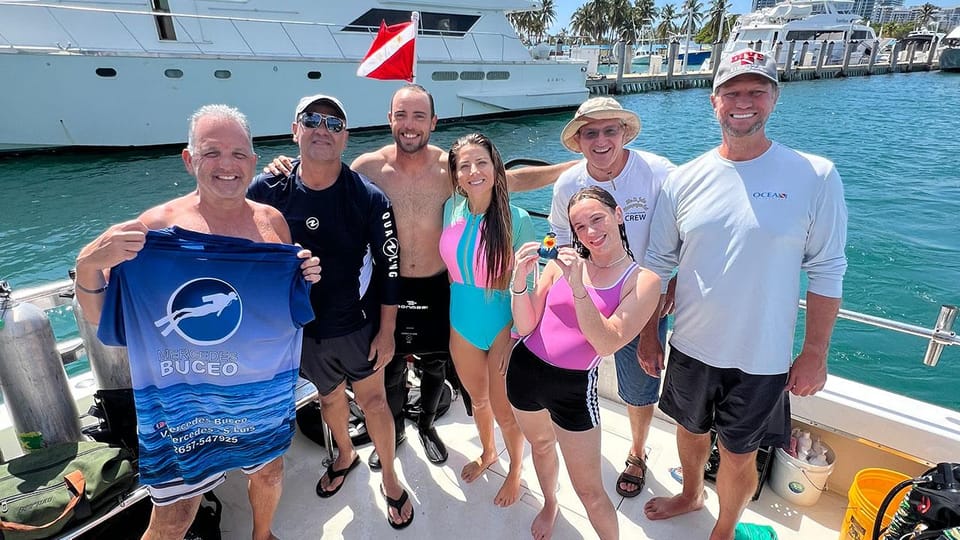
The day is organized around two main water-time blocks. You’ll meet at 13936 Collins Ave, then there’s a 45-minute water transport segment before the first session.
After that first underwater session (about 1 hour), there’s 20 minutes of transport to the next area. Then you do the second underwater session (again about 1 hour), followed by 45 minutes to return to the original meeting point.
Why you should care about this flow: it keeps the day from dragging. You get two serious underwater windows, but you’re also not stuck on the boat for the entire morning. Still, be realistic—this is a water-based trip, so you’ll spend time in transit.
Tank 1: your guided wreck session around 60–70 ft
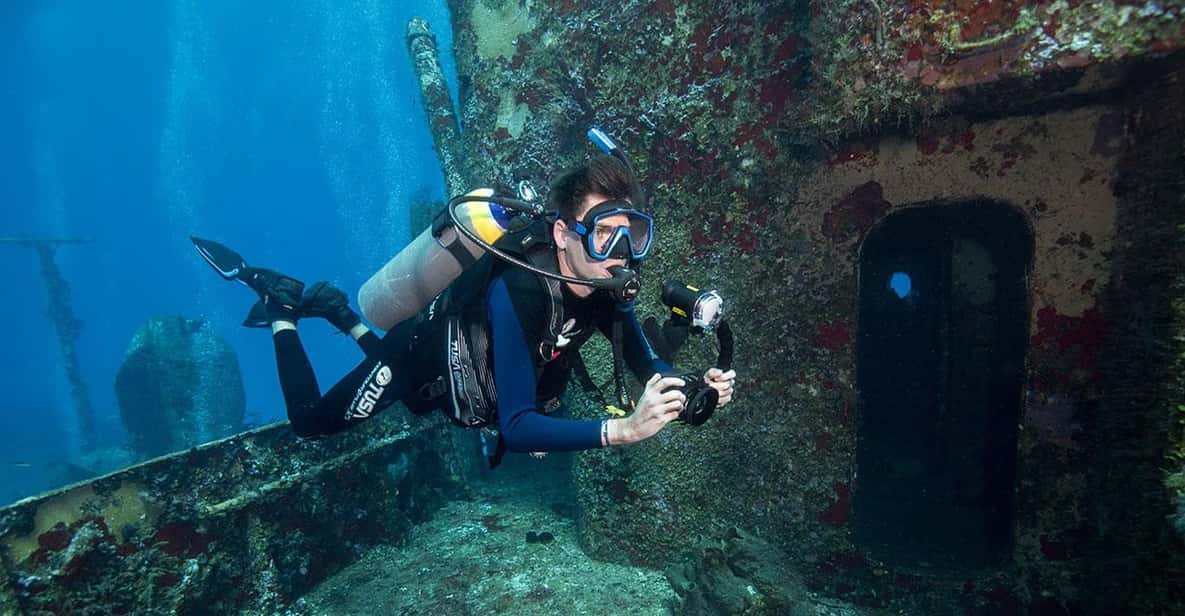
Your first underwater session is centered on a wreck around 60–70 feet. Wrecks are popular because they give you visible “things to look at” even when the fish are not everywhere at once. Expect the guide to lead you through the dive plan so you know what you’re looking for and how to move around structure safely.
At this depth band, conditions often feel cooler than the surface, and visibility can feel different depending on the day. The good news for planning: the trip description emphasizes clear, warm water and excellent visibility, which is exactly what you want when your highlights are structure and small details.
Practical upside: wreck areas often attract fish that use the structure for shelter. So even if you’re not chasing giant animals, you’re likely to get plenty of “watch this” moments as you scan for life around the wreck.
Tank 2: reef time in the 30–60 ft zone
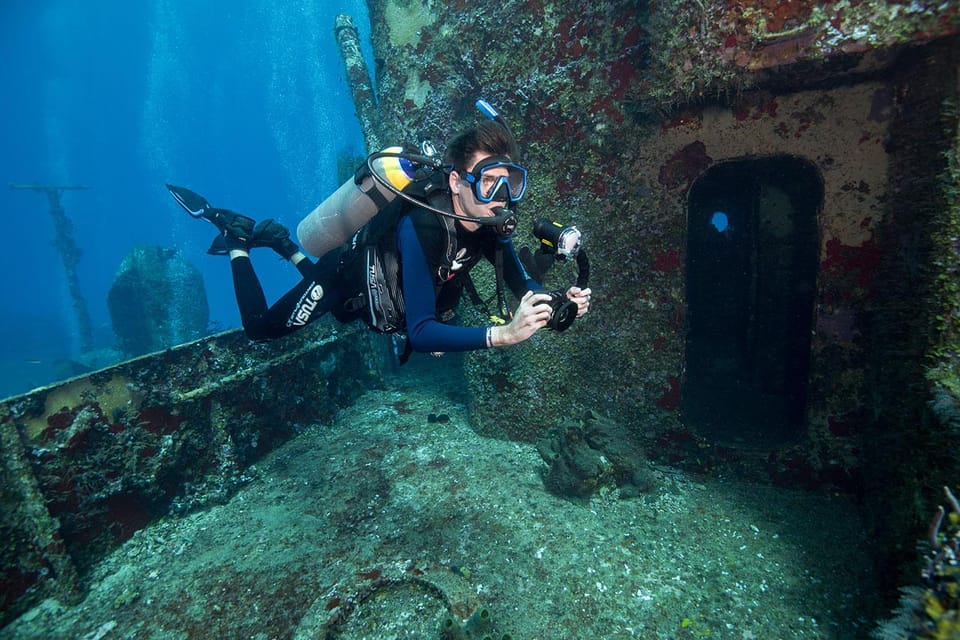
Your second session targets a reef between 30 and 60 feet. This is the depth band where reef fish behavior tends to be easier to spot—you can actually see patterns in how they hang around reef features, not just catch glimpses.
This trip also leans into variety. The operator notes that there are over 50 underwater sites they can choose from, and they offer different session types such as deeper wreck options, current-following reef routes, and reef-focused routes. On your actual day, you’ll go where the plan fits the conditions.
What you’re likely looking for here is the reef ecosystem—plus the fish list they call out for the area. If wreck structure is your “wow,” the reef is your “wow again, but different.”
Marine life: what to watch for underwater
The outing highlights a long list of creatures and fish you might see. If you’re the type who enjoys learning by observation, it helps to mentally prepare a shortlist.
Here are species mentioned for the experience:
- arrow crabs
- cleaner shrimps
- lobsters
- squid and octopus
- grunts, parrotfish, snappers
- trunkfish, boxfish, trumpetfish
- damsels, triggerfish
- moray eels
- groupers
- stingrays and turtles
You don’t need to expect all of them every time. The smart approach is to treat the list as “possible targets,” then let the guide’s route and what’s visible drive the experience. With a wreck + reef combo, you’re covering two different habitat types in one outing, which increases your chances of seeing at least several of these.




The small-group setup: why 6 people is a big deal
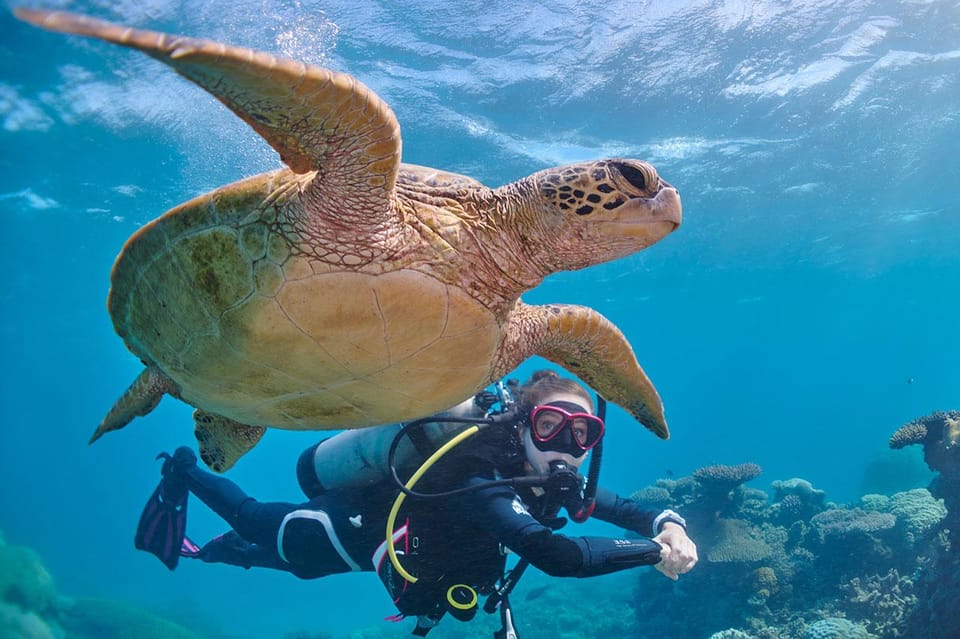
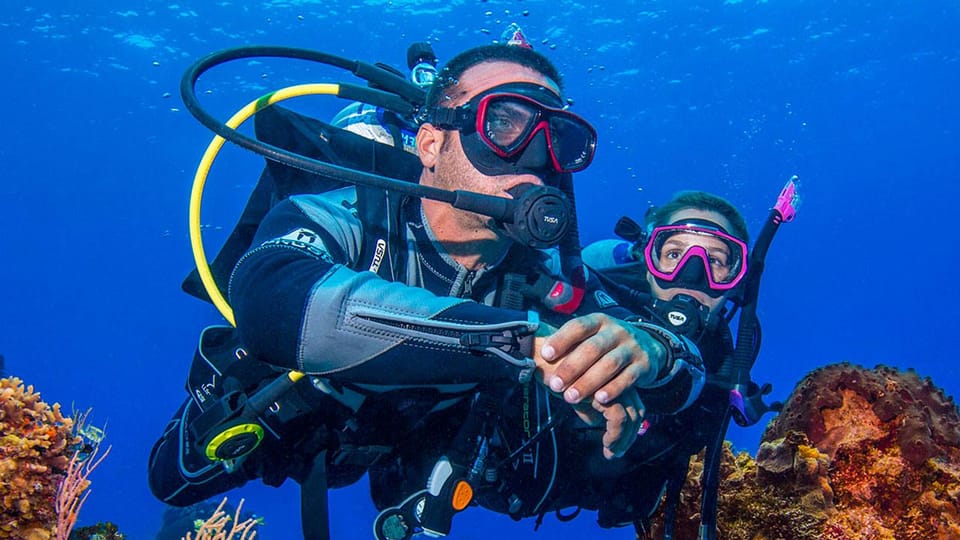
The trip is capped at 6 participants, and that changes how the morning feels. With fewer people, you get clearer instruction, easier monitoring in the water, and less waiting around.
That matters because this is a guided program with a real underwater plan: wreck session first, reef session second. When the group is small, the guide can adjust more quickly if someone needs a slower check-in, extra time with buoyancy, or a quick reminder on where to look.
And it’s not just about comfort. Small groups often help you actually enjoy the underwater moments rather than constantly thinking about logistics.
Boat ride, weights rental, and what’s included on land
On the included side, you’re getting:
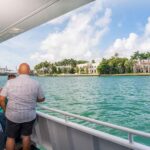
- boat trip / water transport
- weights rental
- underwater guide
- filtered water
- refreshments plus cookies and chips
- parking
That’s a practical bundle. Weights rental alone can save you the hassle of bringing gear when you’re traveling. Snacks and water also make the pre- and post-water parts easier.
What’s not included is most of the scuba gear, plus the air (or nitrox) charge. So your total cost depends on how much you already own.
Typical rental costs if you need gear
Scuba gear rental is listed separately as:
- mask: $10
- fins: $10
- regulator: $30
- BCD: $25
- wetsuit: $20
- air tanks: $26
- nitrox tanks: $36
These are per person, per trip, plus tax.
Total value: is $107 a fair price?
The base price is $107 per person for the full 4-hour experience. On its own, that covers the guided structure, boat time, weights rental, and the land-side extras like snacks and parking.
Where the value gets real is the mix of inclusions. If you don’t want to haul heavy gear, weights rental plus boat transport plus guidance can add up quickly. If you already own a mask/fins/regulator and prefer your own setup, you’ll usually be closer to the lower end of the extra costs. If you need to rent most items, the day can cost more once you add the tank price and any missing gear rentals.
A quick way to judge fit: count what you already have that matters for comfort and control. If you’ll be renting multiple items, check whether nitrox is worth it to you (the operator lists the nitrox tank cost), and compare that to the base rate.
What to bring so you’re not stuck at the last minute
The trip keeps the “bring” list simple:
- swimwear
- towel
That’s it for required items on the provided info. Still, you’ll want your scuba essentials ready. If you’re renting gear on-site, arrive with enough time to get fitted and comfortable before your first underwater session.
Also: the water is described as warm with clear visibility, but your body still gets cooler with time at depth. A towel helps you reset on the boat and at the end of the morning.
Suitability and safety basics you should take seriously
This is for certified scuba participants. You’ll need to be scuba certified and have done a scuba outing within the last 12 months.
It’s also not suitable for:
- children under 10
- pregnant women
- people with heart problems
If you fall into any of those groups, this outing isn’t the right choice based on the operator’s stated guidelines. If you’re right on the edge of “recent enough” for certification requirements, plan early—being active within that 12-month window is part of qualifying.
Who this trip is best for (and who might prefer something else)
This works well if:
- you want two underwater habitats in one morning (wreck + reef)
- you like a guided plan rather than figuring everything out yourself
- you’re comfortable with the typical depth ranges: wreck around 60–70 ft and reef around 30–60 ft
It might not be ideal if:
- you need something more flexible for your schedule (the timing is set around those two session blocks)
- you’re not active recently in scuba and don’t meet the last-12-month requirement
If you’ve done scuba before and you enjoy seeing structure plus marine life, you’ll probably like this format.
Should you book this Miami Beach two-tank wreck-and-reef trip?
I’d book it if you want a straightforward morning plan that blends wreck structure and reef life without turning it into a long, complicated day. The small-group cap of 6 people, the fact that weights rental and guide support are included, and the clear depth targets make it easy to understand what you’re buying.
If your main priority is only one perfect underwater site, you might feel the second session is less focused. But if your priority is variety—and you like having two chances to see marine life—this is a smart pick.
One last practical note: do the quick math on gear. If you already have most of your rental gear, the $107 base can feel like a strong deal. If you need to rent nearly everything, the per-trip extras can add up, so check your likely total before you lock it in.
FAQ
Where does this trip start?
You’ll meet at 13936 Collins Ave.
How long is the experience?
The total duration is listed as 4 hours.
How many people are in the group?
The small group is limited to 6 participants.
What underwater locations do you visit?
You’ll do one wreck session around 60–70 ft and one reef session around 30–60 ft.
Do I need to be certified before joining?
Yes. You’ll need to be scuba certified and have gone scuba within the last 12 months.
Is gear included in the price?
Weights rental is included, but scuba gear rental is not included (mask, fins, regulator, BCD, and wetsuit are listed as separate rentals).
How much are the tank costs?
Air tanks are listed at $26 per person per trip, and nitrox tanks are listed at $36 per person per trip.
Are children allowed?
It isn’t suitable for children under 10.
What languages does the guide speak?
The live underwater guide speaks English and Spanish.