REVIEW · MIAMI
Little Havana Walking Tour – Food Tastings, Traditions & Music
Book on Viator →Operated by Sunny Miami Tours · Bookable on Viator
Little Havana tells its story in food and music. This walking tour threads together Cuban identity, live craft, and neighborhood tradition, with stops like D’Asís Guayaberas and a hand-rolled cigar factory plus real-time local culture at Domino Park. I love how the tour treats clothing, cigars, and community gathering as the same story. I also like that the pace is built around quick stops and tastings, so you keep moving without feeling rushed. The main catch is that it depends on good weather, so plan a backup mindset if the forecast looks rough.
In my opinion, this is the kind of tour that works best when you want a guided path through a neighborhood with a lot going on. With a max of 30 travelers and an easy mobile ticket, it’s straightforward to join without a bunch of hassle. One guide name you might run into is Havana Danny, who’s been praised for being friendly and fun, and that kind of energy makes the cultural stops feel more like conversations than lectures.
In This Review
- Quick hits on this Little Havana walking tour
- Why this 2.5-hour Little Havana route feels worth $69.99
- Meeting at 1600 SW 8th St: how to start on time (and start happy)
- D’Asís Guayaberas: the guayabera as portable Cuban identity
- Inside a Little Havana cigar factory: the hand-rolling you can actually see
- Domino Park: politics, names, and dominoes played in real time
- Bay of Pigs Monument: a serious pause with names and meaning
- Party Cake Bakery: Cuban pastries and cafecito as daily social life
- Churromanía for churros: the sweet detour that works
- Ball & Chain: where music history meets the present
- Calle Ocho Walk of Fame: star power with real names
- What’s included, what’s not, and how to budget like a local
- Group size, guide quality, and why the small stuff matters
- Good weather matters: plan your backup smart
- Should you book this Little Havana walking tour?
- FAQ
- How long is the Little Havana Walking Tour?
- How much does the tour cost?
- What does the tour include?
- What is not included?
- Where do I meet for the tour?
- Is cancellation allowed and what happens if the weather is bad?
Quick hits on this Little Havana walking tour
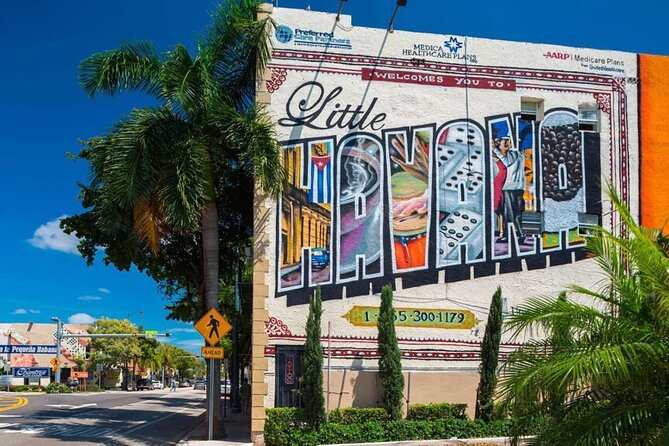
- Guayabera stop at D’Asís Guayaberas: learn how the traditional Cuban shirt signals style and heritage
- Live torcedores cigar demo: watch the hand-rolling steps from filler to wrapper
- Domino Park at street level: see Cuban exile-era community life in action, plus Maximo Gomez context
- Bay of Pigs Monument pause: a 30-minute reflection with the names of the fallen
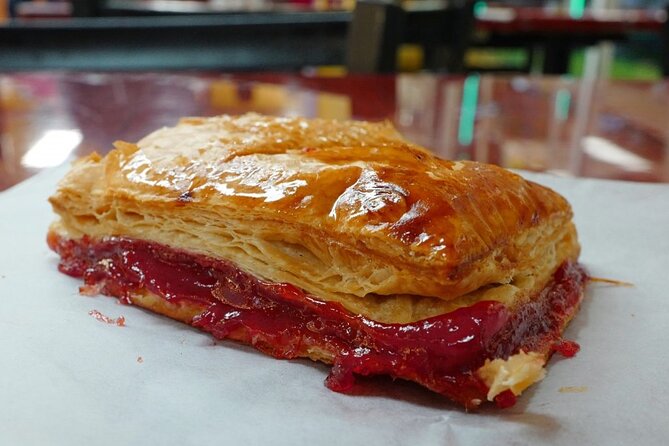
- Cuban bakery tastings: pastelitos de guayaba, croquetas, and cafecito culture
- Ball & Chain music venue stop: history from the 1930s jazz era to today’s Cuban rhythms
Why this 2.5-hour Little Havana route feels worth $69.99
At $69.99 per person for about 2 hours 30 minutes, you’re paying for more than snacks. You’re also buying time you’d otherwise spend figuring out what’s important in Little Havana, plus access to specific places tied to Cuban craftsmanship and local memory.
What makes the value click is the balance. You get fashion (guayaberas), craft (cigar rolling), community (Domino Park), remembrance (Bay of Pigs), and food (pastries, guarapo, churros), all in one logical flow. That’s the difference between a generic food crawl and a tour that helps you read the neighborhood.
You can also read our reviews of more walking tours in Miami



Meeting at 1600 SW 8th St: how to start on time (and start happy)
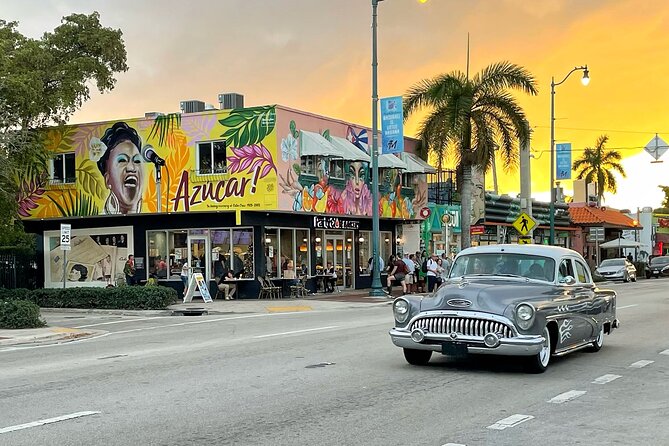
You meet at the Little Havana Visitor Center, 1600 SW 8th St and the tour ends back near the same starting point. That matters because it keeps the day simple: you don’t have to hunt for your way back after you’ve eaten your way through three or four specialties.
This is also a tour in English and it’s designed so most people can participate. Still, it’s a walking experience, so wear comfortable shoes and give yourself a little buffer for sidewalks and photo stops. Little Havana is photo-friendly, which is nice, but it’s also easy to slow down if you’re not ready for it.
D’Asís Guayaberas: the guayabera as portable Cuban identity
Your first stop is D’Asís Guayaberas, an elegant, family-run shop devoted to the classic Cuban shirt. This is more than “try on souvenirs.” You’ll learn why the guayabera carries meaning, not just style.
Here’s what you should expect to get out of the visit:
- The history of the guayabera and why it became a symbol of Latin pride and heritage
- How the garments are made with care, often using materials like linen or cotton and detailed embroidery
- A look at many styles and colors, from traditional white to newer interpretations
The practical upside is that you can interact. If you want, you can try pieces on and shop for something that actually fits your taste. If you don’t plan to buy, you can still enjoy the “why it matters” explanation and leave with a sharper sense of what you’re seeing around Little Havana.
One small consideration: shops can be a little slower than street stops. That’s fine here because you’re only there about 15 minutes, but it’s still a moment where you should keep your questions tight and your time flexible.
Inside a Little Havana cigar factory: the hand-rolling you can actually see
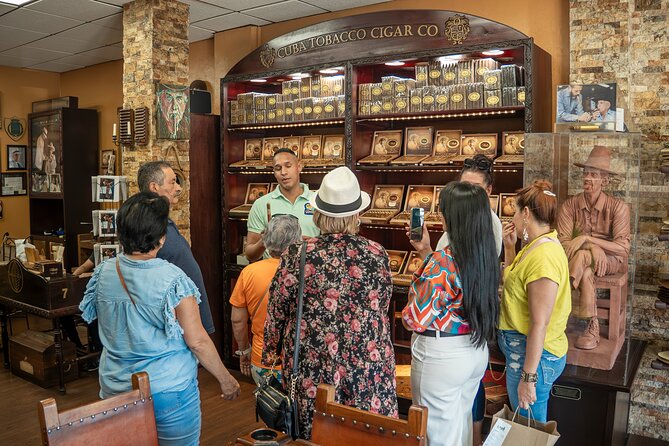
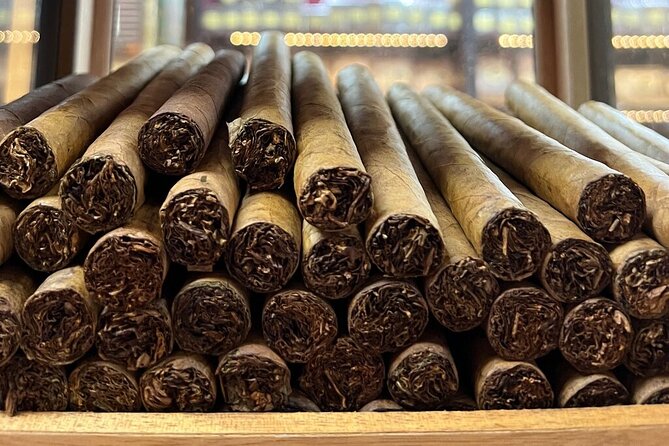
Next up is the Little Havana Cigar Factory, where the air is described as full of the earthy smell of aged tobacco. More importantly, you watch torcedores (cigar rollers) craft cigars by hand, step by step.
You’ll learn the logic of cigar construction:
- How tobacco leaves are selected
- The difference between filler, binder, and wrapper leaves
- How cigars are rolled, finished, and stored for aging
This is one of those stops where the “show” helps your brain remember the details. Instead of reading a cheat sheet, you see the process and you understand what part is doing what job.
You also get the practical option to browse hand-rolled cigars for purchase. If you’re not a cigar person, that’s still okay. You’re not required to buy anything; the value is in understanding the craft and the cultural role cigars played as tradition moved from Cuba to Miami.
Domino Park: politics, names, and dominoes played in real time
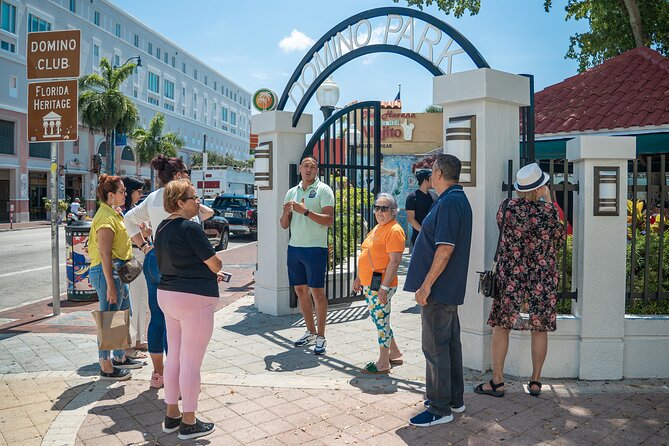
At Domino Park, you’re stepping into the heart of Little Havana’s community life. This is where people come to play dominoes, talk, debate, and carry on traditions that survived exile and adaptation.
This stop is valuable because it’s not staged in the same way a museum is. You’ll likely see locals deep in games, with conversation that runs from serious to funny. Your guide will also help you connect what you’re watching to the bigger story.
What you’ll learn while you’re there:
- The park’s history and its role in Cuban exile culture
- The namesake, Maximo Gomez, an independence hero
- A little context for why the park became such a community hub
The time here is about 15 minutes, which keeps it from dragging, but still gives you a window to look, listen, and take in the atmosphere. If you go in expecting a quiet, “look but don’t touch” experience, you’ll be surprised. Domino Park feels like a living room with strong opinions and good rhythm.
You can also read our reviews of more food & drink experiences in Miami



Bay of Pigs Monument: a serious pause with names and meaning
Then you slow down at the Bay of Pigs Monument, a tribute to the Cuban exiles tied to the 1961 Bay of Pigs invasion. This is one of the stops where the tone shifts from everyday culture to remembrance.
What your guide helps you understand:
- The story of Brigade 2506 and how it was trained and launched into Cuba in a failed but symbolic operation
- Why this moment matters emotionally and politically for the exile community in Miami
- The names of the fallen engraved on the monument
- Brief personal or community stories tied to the event
This isn’t the kind of place you rush through. The stop is about 30 minutes, which gives you time to read and absorb without your group feeling like it’s waiting around.
If you’re sensitive to political history, treat this as a “respect and reflect” moment, not an argument forum. The goal is understanding and memory.
Party Cake Bakery: Cuban pastries and cafecito as daily social life
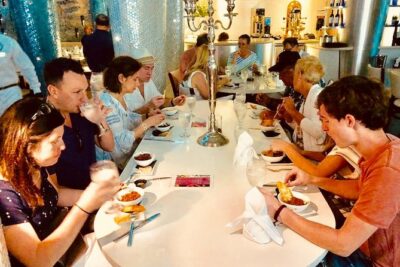
Now you get the sweet-and-savory reset at Party Cake Bakery, a long-running, family-owned spot tied closely to Cuban food culture. You’ll stop here for tastings like pastelitos de guayaba and croquetas, plus you’ll learn how bakeries function as social hubs where people pop in daily and catch up.
This is a great stop for two reasons:
- The flavors are specific, not generic “tourist desserts.”
- You’re learning the role of the bakery in daily life, not just eating treats.
You’ll also be offered coffee and/or tea, which is a smart match for pastries and keeps the tour feeling “local” instead of overly sugar-heavy. Also, the tour includes snacks Cuban pastries, so you can expect real bite-sized variety rather than one small sample.
Churromanía for churros: the sweet detour that works
Next comes Churromanía, where you can expect fresh churros with that classic contrast: crunchy outside, soft inside. This stop is about Latin street-food comfort, and it’s timed as a quick reset without breaking the rhythm of the walk.
You’ll get to choose toppings and fillings such as:
- Dulce de leche
- Nutella
- Chocolate
- Other options available on site
If you like your desserts customizable, this is your moment. If you’d rather keep things lighter, you can still enjoy the smell and watch the fresh churro process without over-ordering. Either way, the stop lasts about 20 minutes, so you stay in the food loop but don’t drift into a long break.
Ball & Chain: where music history meets the present
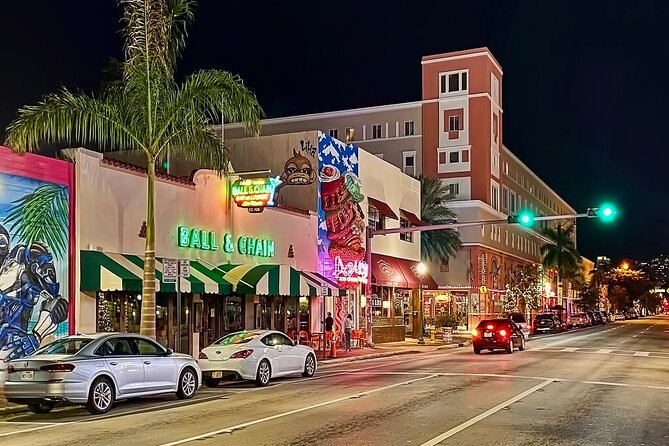
After food, you head to Ball & Chain, one of Little Havana’s most iconic nightlife and music venues. The venue’s history stretches back to the 1930s, when it hosted jazz greats like Billie Holiday, Chet Baker, and Count Basie.
You’ll hear how the club has been restored and revived as a cultural hotspot. On the day you go, you’ll likely catch live Cuban rhythms or salsa, often either outdoors in the patio or indoors on the main stage area.
Here’s the practical angle: the tour mentions you can optionally sip a Cuban cocktail like a mojito or daiquiri, but drinks aren’t included unless they’re part of the tour setup. If you want alcohol, bring extra cash and expect to pay there.
Even if you don’t order anything, this stop helps the whole day click. You’ve already seen craft and community; now you get the sound and energy that grew from the same neighborhood roots.
Calle Ocho Walk of Fame: star power with real names
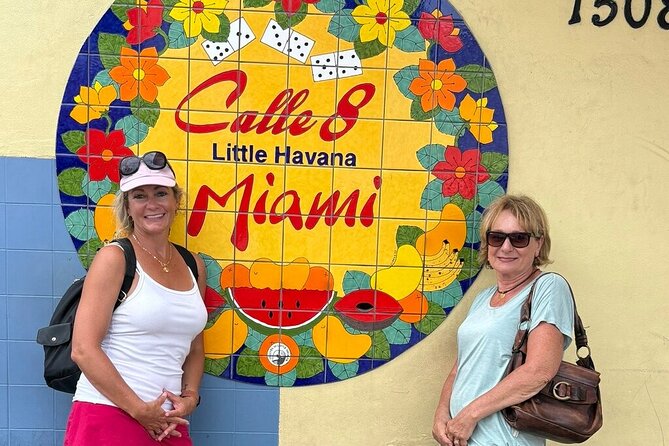
Your last major stop is a walk along iconic Calle Ocho, including the Calle Ocho Walk of Fame. This area is inspired by Hollywood’s version, but it’s focused on Latino figures tied to music, film, and culture.
You’ll see stars embedded in the sidewalk honoring names like:
- Celia Cruz
- Gloria Estefan
- Julio Iglesias
- And more
Your guide will share brief stories about several inductees and their connection to the culture of Calle Ocho, which makes the photos more meaningful. This is also a fun stretch because you can point, chat, and take pictures without it feeling like a museum line.
Plan for about 40 minutes here. It’s long enough to enjoy the street energy, and short enough that you still finish with momentum.
What’s included, what’s not, and how to budget like a local
The tour includes:
- Coffee and/or tea
- Snacks Cuban pastries
- Soda/pop guarapera (guarapo)
That inclusion matters because Cuban bakeries and sweet stops can add up fast if you’re paying for everything yourself. The included items help keep your cost predictable, especially with food stops spaced across the route.
Not included:
- Gratuities/tips (cash is recommended)
- Alcoholic beverages like mojitos
So my practical advice is simple: bring some cash for tips, and decide ahead of time if you want a cocktail at Ball & Chain. If you do, treat it as an optional splurge, not a surprise expense.
Group size, guide quality, and why the small stuff matters
This tour has a maximum of 30 travelers, which is a good sign for a walking day. Big groups can turn cultural stops into a shuffle. Here, the size limit makes it easier for your guide to keep things moving while still offering context.
And guide quality matters because a neighborhood tour is really a storytelling job. One guide name linked to great feedback is Havana Danny, praised for being knowledgeable, friendly, and fun. Even if you don’t get him, the format relies on a lively guide who can connect each stop to the next.
Good weather matters: plan your backup smart
This experience requires good weather. That’s a real factor in Miami because one downpour can make sidewalks slick and comfortable walking hard.
If you’re booking close to your trip dates, I’d choose shoes that can handle wet pavement and bring a small umbrella or rain shell. It’s also worth having one flexible idea for the rest of your day in case the tour shifts due to weather.
Should you book this Little Havana walking tour?
Book it if you want a guided introduction to Little Havana that blends craft, culture, and food in a way that feels connected rather than random. It’s a strong fit for first-timers who want to understand what makes the neighborhood tick, especially if you care about the meaning behind things like guayaberas, cigar rolling, and community spaces like Domino Park.
Skip it (or consider a different option) if you’re only after a light snack-and-photo walk, or if you hate walking through stops that include serious historical context. Also, if rain ruins your plans, go in with a backup mindset since this one needs good weather.
If you’re on the fence, this is the kind of tour where the cost feels fair because you get multiple planned experiences plus included tastings. For $69.99, you’re not paying just for convenience. You’re paying to better understand what you’re seeing.
FAQ
How long is the Little Havana Walking Tour?
It runs for about 2 hours 30 minutes.
How much does the tour cost?
The price is $69.99 per person.
What does the tour include?
It includes coffee and/or tea, snacks like Cuban pastries, and soda/pop (guarapo).
What is not included?
Gratuities/tips are not included, and alcoholic beverages (like mojitos) are not included.
Where do I meet for the tour?
You meet at the Little Havana Visitor Center, 1600 SW 8th St, Miami, FL 33135, and the tour ends back at the meeting point.
Is cancellation allowed and what happens if the weather is bad?
You can cancel for free up to 24 hours in advance for a full refund. The experience requires good weather, and if it’s canceled due to poor weather you’ll be offered a different date or a full refund.