REVIEW · CHOKOLOSKEE FLORIDA
Everglades: Birding, Wildlife, and Photography Expedition
Book on GetYourGuide →Operated by Everglades Area Tours · Bookable on GetYourGuide
Everglades birds make the trip feel personal. On a small boat built for tripods and long lenses, you’ll glide through the Everglades’ 10,000-island ecosystem with a Florida-certified Master Naturalist who helps you spot wildlife and understand what you’re seeing.
Two things I really like about this expedition are the photo setup (a large, stable platform with room for gear) and the way the guide turns sightings into real learning, from birds to mangroves and local natural history. One thing to consider: if you’re sensitive to heat and glare, June through October is better in the morning, since the weather can be demanding later in the day.
In This Review
- Key points worth knowing before you go
- First, Know What This Everglades Tour Is Really About
- Boat Time From Chokoloskee: The 10,000-Island Ecosystem on a Photo-Friendly Platform
- What you might see during the boat segment
- The Barrier Island Walk: Why Stepping Off the Boat Changes Everything
- A practical tip: plan for a photo-and-mindset shift
- Your Guide Matters: Florida Master Naturalist Interpretations That Improve Photos
- Wildlife Targets and Photography Priorities That Make the Time Count
- Birds: what to focus on
- Marine wildlife: dolphins, manatees, sea turtles
- A lens reality check
- Weather and Timing: When June–October Morning Tours Are a Smart Choice
- What the $172 Price Really Buys You (and When It’s Worth It)
- Who This Everglades Expedition Fits Best
- Booking Decision: Should You Book This Tour?
- FAQ
- How long is the Everglades birding and photo expedition?
- How many people are on the boat?
- What’s included, and is food provided?
- Where do I meet the tour?
- What wildlife might I see during the trip?
- When is the best time of day to go?
Key points worth knowing before you go
- Small-group boat experience capped at 6 passengers, so you can actually focus on wildlife and photos.
- Tripods and large telephoto lenses are accommodated thanks to the boat’s stability and onboard space.
- Two-part adventure: boat time through the 10,000 islands, then a walk on an uninhabited barrier island.
- Your guide is a Florida Master Naturalist (certified and licensed) who can ID plants and explain behavior, not just point.
- Target species are clear and varied, from roseate spoonbills and osprey to dolphins, manatees, and sea turtles.
- Morning tours are a smart choice in June–October, when conditions tend to be more comfortable early.
First, Know What This Everglades Tour Is Really About
This isn’t a sit-and-watch boat ride. It’s a guided wildlife and photography outing designed around one big idea: you’ll see more when you know what to look for, and you’ll photograph better when the boat is stable and your equipment fits.
You’ll spend about 210 minutes total, split between cruising the Everglades’ island maze and stepping onto an uninhabited barrier island for a short walk. That combo matters. From the water, you get sweeping views and bird activity near the shoreline. On land, you get closer angles and quieter moments that can help you capture natural behavior.
Boat Time From Chokoloskee: The 10,000-Island Ecosystem on a Photo-Friendly Platform
Your trip starts from Parkway Marina in Chokoloskee (1180 Chokoloskee Dr, Florida). After parking on the right side of the lot and meeting the captain down by the docks, you’ll board about five minutes before departure. Arrive 10–15 minutes early so you’re not stressed about parking or restrooms.
Once underway, the boat segment is all about moving through the Everglades National Park ecosystem of “10,000 islands.” That phrasing sounds poetic, but the practical meaning is simple: lots of narrow waterways, shallow-looking edges, and wildlife that uses the margins. The boat experience is where you’ll get the best shot at birds in flight and in shallow feeding zones.
The boat is also a big deal for photographers. It’s described as large and stable, with comfortable seating and enough space for a tripod and big telephoto lenses. That means you’re not trying to hold a heavy camera steady with two shaky hands while the boat bounces. If you shoot birds, that setup is the difference between sharp results and “almost.”
What you might see during the boat segment
Your guide will be on the lookout for birds and other animals, and the list includes species that are recognizable even if you’re new to Florida birding. Expect possibilities like:
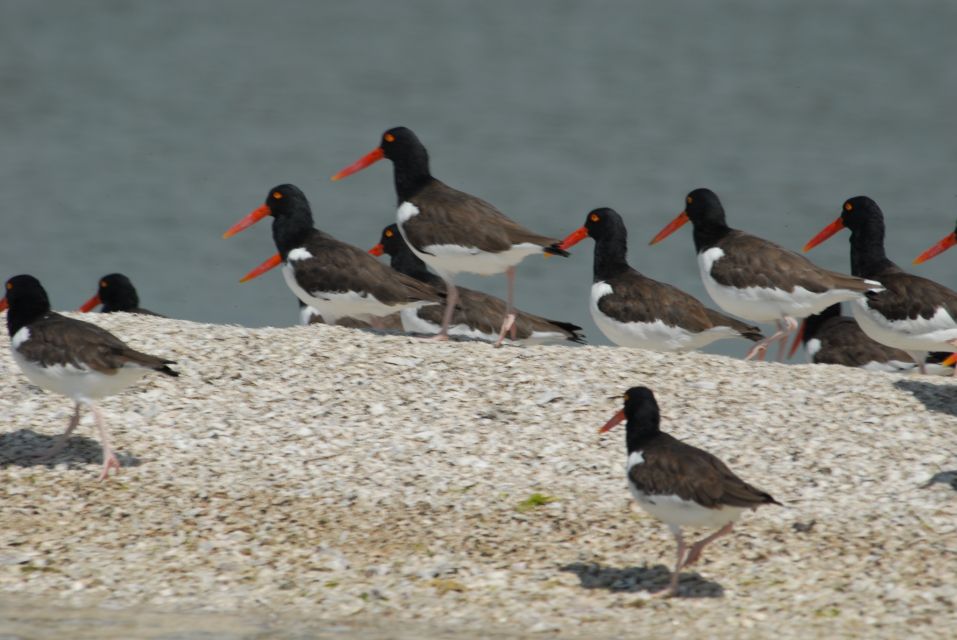
- Roseate spoonbills, osprey, ibis, and great blue herons
- Tri-color herons, snowy egrets, shore birds, and bald eagles
- Plus saltwater creatures such as dolphins, sea turtles, and manatees
Sightings aren’t guaranteed, of course. But the tour is built around high-probability wildlife zones and a guide who actively searches rather than just narrates from a fixed route.
The Barrier Island Walk: Why Stepping Off the Boat Changes Everything
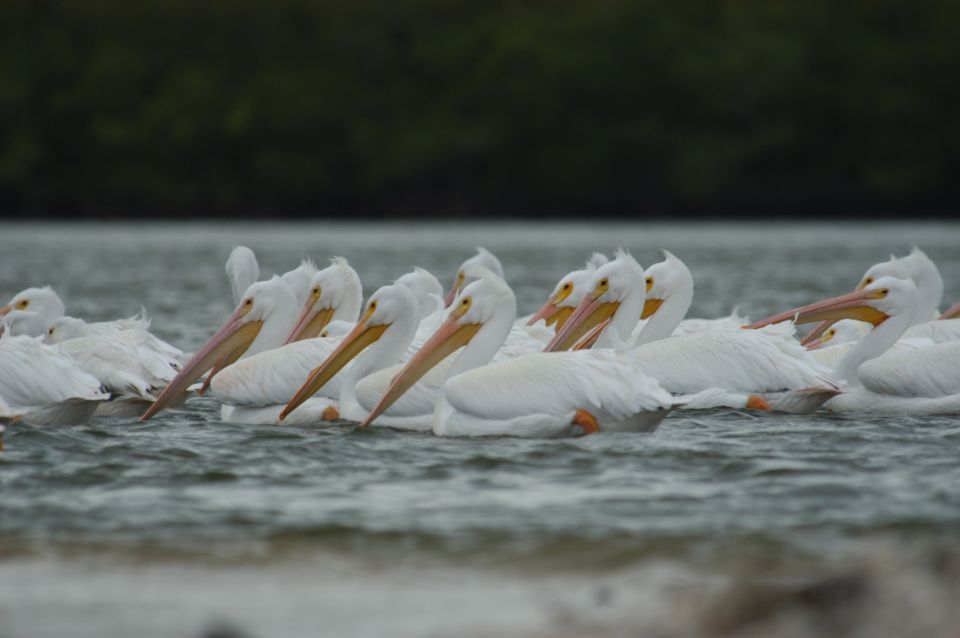
After the boat portion, the captain docks and you switch modes. You’ll step onto an uninhabited barrier island for a walk. Even a short stretch of land can change your photos and your bird sightings, because it puts you closer to feeding behavior and gives you different sightlines than you have from the water.
This is also where your guide’s job becomes especially hands-on. Your Florida-certified Master Naturalist guides a walk and helps you discover more photo opportunities. In practice, that often means pointing out what’s right in front of you: feeding areas, perching spots, and bird “patterns” that make sense once you know the habitat.
Barrier islands also help you slow down. On the water, you’re traveling and scanning. On land, you can pause, let birds move on their own schedule, and capture moments without rushing to keep up with the boat.
A practical tip: plan for a photo-and-mindset shift
On the walk, you’ll likely want to:
- Keep a camera ready at all times rather than digging through gear
- Pay attention to where your guide tells you birds are likely to be
- Be ready to switch from long-lens framing to tighter compositions
Even if you’re mainly a wildlife photographer, this part is worth it for the “what’s happening here” learning. The more you understand the habitat, the easier it becomes to predict movement.
Your Guide Matters: Florida Master Naturalist Interpretations That Improve Photos
The expedition is led by a Florida Master Naturalist who’s certified and licensed (including US Coast Guard licensing). That’s not a small detail. In birding, the guide’s value is measured in what you learn in real time: what species to watch, how behavior works, and what you’re seeing in the ecosystem.
The experience is often described as relaxed and respectful of nature, with guides who share a real love for the surroundings. Names that have shown up in the tour’s guide team include Dan and Don (Captain Dan), plus guides like Seth and Eddie. While you can’t pick your exact guide, the pattern from past experiences is clear: the human element is part of the “why this tour works.”
You’ll also hear explanations tied to local plants and habitat, not just a list of animals. That matters because birds don’t show up randomly. They respond to water, food sources, nesting or resting behavior, and sheltered areas like mangroves and coastal edges.
If you’ve ever left a wildlife trip thinking you saw great things but didn’t understand them, this is designed to fix that.
Wildlife Targets and Photography Priorities That Make the Time Count
If you’re bringing a camera, treat this like a structured shoot, not a random search. The tour’s mission is to find animals and keep you in position long enough to photograph them well.
Birds: what to focus on
The tour highlights birds commonly seen in the Everglades region, including herons, egrets, spoonbills, osprey, and shore birds. These groups can be photographed in multiple ways:
- Action shots: when birds lift off, stalk prey, or rearrange nesting material
- Perch portraits: when birds pause and allow longer shutter speeds
- Water-edge feeding moments: often best when the boat or walk slows down and the guide adjusts pacing
Some wildlife moments you’ll likely build around include osprey activity, heron fishing behavior, and spoonbill feeding patterns. The guide will hunt across species, so you’re not stuck waiting for one thing.
Marine wildlife: dolphins, manatees, sea turtles
Dolphins can show up as playful breakouts around the boat. Manatees and sea turtles are more situational, so your best strategy is to stay ready and keep your attention wide—then let the guide’s spotting ability guide the moment when you zoom in.
A stable boat also helps here. Even when the animal is farther away, stability reduces the “micro-wobble” that makes telephoto shots frustrating.
A lens reality check
If your plan is serious bird photography, a long telephoto lens is the right tool. The tour is explicitly set up to support large lenses, which tells you the operator expects people to shoot birds at a distance. Bring what you’d normally use for wildlife—this isn’t the place for a kit lens and hope.
Weather and Timing: When June–October Morning Tours Are a Smart Choice
This is a boat-and-walk tour, so weather is part of the deal. The guidance here is clear: from June through October, morning experiences are suggested due to weather.
That recommendation is practical. Early hours tend to be easier for heat and glare, and you’ll likely feel more comfortable staying alert for birds. If you go later in the day during that window, you can still have a great trip, but you should assume conditions will be tougher—especially if you’re carrying gear and standing for the walk.
For your packing list, think sun and sweat:
- Dress for the weather
- Bring sun protection
- Keep water in your planning even though food and beverages aren’t included (you don’t have that option on the tour)
What the $172 Price Really Buys You (and When It’s Worth It)
At $172 per person for 210 minutes, this isn’t a bargain, and it’s not a luxury “watch from afar” outing either. It sits in the middle where you’re paying for three things that matter:
- Guided expertise from a Florida Master Naturalist
You’re not just paying for movement. You’re paying for identification, habitat interpretation, and real-time help choosing what to photograph.
- A small group size
Limited to 6 passengers, you’ll typically get better viewing angles and more individualized attention when the guide is adjusting the pace for wildlife.
- A boat designed for tripods and long lenses
This is the most practical “value” factor for photographers. If your gear is heavy and you want sharp images, stability is worth real money.
One tradeoff: food and beverages aren’t included. So you’ll either plan snacks and drinks on your own schedule or accept that you’ll be focused on wildlife rather than a meal break.
If birding and wildlife photography are your top priorities, the pricing makes sense because the structure is built for your goals. If you want a general sightseeing cruise only, you might feel the cost more than the benefit.
Who This Everglades Expedition Fits Best
This tour is a strong fit for:
- Bird photographers who want a stable shooting platform
- People who like learning habitat basics while they’re out looking for wildlife
- Travelers who prefer small groups and hands-on guidance rather than crowd pacing
- Anyone who wants a mix of boat time and a short walk on an uninhabited island
It may feel less ideal if:
- You need food and drink provided to make a long outing comfortable
- You hate carrying camera gear for a couple of hours
- You’re not interested in wildlife specifics and just want a casual cruise
The upside is that even if you’re not a hardcore birder, you’ll still come away with better understanding of what’s happening in the ecosystem.
Booking Decision: Should You Book This Tour?
I’d book it if you want a photo-focused Everglades experience with real interpretation and a small-group setup that respects wildlife. The combination of a stable, tripod-friendly boat plus a barrier-island walk gives you variety in where you look and how you shoot. And the guide’s Master Naturalist role means you’re likely to leave with more than just a camera full of images.
I’d think twice if food matters to you, or if you’re going in the hot season and aren’t excited about morning timing. In June–October, choose the morning session when offered, pack sun protection, and bring your long lens if bird photography is the reason you’re here.
FAQ
How long is the Everglades birding and photo expedition?
The tour lasts 210 minutes, about 3.5 hours total.
How many people are on the boat?
The group is limited to 6 participants.
What’s included, and is food provided?
The tour includes a Florida Master Naturalist guide (certified and licensed) and information about the local wildlife and flora. Food and beverages are not included.
Where do I meet the tour?
Meet at Parkway Marina at 1180 Chokoloskee Dr, Chokoloskee, FL 34138. Parking is on the right-hand side, and you should meet the captain down by the docks.
What wildlife might I see during the trip?
The guide looks for birds such as roseate spoonbills, osprey, ibis, great blue herons, tri-color herons, snowy egrets, shore birds, and bald eagles. You may also encounter dolphins, sea turtles, and manatees.
When is the best time of day to go?
For June through October, morning experiences are suggested due to weather.
If you want, tell me your travel month and what camera gear you’re bringing (phone, APS-C, full frame, lens length). I can help you plan what to pack for the best shots.