REVIEW · MIAMI
Cigar Factory Tour in Little Havana, Miami
Book on Viator →Operated by Casa Habano · Bookable on Viator
Cigar making starts with your senses. At Casa Habano in Miami’s Little Havana, you begin with Cafe Cubano and move through the real steps behind premium cigar production. It’s part history lesson, part workshop tour, and part show of patient craft.
I love how the tour goes beyond vague talk and shows the process in order. You get to handle and smell different tobacco leaves, then watch master rollers work in the GALERA, with an explanation of what each stage changes.
One possible drawback: this experience isn’t a great fit if you have allergies, since tobacco and the factory environment aren’t a controlled, fragrance-free setting.
In This Review
- Key points worth your time
- Finding Casa Habano in Little Havana (and what to expect inside)
- The first stop: Cafe Cubano, a history primer, then leaf prep on video
- The real star: the GALERA and the four stages of making cigars
- Primary process: sorting tobacco and learning aging by feel
- Deveining: why removing the center vein is a big deal
- Twisting & rolling: three steps that turn leaf into a cigar
- Packing: label, package, and the last aging step
- What makes this tour feel authentic (René’s approach and the pace)
- Price and value: why $35 works if you want more than a quick demo
- How to get the most out of your visit
- Who this tour fits best (and who should rethink it)
- Should you book the Cigar Factory Tour at Casa Habano?
- FAQ
- Where does the tour start?
- How long is the Cigar Factory Tour in Little Havana?
- What does the ticket price include?
- Do I get a cigar to take home?
- Is this tour offered in English?
- How big are the groups?
- Is it recommended for people with allergies?
- What is the cancellation policy?
Key points worth your time
- Cafe Cubano and pastries: you start with a proper Cuban coffee and snacks, not just a quick sip
- A clear step-by-step cigar-making flow: from leaf prep to rolling to packing
- You see the GALERA in action: primary processing, deveining, twisting/rolling, then packaging
- Tobacco leaf touch and smell: it helps you understand why the craft matters
- René’s storytelling: you get context for how cigar rolling became a Florida industry
- One complimentary cigar to take home: a satisfying end to a practical tour
Finding Casa Habano in Little Havana (and what to expect inside)
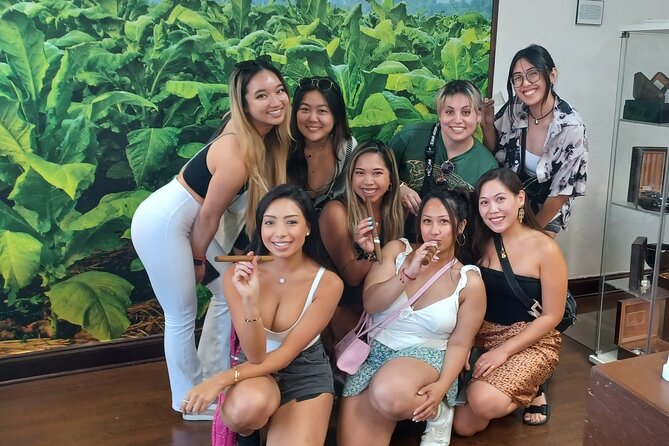
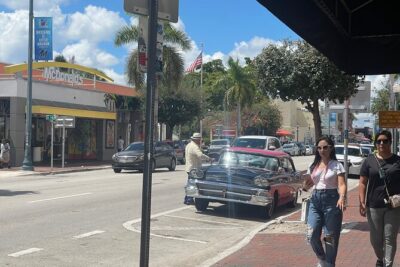
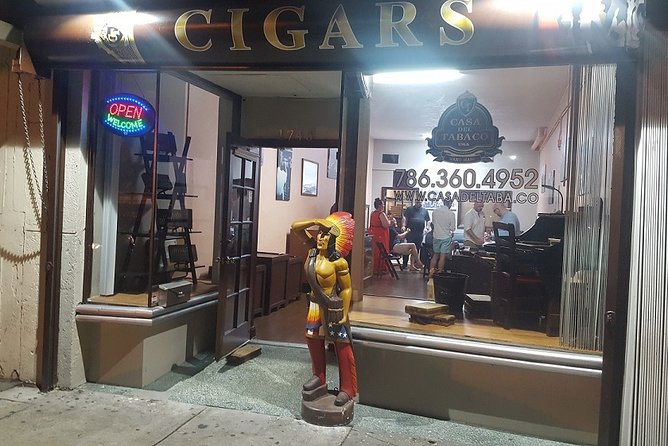
Casa Habano is on SW 8th St, right in the orbit of Little Havana life. The meeting point is at 1743 SW 8th St, Miami, FL 33135, and the tour ends back there, so it stays easy to plan around your day.
This is not a staged theme-park attraction. You’re walking into a real working space, which some people love and others find a bit more “factory” than “museum.” With a max group size of 10 travelers, it also stays personal enough to ask real questions and actually see what’s happening.
For footwear, wear closed shoes. The tour description is blunt about it, and you’ll feel better if your feet are protected while you move around the work area.
You can also read our reviews of more tours and experiences in Miami.



The first stop: Cafe Cubano, a history primer, then leaf prep on video
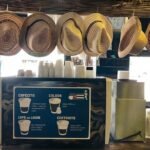
The tour starts the moment you step in. You’re greeted with traditional Cuban coffee, Cafe Cubano, and that matters more than it sounds. Coffee sets the tone and gets you into the sensory side of the craft—before you ever see tobacco up close.
Next comes a video walk-through of the tobacco journey: seeding, germination, planting, curing, fermenting, and sorting of tobacco leaves before they’re shipped to factories. It’s a smart way to set the big picture before you see only the manufacturing end.
Then you get the Florida story. You’ll hear how commercial cigar rolling in Florida traces back to small-scale operations by Cuban immigrants in the 1830s, and how it grew into Florida’s reputation as a cigar capital, with pioneering names like Vicente Martínez Ybor and Eduardo Manrara. Even if you don’t care about history, this portion helps you understand why the local cigar tradition took root where it did.
The real star: the GALERA and the four stages of making cigars
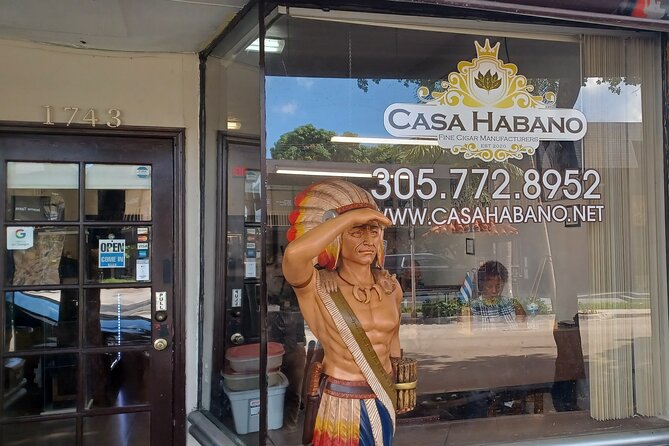
After the intro, you head into the manufacturing space called the GALERA. This is where the tour shifts from learning to watching the process with your own eyes. And because the group is small, you can usually see what’s happening without constantly craning your neck.
You’ll move through four key stages of production.
Primary process: sorting tobacco and learning aging by feel
First is the PRIMARY PROCESS. This is where you see the variety of tobacco types and how sorting fits into the quality story. You learn how tobaccos are separated and prepared, including the role of aging in developing the leaf.
If you’ve ever wondered why cigars taste the way they do, this part is the foundation. It’s not magic; it’s handling, selection, and time.
Deveining: why removing the center vein is a big deal
Next is DEVEEINING, the removal of the center vein. This sounds like a small step, but the tour explains it as critical for proper cigar preparation. Think of it like removing a structural element so the leaf behaves the way it should during rolling.
Even if you don’t smoke cigars often, you’ll likely appreciate this because it shows how precision starts with preparation, not the final roll.



Twisting & rolling: three steps that turn leaf into a cigar
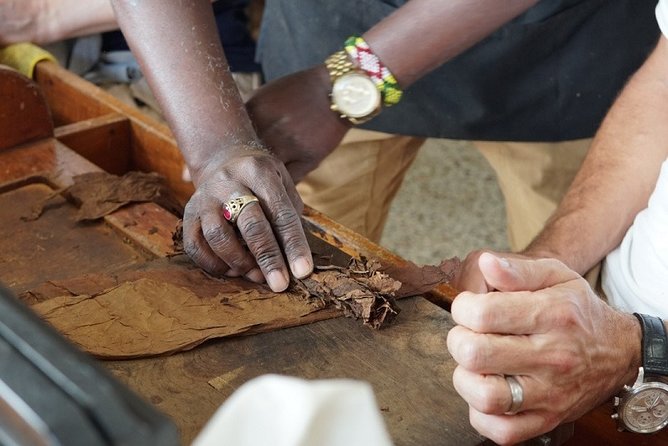
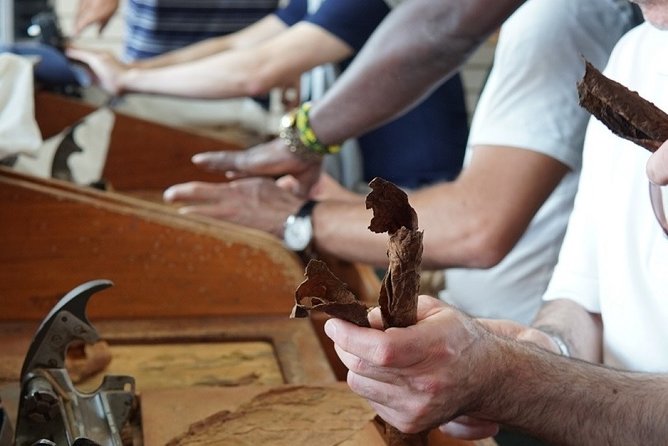
Then comes TWISTING & ROLLING, described as a three-step process. You’ll watch master torcedores twist, bind, press, and roll the premium cigars.
What I like here is how you can connect the dots. The tour doesn’t treat rolling as a single moment. It frames it as construction: adjust, shape, press, then finish the roll so the cigar holds together and smokes properly.
Packing: label, package, and the last aging step
Finally is PACKING. Once cigars are rolled, they undergo further aging before they’re labeled and packaged for distribution. This ending step matters because it reinforces one idea: good cigars aren’t just made on the spot. They’re built over time.
What makes this tour feel authentic (René’s approach and the pace)
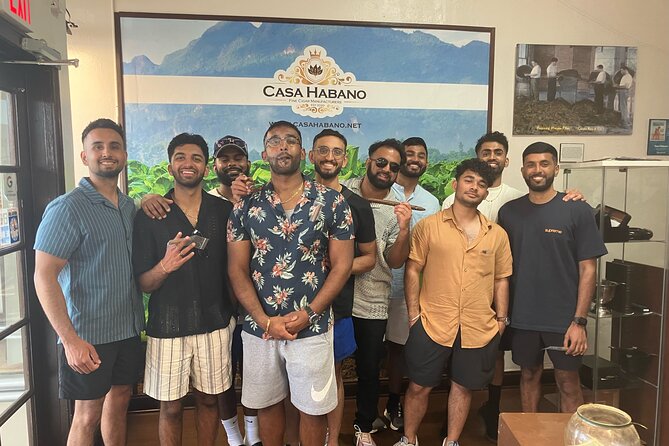
René—who leads the tour—brings serious energy to the craft without turning it into a lecture. The best part is the balance: you get history context, but you also get practical explanations of how the process works in real terms.
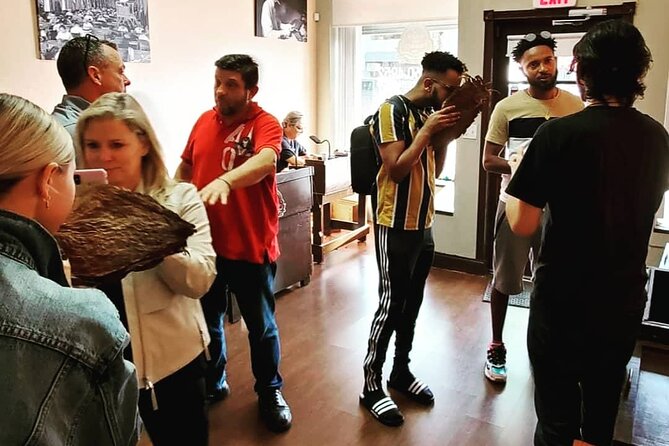
The tour also leans into sensory learning. You’re invited to enjoy complimentary items like Cuban coffee, pastries, and snacks, and you also get hands-on opportunities with the product. People often talk about the look of tobacco leaves, but this tour puts equal weight on the feel and smell of different leaves. That’s the kind of detail you remember later when you see cigars on a shelf.
The pace is about right for a 1-hour experience. It’s long enough to cover the flow from leaf to roll to take-home cigar, but short enough that you won’t feel stuck halfway through.
Price and value: why $35 works if you want more than a quick demo
At $35 per person, this is priced like an educational small-group tour, not like a high-end cigar tasting event. And in this case, the value comes from two things you actually get:
- You see the making steps in order, including the behind-the-scenes parts like sorting and deveining.
- You receive one complimentary cigar at the end, plus coffee, pastries, and snacks along the way.
If you’re curious about cigar craft, that take-home cigar is more than a souvenir. It closes the loop between what you saw and what you can taste later.
Also, the small group size (max 10) helps the value. In bigger tours, you might only catch half the process. Here, you’re close enough to ask questions and watch the hand work.
If you’re purely looking for a casual stroll through Little Havana with a token photo opportunity, you might find the factory focus a little intense. But if you want a real step-by-step explanation, the price feels fair.
How to get the most out of your visit
A cigar factory tour can either click or feel slow, depending on how you show up. Here’s what I’d do if you’re aiming for the best experience.
Come hungry in a good way. You’ll have coffee plus pastries and snacks included, but factory tours move fast, and you don’t want your energy tanking mid-tour.
Ask at least one process question. The tour is set up for discussion—sorting, aging, how the leaf changes through preparation, and why rolling steps matter. If you ask one question early, the rest of the tour usually gets easier to follow.
Be open to learning even if you don’t smoke. The tour is built around the craft and culture. Plenty of people come without cigar habits and still leave with a better sense of why the product is treated like art.
Wear closed shoes. It’s a simple rule, and you’ll appreciate it once you’re moving around the space.
Who this tour fits best (and who should rethink it)
This one fits best if you like craft work, food-and-history combos, and getting close to how a product is actually made. It’s also a good match for couples and families who can handle a factory environment for about an hour.
It’s also a solid choice if you want a Miami activity that isn’t just walking and photos. You get something practical: a clear story from tobacco growing through fermentation and manufacturing.
Two quick “think twice” points:
- If you have allergies, this isn’t recommended. Tobacco and a working shop setting can be an issue.
- The tour is described as adults preferred, so if you’re traveling with kids, you may want to judge whether they’ll enjoy the manufacturing focus for a full hour.
Should you book the Cigar Factory Tour at Casa Habano?
If you want a short, high-value experience in Little Havana, I’d say book it—especially if you’re curious about how cigars are made beyond marketing slogans. The combo of Cafe Cubano, pastries and snacks, a step-by-step walk through the GALERA stages, and a cigar to take home makes it feel complete for the time and money.
Skip it only if you’re strongly sensitive to allergens or you’re hoping for a polished, luxury tasting lounge vibe. This is a real shop with real work happening, led by René, and that’s exactly why it’s memorable.
FAQ
Where does the tour start?
The tour starts at 1743 SW 8th St, Miami, FL 33135, USA, and it ends back at the same meeting point.
How long is the Cigar Factory Tour in Little Havana?
The tour lasts about 1 hour.
What does the ticket price include?
The price is $35.00 per person and includes the tour, Cafe Cubano, pastries and snacks, and a complimentary cigar at the end.
Do I get a cigar to take home?
Yes. The tour includes one complimentary cigar for each guest at the end.
Is this tour offered in English?
Yes, the tour is offered in English.
How big are the groups?
The tour has a maximum of 10 travelers.
Is it recommended for people with allergies?
No. It’s not recommended for travelers with allergies.
What is the cancellation policy?
You can cancel for a full refund up to 24 hours in advance of the experience start time. If you cancel less than 24 hours before, the amount paid is not refunded.